

Polka Dot Printed Fabric
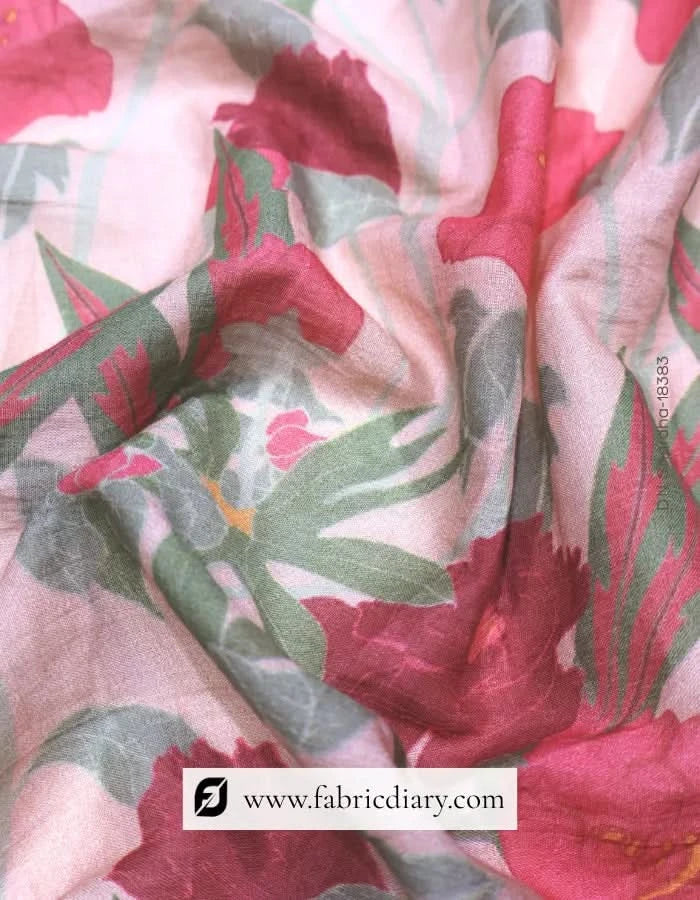
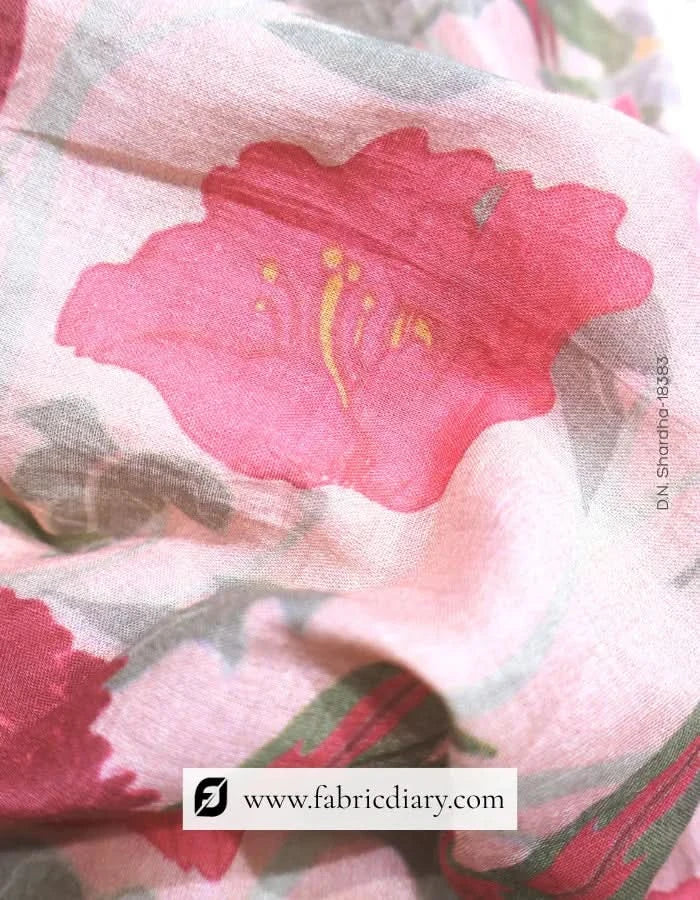
Digital Printed Apparel Cotton Fabric for Women's Clothing


Ancient Motif Poly Linen Cotton Fabric [Men’s Shirt Use] SPAO-7750-19514


Floral Poly Linen Cotton Fabric [Women’s Dress & Kurti] SPAO-7750-19513


Abstract Poly Linen Cotton Print Fabric [Multi-Use Bulk] SPAO-7750-19515


Small Motif Poly Linen Fabric [Shirtwear & Kurta Ready] SPAO-7750-2601 (3)


Geometric Poly Linen Cotton Fabric [Shirts & Dresses Use] SPAO-7750-19516


Fine Cotton Fabric for Tailoring, Sewing & Fashion Design


Paint Floral Linen Cotton Fabric [Festive Dress Material] SPAO-7750-18008
- Featured
- Most relevant
- Best selling
- Alphabetically, A-Z
- Alphabetically, Z-A
- Price, low to high
- Price, high to low
- Date, old to new
- Date, new to old
Polka dot printed fabric occupies a distinctive place in fashion because its visual identity comes from a simple geometric element: the circle. Yet a circle repeated across a fabric surface can create numerous design outcomes. Small, closely spaced dots can form a fine visual texture; larger circles can become the main design feature; irregular spacing can create a more expressive appearance; and carefully balanced colours can move a pattern between understated, playful, contemporary and statement-led aesthetics.
For fashion businesses, this flexibility makes polka dots useful beyond a single garment category or seasonal concept. A designer may explore the pattern for a relaxed dress, a boutique may select it for a coordinated apparel range, and a garment manufacturer may evaluate a repeat for a larger production programme. Each buyer approaches the design from a different commercial perspective, but all need the same essential information: how the artwork will look on the selected fabric and how that appearance will translate into a finished garment.
FabricDiary's Polka Dot Printed Fabric collection is intended for buyers exploring this pattern direction for apparel and fashion product development. The collection should be assessed through the relationship between print scale, background colour, motif spacing, fabric characteristics and end use. These factors influence whether a design feels balanced, whether it works with the intended garment silhouette and whether it supports the brand's product positioning.
The term polka dot identifies a visual pattern, not a specific fibre, yarn, weave, knit or fabric weight. A dot design may be developed on different base fabrics when the material, printing process and intended use are compatible. This distinction matters to wholesale buyers because choosing an attractive print is only one part of a successful sourcing decision.
A commercially useful fabric selection begins with the product being made. The buyer should define the garment category, target customer, desired drape, visual impact and expected production requirements before finalising the print. This collection page brings those decisions together so buyers can move from pattern discovery towards a clearer sourcing brief.
Understanding the Design Structure of Polka Dot Prints
A polka dot design should not be evaluated solely by asking whether the circles are large or small. Its visual character is produced by several connected elements: motif diameter, spacing, distribution, contrast, repeat dimensions and the relationship between the printed area and the garment's shape.
Dot diameter and perceived scale
Dot diameter influences how much attention the pattern attracts. Fine dots can create a delicate, almost textured appearance when viewed from a distance. Medium dots often make the pattern clearly recognisable without necessarily overwhelming the garment. Oversized dots can produce a bold graphic effect, particularly when the contrast between the circles and background is strong.
These descriptions are visual guidelines rather than fixed technical classifications. There is no universal diameter that defines every small, medium or large polka dot. Buyers should specify actual dimensions when the design requires a particular scale and assess the artwork at its intended physical size.
Spacing and visual density
The distance between circles changes the overall impression of the fabric. Closely spaced dots may create a dense pattern, while a more open layout leaves greater areas of background visible. Two prints with the same dot diameter can therefore appear quite different.
Density also matters when the garment includes gathers, pleats, seams, panels or curved sections. A design that looks evenly distributed on a flat screen may produce a different visual rhythm after the fabric is shaped and stitched. Reviewing the repeat and a representative fabric sample can help buyers understand these effects.
Regular, irregular and directional arrangements
A conventional polka dot print often uses a regular repeat, with motifs distributed in an organised pattern. Other designs may introduce irregular spacing, variation in dot size or a less predictable arrangement to create a contemporary interpretation.
Although dots are usually perceived as a non-directional motif, the overall artwork can still contain directional qualities. A staggered layout, alternating motif sizes or a deliberately asymmetric arrangement may influence how the fabric should be positioned during cutting.
Buyers should communicate whether the intended design is a traditional regular repeat or a more distinctive interpretation. This prevents a broad pattern description from being mistaken for a complete production specification.
Background coverage and negative space
The background is an active part of the design. A dense dot layout places greater visual emphasis on the circles, while a spacious layout allows the base colour to remain prominent. The relationship between the two determines the pattern's overall weight.
For brands planning a collection, this is an opportunity to choose a print that complements rather than competes with garment details. A design intended for a simple silhouette may support more pronounced dots, whereas a garment with multiple construction features may benefit from a more restrained pattern.
Choosing Polka Dot Printed Fabric by Garment Requirement
The intended product should guide the selection of both the print and its base fabric. A fabric suitable for a flowing dress may not deliver the desired structure in a tailored garment. Likewise, a print that works well on a flat surface may need additional review when the garment uses several panels or complex shaping.
Dresses and flowing silhouettes
For dresses, buyers should consider how the print will appear across the bodice, sleeves, skirt and any gathered sections. Fine dots can create a relatively subtle pattern, while larger motifs may become a focal point. The base fabric should be evaluated for its drape, opacity, surface and suitability for the planned construction.
Where a dress uses a wide or gathered skirt, the buyer should review how the repeat distributes across the larger fabric area. The finished look depends not only on the print but also on how the fabric falls and how much material is visible.
Shirts, tops and blouses
Shirts and blouses contain construction details that can interrupt a repeat, including collars, button plackets, cuffs, pockets and seams. Buyers should assess whether the dot layout remains visually balanced around these features.
For a restrained product range, a lower-contrast print may be suitable. A more expressive collection may call for a stronger colour relationship or larger motif. These decisions should be made in relation to the target customer and garment design rather than assuming one polka dot style fits every product.
Skirts, co-ord sets and separates
Coordinated garments introduce an additional requirement: the print should make sense across separate pieces. Buyers may want a consistent design across a top and skirt, or they may intentionally pair a printed piece with a plain complementary item.
For matching sets, the sourcing brief should specify whether the same artwork and base fabric are required across all components. If the design is being developed across different materials, the buyer should review the visual result on each material before approving the final direction.
Tunics and everyday apparel
Tunics and everyday garments may benefit from polka dot designs that are easy to coordinate with existing colours and accessories. The relevant question is not whether a particular dot size is inherently better, but whether the print suits the garment's intended role in the range.
For commercial collections, buyers should also consider the number of other prints and plain fabrics already included in the assortment. A polka dot design can serve as a recognisable pattern option without every product needing the same degree of visual contrast.
Occasionwear and statement-led designs
For statement garments, a buyer may explore oversized motifs, pronounced colour contrasts or distinctive dot arrangements. The design must still be evaluated in relation to the finished silhouette, the amount of printed surface and the garment's construction.
If the product includes embellishment, trims or other prominent design elements, the printed pattern should be assessed alongside them. The aim is to establish a deliberate visual hierarchy rather than allowing several competing details to obscure the intended effect.
Colour Strategy: Building Different Looks from the Same Pattern
Colour can change the character of a polka dot print as substantially as motif scale. The same arrangement of circles may appear classic, soft, graphic or playful depending on the relationship between the dots and the background.
High-contrast combinations
Black and white, white and dark backgrounds, or other strongly contrasting pairs make the circles immediately visible. These combinations may be useful when the pattern itself needs to remain prominent in the finished garment.
High contrast can also make spacing and repeat consistency more noticeable. Buyers should therefore inspect the actual print for clean motif definition and even distribution, particularly when the artwork contains sharply defined circles.
Low-contrast and tonal combinations
Tonal designs use colours with a closer visual relationship. They can produce a more restrained result in which the pattern is present without becoming the dominant feature.
For buyers developing a coordinated assortment, tonal polka dots can be considered alongside plain fabrics, subtle textures or more expressive prints. The final choice should be tested against the brand's colour palette and the intended product category.
Bright, pastel and multicolour directions
Bright colour combinations can give a print a more energetic character, while pastels may support a softer visual direction. Multicolour dots can introduce further complexity, particularly when the design is intended to connect with other colours in a collection.
These are possible design directions, not guarantees of market demand. Buyers should make colour decisions according to their own customers, product brief, sampling results and commercial objectives.
Colour approval for production
A colour viewed on a monitor is not a substitute for a production sample. Display settings, the base fabric, the printing process and finishing can all affect the perceived result.
For custom development, buyers should agree on the colour reference and sample-approval process with the supplier. Any critical colour expectations should be documented before production so that the buyer and manufacturer are working from the same reference.
Base Fabric Selection: Separating Pattern from Material
Polka dot printed fabric is a design category, not a single material specification. The same artwork may be considered for different base fabrics, but the final result will depend on print compatibility and the intended garment performance.
A responsible sourcing decision considers at least four areas: the material's surface, its drape, its structure and its suitability for the chosen printing process. These characteristics influence how the circles appear and how the finished garment behaves.
Surface and motif definition
The base fabric's surface can affect the perceived sharpness of the printed circles. A buyer should review whether the artwork looks clear on the selected material and whether the result meets the intended design standard.
If the design relies on precise edges or very small dots, the sample review should pay particular attention to motif definition. The appropriate specification should be confirmed for the actual base fabric rather than assumed from an image of the artwork.
Drape and garment movement
Drape affects the way a print is seen when the garment is worn. Folds, gathers and movement can change the visibility of the background and the apparent spacing of the dots.
For flowing garments, evaluate the fabric's movement and how the pattern appears when the material hangs naturally. For more structured silhouettes, consider whether the base fabric provides the body and shape required by the design.
Opacity, lining and end use
Opacity requirements depend on the garment, the colour combination and the intended end use. A buyer should review the selected material in conditions relevant to the finished product and determine whether a lining or another construction decision is necessary.
These requirements should be evaluated for the actual fabric under consideration. The polka dot pattern alone does not determine opacity or guarantee a particular garment performance.
Fibre composition and care requirements
The fibre composition, construction and finishing of a base fabric influence its handling and care requirements. Buyers should request accurate material details for the specific option being considered and confirm that these details meet their product requirements.
Fabric composition should never be inferred from the visual appearance of a print. If a particular fibre, blend or construction is essential, it needs to be specified and confirmed separately.
Print Development: From Artwork to Fabric Repeat
A print file that looks correct on a computer is not automatically ready for production. The artwork must be interpreted at the intended physical scale, prepared for the required repeat and evaluated on the chosen base fabric.
For polka dots, small inconsistencies can be particularly noticeable because the motif is repeated across the surface. The development brief should therefore define not only the colours and circle sizes but also the distribution, spacing and repeat behaviour.
Preparing the artwork
The buyer should provide a suitable artwork file or a clear visual reference that can legally be used for the intended production. The brief should state whether the design is an exact reference, an inspiration for a new original pattern or an existing design requiring adaptation.
If the design includes multiple dot sizes, irregular spacing or a specific background relationship, those elements should be described explicitly. A general instruction such as “black polka dots” leaves too much room for different interpretations.
Repeat dimensions and seamless distribution
A repeat defines how the artwork continues across the fabric. For an all-over pattern, the edges of the repeat must connect appropriately so that the design does not create unintended breaks or visible discontinuities.
The repeat dimensions should be reviewed in relation to the intended garment and fabric width. A repeat that works on a small swatch may have different implications when spread across larger garment panels.
All-over printing versus placement printing
An all-over repeat distributes motifs across the fabric surface. It can be appropriate for garments that require continuous pattern coverage.
Placement printing positions artwork in specific areas rather than relying on a continuous repeat. Although polka dots are often used as an all-over pattern, a designer may incorporate them into a more deliberate composition.
These approaches involve different artwork and production requirements. Buyers should state which approach they need before the supplier begins development.
Digital printing and other production routes
Digital printing may offer flexibility for certain artwork and colour requirements. Other printing methods may be considered depending on the design, material, production quantity and supplier's capabilities.
No single printing method is automatically the best choice for every polka dot print. The appropriate method should be established through a review of the actual artwork, base fabric, production requirements and expected result.
The buyer should also clarify what sampling or print approval is available before bulk production. This allows the finished print to be evaluated against the intended brief rather than relying solely on a digital preview.
Bulk Production: Quality Checks That Matter for Polka Dot Prints
A bulk order introduces considerations that go beyond selecting the design. Buyers need a shared understanding of the approved sample, material requirements, colour expectations and acceptable print appearance.
The quality-control plan should be agreed with the supplier for the actual product. It should not rely on assumptions about tolerances, inspection methods or manufacturing capabilities that have not been confirmed.
Repeat consistency
Because polka dots are repeated motifs, variation in spacing or alignment can affect the visual rhythm of the fabric. Inspect the sample and, where applicable, production material for consistency with the approved artwork.
For designs where repeat alignment is important, clarify the expected standard and the method of checking it with the supplier before production.
Colour and print definition
Check whether the colours and edges match the approved reference closely enough for the product's requirements. The level of detail needed will depend on the artwork and the commercial specification.
Any required colour references, sample approvals and acceptance criteria should be recorded clearly. This helps avoid disagreements caused by relying on verbal descriptions alone.
Fabric condition and suitability
The base fabric should be evaluated for the characteristics specified in the order. Depending on the product, these may include material identity, surface condition, drape, width or other agreed parameters.
The buyer should confirm the relevant inspection requirements with the supplier. Not every property applies to every fabric, so quality checks should follow the actual specification rather than a generic checklist.
Cutting and garment assembly
The pattern's appearance can change during garment construction. Seams, folds, darts and panels may interrupt or reposition the repeat.
If precise alignment matters to the finished product, discuss the implications during development rather than waiting until garment assembly. Cutting requirements and any additional production considerations should be agreed with the relevant manufacturing team.
Wholesale Sourcing: Build a Clear Commercial Brief
A wholesale enquiry becomes more useful when it communicates the intended product and the decisions that need supplier input. Simply asking for polka dot fabric may identify the general pattern but leaves important questions unanswered.
Buyers should prepare a brief that covers the product, artwork, colour direction, material expectations and order requirements. This gives the supplier a practical basis for assessing suitable options.
Information to include in an enquiry
Product and application: State whether the fabric is intended for dresses, shirts, skirts, coordinated sets or another garment category.
Print reference: Share the design file or visual reference and identify the desired dot scale, spacing, repeat and colour relationship.
Material requirements: Describe the preferred base fabric and any essential performance characteristics. If the composition is mandatory, specify it clearly.
Quantity and delivery destination: Provide the expected order quantity and destination so that commercial feasibility and shipping options can be discussed.
Sampling and approval: Explain whether a sample or print approval is needed and identify any requirements that must be confirmed before bulk production.
Timing: Share the target delivery schedule and ask the supplier to confirm feasibility rather than assuming a standard production lead time.
Minimum order quantity and production timing
Minimum order requirements, sampling arrangements and production schedules can vary by fabric, printing method, customisation level and supplier capacity. They should be confirmed for the specific enquiry.
Buyers should not assume that every polka dot design is available from stock or that every custom design can be produced under the same conditions. Clear communication early in the sourcing process helps establish realistic expectations.
Comparing suppliers and options
A useful comparison considers more than the quoted price. Buyers should assess whether the proposed fabric meets the brief, whether the sample is acceptable, how clearly the specifications are documented and whether the supplier can explain the relevant production process.
Commercial terms, payment arrangements, shipment conditions and quality expectations should be reviewed before an order is confirmed. These details belong to the individual transaction and should not be inferred from a collection description.
Buyer-Specific Considerations for Different Business Models
Polka dot fabric buyers do not all have the same purchasing objectives. The most relevant evaluation criteria depend on how the fabric will be used and how the buyer's business operates.
Fashion brands and product-development teams
A brand team may need a print that reinforces its identity while remaining compatible with the wider collection. The decision should consider colour relationships, product positioning, garment construction and the role of the print within the assortment.
For a coordinated range, the team may compare several dot scales or colourways before selecting the final direction. Sample approval should reflect the finished product requirements rather than a preference based only on a digital image.
Boutiques and smaller labels
Boutiques may look for a distinctive pattern that complements their current range. Their priorities may include the intended product category, coordination with available garments and the quantity that suits their business plan.
Buyers should confirm stock availability, order conditions and whether custom development is feasible for the required quantity. These details depend on the specific fabric and supplier arrangements.
Garment manufacturers and sourcing agents
Manufacturers and sourcing agents often need precise artwork information and clear material specifications. Repeat dimensions, fabric characteristics, cutting implications and approval requirements can all affect production planning.
A concise technical brief can help the parties distinguish design approval from material approval and bulk-production approval. These are related decisions, but they do not necessarily happen at the same stage.
Wholesalers and distributors
Wholesalers may evaluate whether a design fits the needs of their customer base and how it compares with other available prints. They should request accurate information on the actual product, including material details and applicable commercial conditions.
A collection category can help identify a design direction, but the specific fabric, availability and transaction terms need to be confirmed separately.
Designers and custom-development buyers
Designers may require a specific dot scale, an unusual colour relationship or a custom repeat. Their brief should separate essential requirements from elements that can be adjusted during development.
Where artwork is supplied by the buyer, ownership and usage permissions should be clear. A visual reference should not be treated as permission to reproduce another party's protected design.
International Sourcing and Communication
International sourcing adds practical considerations to fabric development. Buyers may need to coordinate design approval, sample review, commercial terms and shipment arrangements across different teams or time zones.
The most effective way to reduce ambiguity is to document the agreed specifications. A visual reference should be accompanied by written details about the intended scale, colour direction, base fabric and application.
Buyers serving North American, European, Middle Eastern, Asian, African, Australian or other markets should communicate their own customer requirements rather than relying on broad assumptions about regional preferences. Product expectations vary by brand, customer, garment category and price positioning within every market.
Before confirming an international order, buyers should verify the applicable quotation, shipping arrangements, payment terms, documentation requirements and delivery expectations with the supplier. Availability and export feasibility must be confirmed for the individual order.
FabricDiary's collection structure helps buyers explore printed design directions, while the details of a particular international transaction should be established directly during the sourcing discussion.
Common Sourcing Mistakes and How to Avoid Them
A number of avoidable problems arise when buyers treat a print name as a complete production specification. Polka dots may look straightforward, but the details still need to be defined.
Selecting from a screen image alone
A screen image can communicate the general design but may not represent the actual physical scale or final colour accurately. Request and evaluate an appropriate sample when the decision requires physical verification.
Describing scale without measurements
Terms such as small, medium and large can mean different things to different people. When scale is important, provide dimensions or a clearly measured reference at the intended print size.
Ignoring the base fabric
The pattern does not establish the fabric composition, drape, opacity or care requirements. Specify the material requirements independently and verify the selected option.
Leaving repeat requirements unclear
A buyer who needs a regular all-over pattern should state that requirement. If the design must align across garment panels, cutting and alignment expectations should also be discussed.
Approving colour without a shared reference
General colour descriptions can be interpreted differently. Use an agreed reference and sample-approval process when colour accuracy is commercially important.
Assuming every option is available for immediate bulk purchase
Stock status, custom development, minimum quantities and production timing depend on the actual product and supplier. Confirm these details before making commitments to customers.
Treating the sample as the only specification
A sample is useful, but the commercial order should also document the relevant material, artwork, colour and quality requirements. This creates a clearer basis for evaluating the delivered product.
Explore Related Printed Fabric Collections
Polka dots are one option within a broader printed-fabric assortment. Buyers may explore related patterns when developing a collection with multiple visual directions. Each category should serve a distinct purpose rather than duplicate the role of this page.
-
Printed Fabric: Explore the broader printed-fabric collection and compare design directions.
-
By Pattern / Occasion Print: Browse pattern- and occasion-led print categories.
-
Floral Printed Fabric: Consider flower-based patterns for botanical or floral product concepts.
-
Leaf Veil Print Fabric: Explore leaf-inspired motifs for a different visual direction.
-
Animal Printed Fabric: Compare animal-inspired patterns with geometric dot designs.
-
Evening Printed Fabric: Explore print options for evening-focused product development.
-
Partywear Printed Fabric: Review designs intended for partywear-oriented collections.
These links help buyers navigate related categories while keeping each collection's purpose distinct. The polka dot page should remain focused on the design, material-selection and sourcing decisions specific to this pattern.
Develop a Polka Dot Fabric Brief with FabricDiary
A successful polka dot fabric decision combines an appropriate visual design with a suitable base material and a clear production brief. The motif scale, spacing, colour relationship and repeat structure influence the appearance of the print, while the base fabric determines important characteristics of the finished garment.
FabricDiary welcomes enquiries from fashion brands, garment manufacturers, boutiques, designers, sourcing agents and wholesale buyers exploring polka dot printed fabric or related printed-fabric options.
To start a sourcing discussion, share the intended garment, design reference, desired dot dimensions, colour direction, preferred base fabric, estimated quantity and delivery destination. If custom development is required, explain which design features are essential and which can be adjusted.
The next steps—including sample availability, minimum order requirements, production feasibility, commercial terms and shipping arrangements—should be confirmed for the particular enquiry.
The objective is to move beyond choosing a pattern name. By defining the design and material requirements clearly, buyers can make a more informed decision about whether a particular polka dot print belongs in their collection.
1. What is polka dot printed fabric?
Polka dot printed fabric features circular motifs distributed over a background. Its visual character depends on dot size, spacing, colour contrast and the repeat arrangement.
2. Is polka dot a fabric type or a print design?
Polka dot is a print design, not a fibre or construction. It can be considered for different base fabrics when the material and printing process suit the intended application.
3. What should I check before sourcing polka dot fabric wholesale?
Review the print scale, colour relationship, repeat structure, base-fabric requirements, sample quality, quantity, commercial terms and delivery expectations.
4. Can I request custom polka dot designs?
Custom development may be possible depending on the supplier's capabilities, artwork requirements, base fabric and order conditions. Provide a clear reference and production brief.
5. How do I select the right dot size for dresses?
Consider the silhouette, printed surface area and visual impact you want. Evaluate the design at its intended physical scale and review how it appears across the garment panels.
6. Can polka dot designs be printed on different materials?
Potentially, yes, but suitability depends on the base fabric, artwork, printing process and intended end use. Confirm the specific material option with the supplier.
7. What is the difference between regular and irregular polka dots?
Regular designs use an organised distribution or repeat. Irregular designs vary the spacing, size or arrangement to create a different visual character.
8. How does dot spacing affect a printed fabric?
Closely spaced motifs may create a denser visual impression, while wider spacing reveals more of the background. Spacing should be reviewed with the intended garment in mind.
9. What is an all-over polka dot print?
An all-over print repeats the dot design across the fabric surface. It differs from a placement print, where artwork is positioned in specific areas.
10. Is digital printing suitable for polka dot patterns?
Digital printing may suit certain designs, but the best method depends on the artwork, base fabric, production quantity and required result. Confirm the production route with the supplier.
11. Why should I review a sample before bulk production?
A sample helps buyers assess the actual motif scale, colour appearance, print definition and base fabric rather than relying only on a screen image.
12. Can the same polka dot design be used for matching sets?
It may be possible to use a consistent design across coordinated pieces. Buyers should confirm material compatibility, artwork requirements and how the print will appear on each garment.
13. What information should a custom print enquiry include?
Include the artwork reference, intended product, dot dimensions, spacing, colour direction, base-fabric preference, estimated quantity and delivery destination.
14. Do minimum order quantities vary by design?
Minimum quantities can depend on the specific fabric, production method, customisation requirements and supplier. Confirm the applicable terms for each enquiry.
15. How can I assess print quality?
Review motif definition, spacing, colour appearance and consistency against the approved reference. Agree on relevant acceptance criteria with the supplier before production.
16. Can polka dot prints be used for contemporary fashion collections?
Yes. The pattern can be interpreted through different scales, colours and arrangements. Its suitability depends on the collection concept and target customer.
17. What should international buyers confirm before ordering?
Confirm the actual product specifications, quotation, payment terms, shipment arrangements, documentation requirements and delivery expectations with the supplier.
18. Can I compare polka dot fabric with other printed patterns?
Yes. Comparing polka dots with floral, leaf, animal-inspired and other print directions can help buyers create a balanced assortment with distinct visual roles.
19. Does a polka dot pattern determine fabric composition?
No. The print name describes the visual design. Fibre composition and other material specifications must be confirmed separately for the selected fabric.
20. How do I begin a sourcing discussion with FabricDiary?
Share the intended garment, print reference, colour direction, preferred base fabric, estimated quantity and delivery destination so the requirements can be assessed.
FabricDiary Global B2B Sourcing Desk
Direct textile manufacturing facility supplying premium fabrics to Apparel Buying Houses, Fashion Merchandisers, Garment Exporters, and Boutique Labels across North America, Europe, the Middle East, and Africa.
Ready Stock MOQ
1 Meter (Immediate Dispatch)
Custom Production MOQ
30 Mtr (Dyes/Prints) | 300 Pcs (Patches)
Trims & Laces MOQ
Standard 9-Meter Rolls
Trade & Shipping Terms
FOB, CIF, DDP Air/Sea Freight
Read More about Polka Dot Printed Fabric