

Abstract Printed fabric
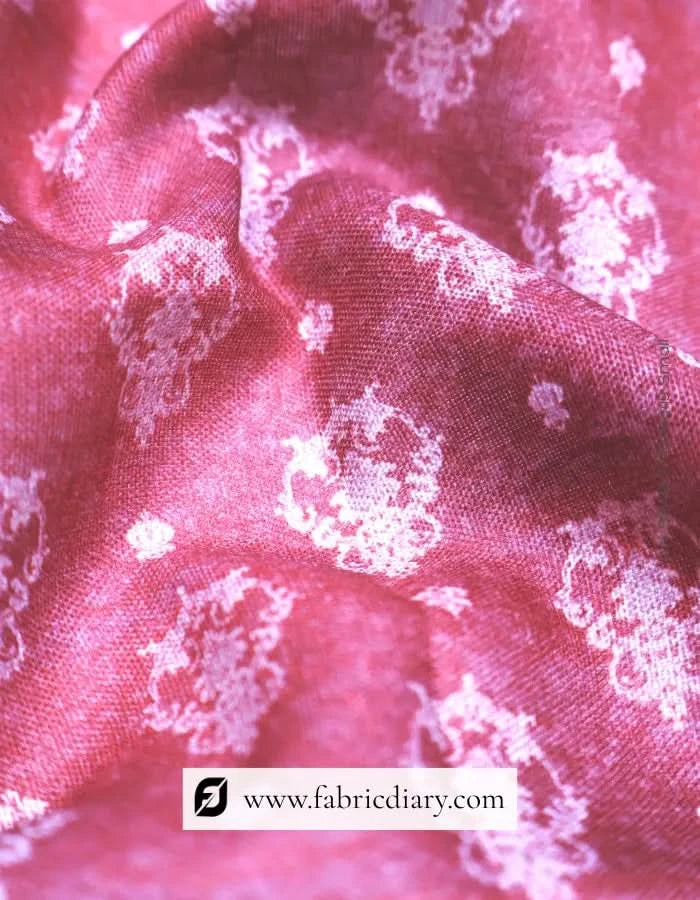
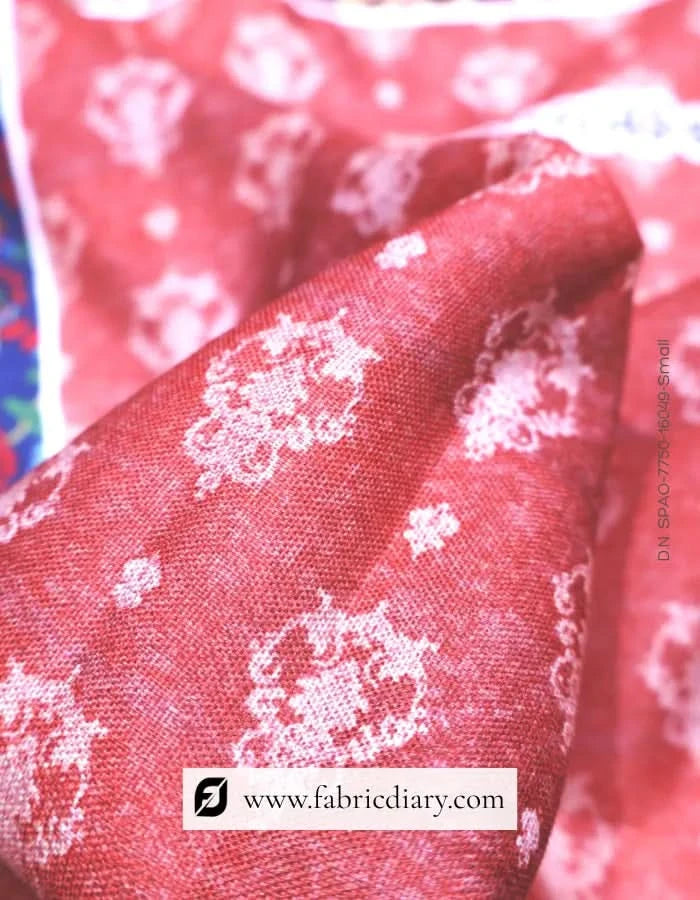
Allover Floral Printed Fabric [For Designer Dresses] SPAO-7750-16049-Small


Premium Cambric Cotton Fabric for Modern Fashion Wear


Digital Cotton Fabric by Yard for Apparel Manufacturing


Fine Printed Cotton Fabric for Fashion Designers & Brands


Soft Premium Cotton Fabric for Boutique Garment Collections


Cambric Cotton Fabric for Co-Ord Sets, Dresses & Tunics
- Featured
- Most relevant
- Best selling
- Alphabetically, A-Z
- Alphabetically, Z-A
- Price, low to high
- Price, high to low
- Date, old to new
- Date, new to old
Abstract prints are easy to recognise but surprisingly easy to source incorrectly. A design that looks striking on a digital screen may become visually crowded when repeated across a garment, lose definition on a textured base, or require a different colour-development approach when moved from a sample to a high-volume production run.
For fashion brands, garment manufacturers, wholesalers and international fabric buyers, choosing abstract printed fabric is therefore more than selecting an attractive pattern. It involves matching the artwork to the intended garment, selecting a suitable base fabric, establishing the right repeat scale and choosing a production method that fits the order.
FabricDiary's Abstract Printed fabric collection is intended for buyers exploring expressive, non-representational textile patterns for commercial apparel and fashion development. Abstract designs may feature irregular lines, free-form shapes, layered colour fields, painterly marks, geometric fragments or compositions that do not depict a specific object. Their appeal lies in the relationship between shape, colour, movement and negative space.
The collection is pattern-led rather than fibre-led. Depending on the particular development, an abstract design may be considered for different fabric constructions, provided the selected base and printing process are compatible. Final suitability must be assessed against the actual fabric, intended application and approved print sample.
For buyers comparing different visual directions, the wider By Pattern / Occasion Print collection provides the relevant pattern-led context. Abstract designs occupy a distinct place within that architecture: they offer visual expression without depending on floral subjects, animal markings or a specific occasion.
FabricDiary, associated with Madhav Fashion, supports B2B fabric sourcing and development discussions for buyers seeking samples, custom artwork or larger production quantities. The right starting point is a clear brief covering the design, base fabric, end use and expected order scale.
What Defines Abstract Printed Fabric?
Abstract printed fabric is characterised by the design printed on its surface rather than by a single fibre, weave or finishing treatment. The artwork may be organic, geometric, painterly, fragmented, asymmetrical or a combination of several visual approaches.
A composition might use broad blocks of colour for strong visual impact, fine lines for a more restrained appearance, or overlapping shapes that create depth without representing recognisable objects. Some designs have a deliberately irregular appearance; others use carefully controlled geometry and repeat spacing.
This distinction matters commercially. A buyer searching for abstract print is usually evaluating the visual identity of the fabric first, then checking whether its material behaviour, price and production route suit the intended garment.
Artwork, repeat and surface must work together
The same artwork can produce different results when applied to different substrates. A smooth base may preserve fine lines and small details more clearly than a visibly textured surface. A fluid fabric may create a different visual impression when draped than a more structured one. Transparency, sheen and colour absorption can also affect how the printed composition appears.
For this reason, a digital image or artwork preview should not be treated as a guarantee of the finished textile's appearance. A physical sample is valuable when the buyer needs to assess colour, hand feel, drape, surface coverage and print definition together.
Abstract printed fabric also differs from other pattern-led categories in its design logic. Floral patterns depend on botanical forms; animal prints draw on animal-inspired markings; and evening or partywear collections are organised around an occasion. Abstract artwork is instead defined by non-literal composition, making it useful for fashion concepts that need a distinctive visual identity without a recognisable subject.
Fabric Construction and Technical Suitability
There is no single construction that defines every abstract printed fabric. The base may be selected from suitable woven or other commercially available constructions according to the garment, desired drape, surface character, cost and print requirements. Fibre content and construction must be confirmed for the particular article offered.
This flexibility gives buyers more development options, but it also makes material selection an important part of the sourcing process.
Fibre, weave and surface character
Different fibres respond differently to printing and finishing. Cotton-rich and other cellulosic bases may suit certain pigment or reactive printing systems, subject to the exact fibre blend and processing conditions. Polyester-rich bases may suit compatible disperse-dye or sublimation processes, depending on construction and equipment. Blended fabrics need specific process validation because the different fibre components may not accept colour in the same way.
These are process-selection principles, not a claim that every method is available for every FabricDiary article. The chosen printer or mill should confirm the compatible route for the actual substrate.
Weave and surface also matter. A smooth, compact surface can help maintain the definition of fine lines and smaller shapes. A textured construction may introduce a desirable visual effect but can make intricate artwork less distinct. A flowing fabric can work well for garments designed around movement, while a firmer base may suit silhouettes that require more structure.
Drape, opacity, sheen and breathability
Abstract artwork does not determine whether a fabric is lightweight, opaque, breathable, glossy or fluid. These properties arise primarily from the base fabric and its finishing.
Buyers developing shirts or co-ord sets may prioritise comfort and ease of care. Dress and skirt manufacturers may focus more on drape, opacity and how the artwork appears when the garment moves. For modestwear or layered garments, coverage and lining requirements can be important. For structured silhouettes, the buyer should confirm whether the fabric has enough body for the intended construction.
Width, composition, weight, finish and usable print area can vary by article and production batch. Buyers should request the applicable specification sheet rather than assume a universal specification for the collection.
Printing Behaviour: From Artwork to Fabric
Abstract designs can range from large, simple colour fields to dense compositions with thin outlines and many overlapping elements. Print-method selection should follow the artwork and the fabric, not the other way around.
Digital printing can be particularly useful when artwork contains multiple colours, tonal transitions, painterly effects or frequent design revisions. The exact colour range and achievable detail depend on the printer, inks, substrate and finishing process.
Rotary and screen-based printing can be commercially suitable for designs prepared for repeatable high-volume production. Their economics depend on the design, number of colours, preparation requirements, fabric and order scale. A mill should evaluate the artwork before confirming the most economical route.
Allover repeats versus engineered placements
For abstract printed fabric sold as continuous yardage, an allover repeat is generally the practical starting point. The composition repeats across the fabric so that garment makers can cut multiple pieces from the same running design. Repeat size, direction, alignment and the visual transition between repeat edges should be reviewed before production.
Not every abstract design needs to be a seamless, evenly distributed repeat. Some artworks are deliberately scattered, while others use directional movement or broad colour zones. The repeat must be designed to support the intended cutting plan rather than simply tile an image without considering garment use.
An engineered or single-placement print is different. Its motifs, negative space and colour placement are planned around a defined garment length or panel. It may be appropriate for a specific dress front, tunic panel or other template-led application, but it needs a clear placement brief and confirmation of fabric width, cutting allowance and production method. A placement should not be assumed to be available at the same cost or in the same format as an allover repeat.
For buyers, this distinction should be resolved early. A continuous-repeat order and a garment-length placement order can have different sampling, cutting, waste and costing implications.
Choosing the right print process
Digital printing is a realistic option for original artwork development, sample-stage orders and smaller production requirements where flexibility is important. It can help a designer assess a new composition without immediately committing to the setup associated with a large mill run. Changes can be made between development rounds, although each revision still requires review and approval.
For substantial, repeatable production volumes, rotary or screen-based mill printing may be more economical when the artwork and base fabric are suitable. The design is prepared, the repeat and colour separations are finalised, and an approval sample is checked before production begins. Once the design is approved and the mill run is committed, the process is organised around consistency and efficiency—not unrestricted changes to each individual piece.
Neither route is automatically best for every abstract design. The right choice depends on the quantity, colour complexity, substrate, repeat requirements, quality expectations and total production economics.
Where Abstract Prints Work Best
Abstract printed fabric is most useful when the pattern contributes to the garment's identity without requiring a literal subject. The strongest application depends on the scale of the composition, the base fabric's behaviour and the visual balance between the print and garment construction.
Dresses, skirts and co-ord sets
Dresses and skirts can make effective use of flowing shapes, scattered marks, large colour fields and directional compositions. The artwork should be assessed at full garment scale. A motif that looks balanced in a small swatch may become too dense or lose its intended rhythm when spread across a full dress.
Co-ord sets benefit from designs that remain visually coherent across separate garments. Buyers should check whether the repeat works on both top and bottom pieces and whether the cutting layout can maintain a deliberate relationship between the two. Exact motif matching across seams or separate pieces may increase cutting and production complexity.
Shirts and contemporary apparel
Abstract prints can provide a distinctive direction for shirts and modern casual apparel. Smaller-scale compositions may be easier to use across collars, sleeves and other garment components, while larger graphics can create a stronger statement. The choice depends on the target customer and garment design.
For shirts produced in repeated sizes, the artwork should be checked against the pattern pieces. Small details must remain legible on the selected base, and the print's direction should be suitable for the planned cutting layout.
Ethnicwear and selected occasionwear
Abstract compositions may also suit contemporary kurtis, tunics and selected occasionwear where a designer wants an alternative to traditional florals or figurative motifs. A restrained design can support a minimal silhouette, while a more dramatic composition can create a focal point.
Suitability depends on the individual fabric and artwork. Abstract print alone does not make a base suitable for bridalwear, heavily structured garments or garments requiring a particular level of opacity or embellishment support. Those requirements need separate assessment.
Buyer Perspective: What to Confirm Before Ordering
A useful sourcing brief reduces the risk of approving a design that looks right on screen but is unsuitable for production. Before requesting a quotation, buyers should clarify five things: the garment, the base fabric, the artwork, the print orientation and the expected quantity.
Start with the end product. A shirt manufacturer, a dress-focused private-label brand and an export house producing coordinated sets may all use abstract prints, but their priorities differ. One may need crisp small motifs; another may need fluid drape; a third may need a repeat that can be reproduced consistently across a substantial run.
Confirm the base fabric.If the buyer has a defined fibre, weave, surface or finish requirement, it should be specified in the enquiry. If the base is flexible, ask for suitable options that meet the garment's practical needs. Do not compare quotations on print price alone if the underlying materials are different.
Supply artwork at a useful scale. A reference image helps communicate style, but it may not contain production-ready artwork. The buyer and supplier need to establish whether the file can be repeated, whether colours need adjustment and whether the design needs to be redrawn or developed before sampling.
Decide between allover and placement printing.Allover repeat is generally suited to continuous fabric orders. An engineered placement requires a garment or panel template and a separate discussion of layout, cutting and production requirements. This decision affects both costing and approval.
Define the quality checkpoints. Agree which sample is being approved and what matters most: colour appearance, fine-line definition, repeat alignment, base-fabric hand feel, surface coverage or performance after the relevant finishing process. If colour matching is critical, provide a reliable reference and confirm the practical tolerance with the production partner.
Small designers may need flexibility and low initial commitment. Private-label brands often need a dependable development process before a launch. Larger manufacturers and wholesalers tend to place greater weight on repeatability, usable yield, production consistency and cost per saleable metre. The page should help each buyer identify the right discussion rather than promise a single sourcing solution for everyone.
Sourcing and Manufacturing: Matching Quantity to Process
The most important commercial decision is often not the artwork itself but how the design will be produced at the intended quantity.
Digital development for sampling and smaller orders
Digital printing is generally the more practical route for buyers testing an original abstract concept, sampling colourways or developing a smaller collection. Designers and boutique labels can use it to evaluate the artwork on the chosen substrate before expanding into larger production.
A development brief should specify the base fabric, print dimensions, preferred repeat, colour references and intended application. If the design is still being explored, state which elements can change and which must remain fixed. That makes it easier to distinguish a sample for visual direction from a production approval sample.
Small-run digital production is not necessarily cheaper per metre than a large mill run. Its value often lies in flexibility and lower dependence on high-volume production setup. Availability, minimum quantities and pricing must be confirmed for the selected process and fabric.
Bulk mill printing for established production
For wholesalers, export houses, garment factories and manufacturers planning large, repeatable runs, mill printing can offer better unit economics when the artwork, fabric and volume suit the process.
The commercial workflow should include artwork review, colour separation where required, repeat finalisation, a development or strike-off sample, approval and production. The approved design then becomes the production reference. Colour changes, revised repeats or new artwork after approval should be treated as development changes rather than assumed to be included in the original run.
A buyer planning a large order should discuss expected consumption, usable width, cutting losses, batch consistency, packaging and shipment requirements before finalising the commercial commitment. These details affect the real cost of the finished garment, not merely the price of the fabric.
No fixed MOQ or lead time should be assumed for all abstract prints. The practical threshold between digital and mill printing varies by equipment, artwork, base fabric, preparation cost and supplier capability.
Custom Abstract Print Development
Custom development can help a brand build a recognisable visual identity instead of selecting an artwork that appears in multiple competing collections. It begins with a clear design brief, not simply a request for a different colour.
Possible development variables include:
-
Artwork direction: organic shapes, broken geometry, painterly marks, layered fields or controlled asymmetry.
-
Motif scale: fine detail for a restrained appearance or larger forms for a more expressive result.
-
Colourway: adjustment to the buyer's reference palette, target market and garment concept, subject to the selected process.
-
Repeat engineering: balancing visual flow with repeat dimensions, cutting efficiency and fabric usage.
-
Fabric selection: evaluating suitable bases against drape, surface, opacity, cost and print compatibility.
-
Private-label development: aligning approved artwork and material choices with a brand's collection requirements.
The scope of customisation should be agreed before sampling. A buyer should identify whether the requirement is an existing design, a recolouring exercise, a repeat adjustment or the creation of new artwork. These are different tasks and may involve different preparation and approval stages.
For bulk mill production, customisation is primarily resolved during development. Once artwork and colourways have been approved and committed to a production run, consistency and cost efficiency take priority. Buyers should not expect unrestricted order-by-order artwork changes within a single approved bulk run.
Global Market Demand and Regional Design Decisions
Abstract prints can cross fashion categories, but the right composition depends on the intended customer and local retail context. Regional preferences are useful starting points for a design brief, not fixed rules about every buyer in a country.
North America and Europe:Private-label brands, independent labels and apparel manufacturers may value a distinctive artwork, dependable specifications and the ability to reorder a successful design. Buyers should establish clear expectations for colour matching, repeat consistency, material information and any relevant compliance documentation before production. Smaller development orders may make digital sampling a useful first step.
South Asia:Apparel and ethnicwear production creates varied requirements for fabric construction, drape, print appearance and garment suitability. Buyers may compare several base fabrics before deciding which offers the right balance of material character, cost and design clarity. A sourcing brief that identifies the intended garment and preferred construction is more useful than an enquiry for abstract print alone.
West and Central African markets: Buyers developing bold fashion textiles may consider high-contrast compositions, large-scale forms and vivid colour combinations. Continuous allover repeats can be practical for cutting multiple garments from yardage. For wholesale and manufacturing buyers, the repeat layout, colour approval, usable fabric width and economics of larger runs deserve particular attention. The preferred motif scale and order quantity should still be confirmed with the specific buyer.
Middle Eastern markets: Abstract prints may serve contemporary apparel and selected occasionwear collections where richer colour palettes or carefully balanced compositions are desired. Garment-specific opacity, lining and drape requirements should be checked against the actual base fabric rather than inferred from the artwork.
Across all markets, a physical sample and documented approval process provide a stronger basis for repeat orders than relying on a screen image or a general colour description.
Wholesale and Bulk Ordering
A wholesale enquiry is most productive when it describes the intended order rather than asking only for a price per metre. FabricDiary buyers can frame the requirement around a selected collection design, an existing artwork reference or a custom development brief.
For a sample-stage enquiry, state the approximate quantity needed, preferred fabric, target garment and any colour or repeat changes under consideration. Digital printing may be the suitable starting point when flexibility and limited initial commitment matter most.
For a high-volume enquiry, include the expected production quantity or consumption range, preferred base construction, artwork status, colourway count, repeat requirements and delivery destination. If the design is not yet production-ready, identify that early so the supplier can assess development needs before quoting a mill run.
A large order should be costed around the complete production route. Depending on the project, relevant considerations may include artwork preparation, print setup, base-fabric procurement, sampling, finishing, inspection, packing and shipping. The most economical option is the one that meets the approved quality requirements at the required scale—not necessarily the lowest initial quotation.
Before committing, buyers should clarify:
-
Whether the quotation covers sampling, development or bulk production.
-
Which base fabric and print process are included.
-
Which sample or colour reference will govern approval.
-
Whether the repeat and usable fabric width suit the cutting plan.
-
How changes after approval will be handled.
-
What inspection, packing and shipping requirements apply.
Quantities, price breaks, production availability and lead times must be confirmed for the specific project. Buyers planning substantial orders should request a production discussion before treating a sample quotation as a bulk quotation.
Buyer Selection Guide: Is Abstract Print the Right Choice?
Abstract printed fabric is a strong candidate when the garment concept depends on expressive colour, non-literal shapes, visual movement or a recognisable contemporary pattern direction. It can be particularly useful for collections that need to distinguish themselves without relying on floral or animal-inspired subjects.
It may be less suitable when the product requires a precise figurative image, a botanical theme, a recognisable animal marking or a carefully controlled single-garment layout that cannot be achieved with an allover repeat. In those cases, another pattern-led collection or a dedicated engineered-print brief may be more appropriate.
The decision should also account for the base fabric. A technically unsuitable substrate cannot be made appropriate simply by changing the artwork. If opacity, a specific hand feel, a defined fibre content or a particular drape is essential, establish that requirement before approving a print direction.
A practical selection sequence is:
-
Define the garment and target customer.
-
Confirm essential base-fabric characteristics.
-
Select the abstract artwork direction and motif scale.
-
Decide whether the order needs an allover repeat or an engineered placement.
-
Choose digital sampling or assess a suitable mill-production route.
-
Approve the relevant sample and specifications before bulk commitment.
For buyers still comparing pattern directions, Floral Printed Fabric is relevant when flowers and botanical forms are central to the brief. Animal Printed Fabric is more appropriate when the intended visual identity comes from animal-inspired patterns. Evening Printed Fabric is relevant when the occasion is the primary buying consideration rather than the abstract artwork itself.
FAQ
1. What is abstract printed fabric?
It is fabric printed with non-representational or non-literal compositions, such as irregular shapes, colour fields, lines, painterly marks or fragmented geometry. Its defining feature is the visual design rather than a particular fibre or weave.
2. Is abstract printed fabric made from one fixed material?
No. Abstract print describes the artwork, not the base construction. Fibre content, weave, weight, surface and finish depend on the specific fabric selected for the project.
3. Is abstract printed fabric lightweight or heavyweight?
It can vary. Weight and drape depend on the base fabric and its finishing. Buyers should request the specification for the exact article rather than assume every abstract print has the same weight.
4. Can abstract printed fabric be transparent?
Transparency depends on the substrate, its construction and any finishing. Buyers making shirts, dresses, modestwear or layered garments should assess opacity on a physical sample and determine whether lining is required.
5. Which printing methods work for abstract designs?
Digital, rotary and screen-based printing can all be relevant, depending on the base fabric, artwork, quantity and equipment. The supplier should confirm compatibility and print quality for the specific combination.
6. Is abstract printed fabric normally sold as an allover repeat or a single placement?
Continuous yardage is commonly developed as an allover repeat, but some designs may use directional layouts or engineered placements. A placement needs a defined garment or panel template and a separate production assessment.
7. Can large abstract shapes be printed clearly?
They can be suitable for printing, provided the artwork, substrate and process are compatible. Buyers should review the composition at its intended production scale and approve a sample before committing to bulk.
8. Is digital printing suitable for small orders and samples?
Digital printing is often a practical choice for sampling, smaller quantities, original artwork and colourway testing. Availability, minimum quantities and pricing depend on the selected fabric and supplier.
9. When should a buyer choose bulk mill printing?
Bulk mill printing is worth evaluating for substantial, repeatable production runs when setup costs can be spread across the order and the artwork is suitable for the process. The design and colourways should be finalised during development.
10. Can artwork be changed after a bulk print run is approved?
Changes may be possible through a revised development process, but they should not be assumed to be included in the approved production run. Revisions to artwork, colour or repeat can affect preparation, cost and production planning.
11. Can FabricDiary help develop custom abstract artwork?
Buyers can enquire about custom print development, including artwork direction, colourway, motif scale and repeat requirements. The available scope, compatible fabric and commercial terms must be confirmed for the individual project.
12. Which garments suit abstract printed fabric?
Dresses, skirts, co-ord sets, shirts and contemporary ethnicwear are potential applications. The best choice depends on the pattern scale, fabric drape, opacity, surface character and garment construction.
13. Is abstract printed fabric suitable for private-label fashion brands?
It can be, especially when the brand needs a distinct visual direction. Private-label buyers should establish artwork ownership and usage terms where relevant, approve a physical sample and define repeat-order expectations.
14. What should wholesalers include in a bulk enquiry?
Include the target quantity, intended application, preferred base fabric, artwork or reference, colourways, repeat orientation, delivery destination and any quality requirements. This helps the supplier evaluate a suitable production route.
15. Can abstract prints be developed for bold African fashion markets?
Large-scale forms, vivid colours and strong contrast may be relevant for buyers targeting particular West or Central African fashion segments. Actual preferences vary by customer and product category, so artwork should be validated against the buyer's reference and intended use.
16. How can a European or North American buyer improve repeat-order consistency?
Agree on the base-fabric specification, approved colour reference, repeat dimensions and sample acceptance criteria before production. For repeat orders, ask the supplier how colour and batch variation are assessed and documented.
17. Can an abstract print be used for a single dress or tunic panel?
Potentially, through an engineered placement design. The buyer should provide the panel dimensions or garment template and confirm cutting allowances, usable width, sampling requirements and the production method.
18. What information is needed to obtain an abstract printed fabric quotation?
A useful brief identifies the quantity, base-fabric requirements, artwork status, print orientation, colour expectations, end use and delivery destination. If these are not yet known, start with the garment concept and request guidance on the development options.
Related Collections
Explore the wider FabricDiary catalogue according to whether the purchasing decision is driven by pattern, occasion, material or placement.
-
By Pattern / Occasion Print — the parent collection for pattern-led print sourcing.
-
Printed Fabric — the main hub for buyers comparing printed-fabric categories.
-
Floral Printed Fabric — for botanical motifs and flower-led compositions.
-
Animal Printed Fabric— for animal-inspired pattern directions.
-
Evening Printed Fabric — for buyers whose main requirement is eveningwear application.
-
Partywear Printed Fabric — for print sourcing linked to partywear collections.
Where the main decision is material composition rather than visual pattern, buyers should use the relevant material-led collection within FabricDiary's existing catalogue. Where the artwork must be arranged around a fixed garment template, a position-print or custom-print development enquiry is more appropriate than assuming that an ordinary allover-repeat order will meet the requirement.
Discuss Your Abstract Print Requirement
A useful enquiry starts with the fabric you need to make, not simply the pattern name. Tell FabricDiary whether you are sampling a new concept, developing a private-label range or planning a repeatable wholesale production run.
Include your intended garment, approximate quantity, preferred base fabric, artwork reference and whether you need an allover repeat or a specific placement. If you are still comparing options, explain which features are essential and which can be adjusted during development.
Next step: Request a fabric sample or discuss custom abstract print development with FabricDiary. For larger requirements, ask for a production assessment covering the proposed base fabric, print process, artwork approval and bulk-order economics before committing to the run.
FabricDiary Global B2B Sourcing Desk
Direct textile manufacturing facility supplying premium fabrics to Apparel Buying Houses, Fashion Merchandisers, Garment Exporters, and Boutique Labels across North America, Europe, the Middle East, and Africa.
Ready Stock MOQ
1 Meter (Immediate Dispatch)
Custom Production MOQ
30 Mtr (Dyes/Prints) | 300 Pcs (Patches)
Trims & Laces MOQ
Standard 9-Meter Rolls
Trade & Shipping Terms
FOB, CIF, DDP Air/Sea Freight
Read More about Abstract Printed fabric