

Bridal Printed fabric
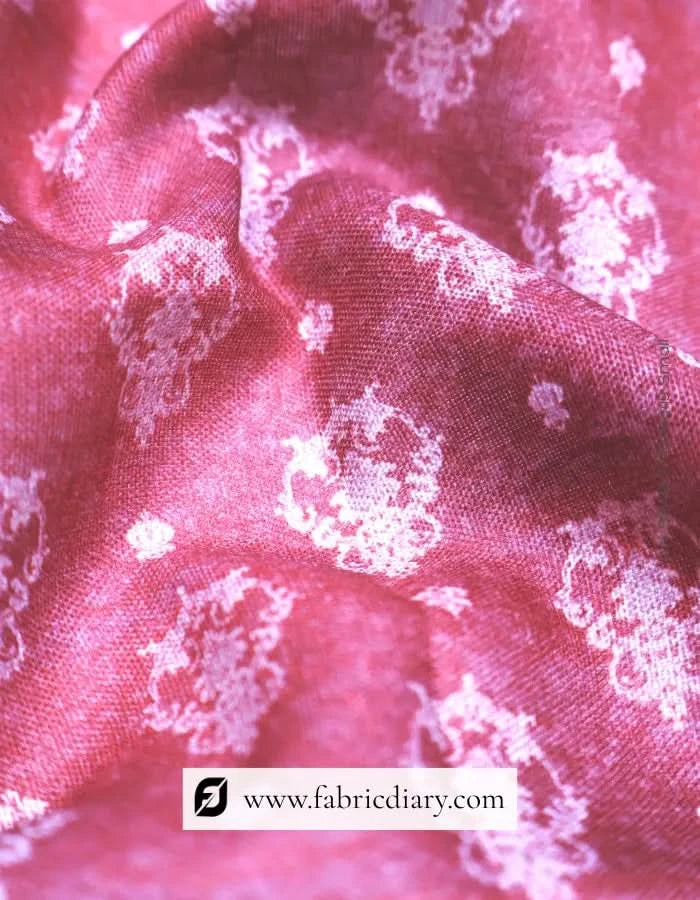
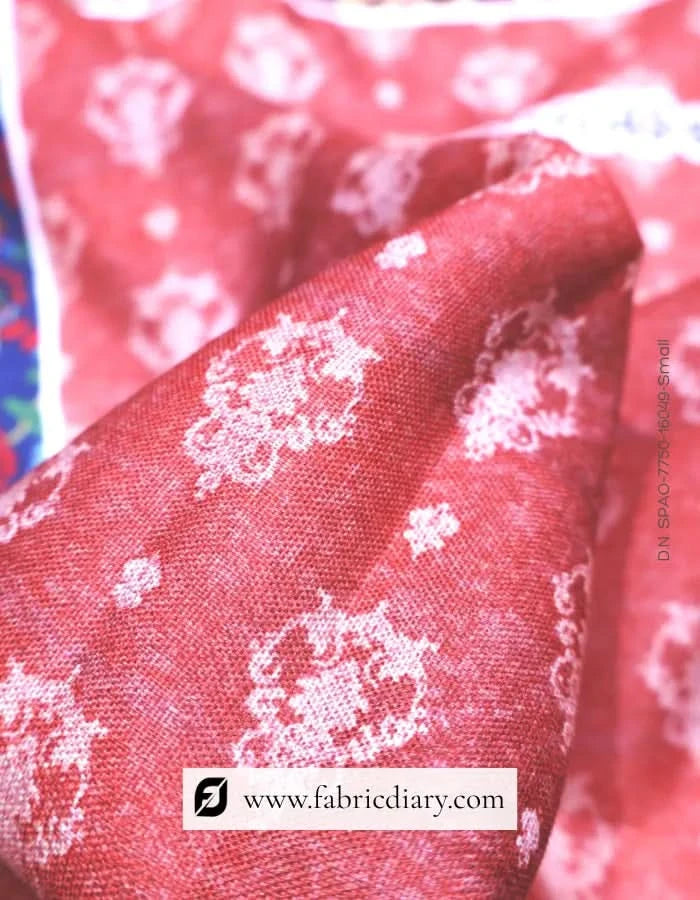
Allover Floral Printed Fabric [For Designer Dresses] SPAO-7750-16049-Small


Digital Printed Cotton Fabric for Creative Sewing Projects


Premium Cotton Dress Fabric for Tailors & Fashion Makers


Lightweight Cambric Cotton Fabric for Fashion Clothing


Soft Cotton Printed Fabric for Boutique Apparel & Dresses


Digital Print Cambric Cotton Fabric for Designer Collections
- Featured
- Most relevant
- Best selling
- Alphabetically, A-Z
- Alphabetically, Z-A
- Price, low to high
- Price, high to low
- Date, old to new
- Date, new to old
A bridal collection begins with a design decision: how should the fabric create the look of the finished garment? For some collections, embroidery takes the lead. For others, carefully developed prints create the colour, pattern, visual richness and identity that make a bridal outfit distinctive.
Bridal Printed Fabric offers an alternative for designers and manufacturers who want the print itself to shape the garment. From elaborate florals and paisley-inspired artwork to statement motifs, coordinated borders and contemporary colour combinations, the right print can help define a lehenga, saree, gown, bridal kaftan or coordinated ethnicwear set.
At FabricDiary, bridal printed fabric sourcing begins with the intended garment, the desired visual effect and the requirements of the buyer. Fabric selection, print development, motif scale, colour approval and production quantity all influence the final result.
Whether you are developing a boutique bridal collection, sourcing fabric for an export order or evaluating custom-printed textiles for a new product line, the objective is the same: select a print and base fabric that work together in the finished garment.
Explore the Bridal Printed Fabric collection to begin your fabric selection.
Explore Bridal Prints by Design and Garment Application
Bridal printed fabric is not limited to one pattern, composition or construction. The most suitable option depends on the garment, the market you serve and the visual character of your collection.
Floral bridal prints
Floral artwork can range from delicate botanical arrangements to larger, statement-making compositions. The motif scale, spacing and colour palette should complement the intended silhouette rather than compete with it.
For broader floral design exploration, visit Floral Printed Fabric.
Paisley and ornamental prints
Paisley-inspired motifs, intricate ornamental arrangements and traditional pattern influences can suit bridal and festive collections that call for a detailed, heritage-inspired appearance. Repeat size and motif spacing are particularly important when the fabric will be cut into multiple garment panels.
Allover bridal prints
An allover print repeats across the fabric width and length. This approach gives manufacturers flexibility when cutting fabric for different sizes, styles and garment components, provided the repeat and usable width suit the cutting plan.
Placement and border-led bridal prints
Placement printing positions artwork in specific areas instead of relying exclusively on a repeating pattern. It can be appropriate for designs developed around lehenga panels, saree pallus, garment fronts or borders. The final layout must be coordinated with the garment pattern and fabric dimensions.
Contemporary bridal prints
Modern bridal and reception collections may use abstract motifs, stylised florals, layered patterns or distinctive colour combinations. These designs are particularly relevant to brands developing a recognisable visual identity across a coordinated collection.
The available designs and development possibilities should be confirmed against the buyer's specific requirements.
Choosing the Right Base Fabric for Bridal Printing
The base fabric influences the way a print looks, feels and performs during garment construction. A visually attractive design may not deliver the intended result if the fabric drapes poorly, lacks the required opacity or does not suit the garment's structure.
FabricDiary's sourcing discussion should therefore consider the base fabric and print together rather than treating the printed design as the only selection criterion.
Georgette and lightweight flowing fabrics
Depending on their construction and finish, georgette fabrics can suit layered silhouettes, flowing gowns, dupattas and draped occasionwear. Buyers should evaluate transparency, surface texture and drape before approving a bridal print.
Santoon and other suitable structured bases
Where a garment requires a more controlled silhouette, the selected base should provide the body and handling characteristics needed for the design. The exact composition, finish and construction must be confirmed for the chosen material.
Dola silk and silk-blend fabrics
These may be considered for collections seeking a silk-like appearance or a richer hand feel. Buyers should verify the actual fibre composition rather than infer silk content from a commercial fabric name.
Polyester and blended fabrics
Depending on construction, finishing and printing compatibility, these fabrics may suit commercially focused bridal and festive collections. Colour appearance, hand feel, durability requirements and garment performance should be evaluated on the actual material.
These are potential base-fabric directions, not a claim that every material is available in every design. Final options depend on the confirmed product, sourcing requirements and production feasibility.
Bridal Printed Fabric for Different Garment Categories
Printed Fabric for Bridal Lehengas
Lehengas require careful attention to motif scale, skirt volume and panel layout. A small repeating design may create a subtle overall effect, while a larger motif can give the skirt a stronger visual identity.
Before approving the fabric, evaluate how the artwork will appear across the skirt panels, waistband area and accompanying blouse or dupatta. For placement designs, the cutting plan should be reviewed before production so that important motifs do not fall in unwanted seam or cutting positions.
Bridal Sarees and Coordinated Sets
For sarees, the relationship between the body, border and pallu can be more important than the isolated appearance of a motif. Buyers considering a coordinated print should confirm whether these areas are intended to share one repeat, use different layouts or require separate placement development.
The usable fabric dimensions and the intended garment construction should guide the final print layout.
Bridal Gowns and Receptionwear
Print-led bridal gowns and reception dresses can use allover designs or strategically positioned artwork. The selected base should complement the silhouette, while the motif size should work with the bodice, skirt and seam placement.
For fitted garments, a cutting review is particularly useful because seams can interrupt prominent motifs or change their visual balance.
Bridal Kaftans and Modest Occasionwear
Kaftans, robes and flowing occasionwear may benefit from prints that work with the garment's drape and overall proportions. Front placement, sleeve design, opacity and lining requirements should be evaluated for the intended garment and customer market.
Anarkalis, Dupattas and Coordinated Bridal Collections
A coordinated print programme can help designers create visual continuity across multiple garment components. The buyer should specify which components require matching designs, contrasting motifs or separate layouts. Print coordination must be confirmed during development rather than assumed from a single fabric image.
Allover Print or Placement Print: Which Should You Choose?
The decision depends on how the fabric will be used.
Choose an allover repeat when:
-
You need fabric that can be cut into different garment sizes and styles.
-
You want a consistent pattern across continuous yardage.
-
Your production plan requires flexibility in cutting and garment allocation.
-
You are developing a repeatable design for a wholesale or manufacturing programme.
Consider placement printing when:
-
A specific motif needs to appear in a defined garment area.
-
A saree pallu, border or lehenga panel needs a planned visual arrangement.
-
You want more control over the relationship between artwork and garment construction.
-
The design depends on intentional negative space or a particular motif position.
Placement printing requires careful artwork preparation and layout approval. The available repeat dimensions, printable area, fabric width and production process should be established before the order is confirmed.
For buyers whose main requirement is engineered artwork positioning, explore Position Printed Fabric, where available.
Custom Bridal Print Development
If existing designs do not meet your collection requirements, custom development may be worth considering. The feasibility depends on the artwork, base fabric, print process, order quantity and production schedule.
A useful development brief should include:
-
Garment application: Lehenga, saree, gown, kaftan, dupatta or another intended product.
-
Artwork direction: Floral, paisley, ornamental, abstract, traditional or buyer-supplied artwork.
-
Colour requirements: Preferred shades, reference images and any available colour standards.
-
Print layout: Allover repeat, border, panel-specific artwork or placement arrangement.
-
Base fabric: Preferred composition, texture, drape, width and other required specifications.
-
Quantity: Sampling requirement, initial production quantity and expected repeat-order volume.
-
Target market: The market and garment specifications that will determine the required appearance and performance.
A reference image can communicate the design direction, but it does not automatically establish that the same artwork, colour result or production method can be reproduced exactly.
For custom requests, visit FabricDiary and provide your requirements for assessment. Buyer-supplied artwork, adaptation options, sampling availability and production feasibility should be confirmed before any commitment.
Digital Printing and Bulk Production
The suitable printing route depends on the design and commercial requirements. Digital printing and screen-based production have different development processes, economics and production considerations.
Digital printing
Digital printing can be useful for complex artwork, multiple colours, sampling and selected small-run projects. It may also provide flexibility when a design needs revisions between development stages.
The final result depends on the printing equipment, inks, base fabric, pretreatment and finishing process. Colour approval should be based on a physical sample produced on the intended material wherever feasible.
Screen-based or rotary printing
For suitable designs and quantities, screen-based or rotary printing may offer production efficiencies once the artwork, colour separations and repeat have been finalised.
This process requires development work before the production run. Changes after screens or production preparations are completed can involve additional time and expense. The economics depend on design complexity, quantity, fabric and mill requirements.
Neither method is universally better. Buyers should compare the complete development and production requirements rather than choosing solely on the quoted price per metre.
Quality Checks Before Approving Bridal Printed Fabric
A bridal print should be evaluated as a material intended for garment production, not only as a design on a screen.
Colour appearance: Compare the physical sample against the approved reference under consistent lighting. Screen displays are not reliable colour standards.
Motif scale and repeat: Check whether the design looks appropriate at garment scale and whether the repeat works with the planned cutting layout.
Fabric hand feel and drape: Assess the actual base fabric for the intended silhouette. A print that looks attractive may not suit the required structure or movement.
Opacity and lining: Confirm whether the material provides the required coverage. If lining is necessary, account for the additional material and construction requirements.
Print consistency: For production orders, establish an approved reference sample and agree on the applicable inspection and shade-variation expectations before manufacturing.
Usable width and cutting yield: Confirm the usable width, repeat dimensions and any placement limitations. These factors can affect fabric consumption and garment cost.
Finishing and handling: Review the relevant care, finishing and performance requirements for the intended end use.
For repeat orders, retain the approved sample and documented specifications as references. The achievable level of consistency should be discussed with the supplier before production begins.
Wholesale and Bulk Bridal Printed Fabric Sourcing
Bridal printed fabric does not have one universal minimum order quantity or price because the commercial requirements vary by base fabric, print method, artwork complexity and production scale.
Boutiques and designers may begin with design evaluation and sampling before placing a production order. Manufacturers, buying houses and wholesalers may need to plan around confirmed fabric quantities, cutting requirements, repeatability and delivery schedules.
When requesting a wholesale quotation, provide as much of the following information as possible:
-
Required design or reference artwork.
-
Preferred base fabric and specifications, if known.
-
Allover or placement printing requirement.
-
Estimated quantity in metres.
-
Intended garment application.
-
Required colourways.
-
Sampling and production timeline.
-
Delivery destination and applicable documentation requirements.
These details help establish whether the requested design and production route are feasible. MOQ, sample charges, pricing, lead time, payment terms and shipping arrangements should be confirmed in the individual quotation.
For buyers planning a larger programme, it is useful to distinguish initial sampling from the eventual production quantity. The approved design and base fabric should match the planned production as closely as possible.
Bridal Printed Fabric for International Buyers
Fabric requirements can differ across markets, brands and garment categories. A buyer developing a South Asian bridal collection may prioritise motif language and coordination across lehengas, sarees and dupattas. A modest-fashion brand may focus more heavily on drape, opacity and garment coverage. An international boutique may place greater emphasis on distinctive artwork, documented material specifications and repeat-order consistency.
These are sourcing considerations rather than fixed rules for any region. The actual target customer, garment design and product brief should guide the selection.
FabricDiary supports international fabric discovery through its online collections. Buyers should confirm product availability, composition, specifications, order terms, shipping arrangements and any destination-specific compliance requirements before placing an order.
Why Source Through FabricDiary?
Fabric sourcing for a bridal collection involves more than finding an attractive motif. The artwork must work with the material, the garment construction and the intended production plan.
FabricDiary provides a starting point for buyers exploring printed fabric collections and identifying suitable directions for their requirements. The next step is to establish the exact design, base fabric, quantity and level of customisation needed.
For buyers working with a specific brief, sharing the garment application and reference artwork can make the sourcing discussion more productive. Any manufacturing capability, production timeline, MOQ or custom-development option should be confirmed against the individual requirement.
Whether you are developing a new bridal line or sourcing printed fabric for an existing programme, begin with the garment and work backwards to the print.
Ready to discuss your bridal printed fabric requirement?
Visit FabricDiary and share your preferred design, fabric type, estimated quantity and intended application. The details can then be reviewed to establish the appropriate sourcing or development route.
Related Printed Fabric Collections
Explore other FabricDiary collections according to your design direction:
-
Printed Fabric — the main collection for printed fabric discovery.
-
By Pattern / Occasion — browse prints organised around design and occasion.
-
Floral Printed Fabric — for floral and botanical artwork.
-
Leaf Veil Print Fabric — for leaf-inspired and botanical print directions.
-
Evening Printed Fabric — for eveningwear and non-bridal occasionwear.
-
Partywear Printed Fabric — for partywear and pre-wedding occasion collections.
-
Position Printed Fabric — for buyers exploring planned print placement.
-
FabricDiary — for further collection discovery and sourcing enquiries.
Choose the collection that matches your main requirement: bridal context, a particular motif, a garment application or a print-layout technique.
FAQ
1. What is bridal printed fabric?
Bridal printed fabric is fabric selected or developed for bridal and wedding-related garments where printed artwork is an important part of the design. Its composition, construction and printing method depend on the individual product and order requirements.
2. Is bridal printed fabric available in different materials?
The appropriate material depends on the design and garment application. Georgette, polyester blends and other occasionwear bases may be considered where suitable, subject to actual availability and specification confirmation.
3. Can bridal printed fabric be used for lehengas?
Yes, where the selected fabric, print design and construction suit the intended lehenga. Buyers should check motif scale, skirt-panel layout, drape, opacity and lining requirements.
4. Can it be used for sarees and bridal dupattas?
Yes. Allover designs, borders and placement layouts may be suitable depending on the intended garment. Pallu positioning, usable width and coordination with other garment components should be confirmed before production.
5. Can I request a custom bridal print design?
Custom development may be possible depending on the artwork, fabric, print process, quantity and production feasibility. Share your reference design and requirements for assessment before confirming an order.
6. What is the difference between allover and placement printing?
Allover printing repeats the pattern across the fabric, while placement printing positions artwork in planned areas. Allover designs can provide cutting flexibility; placement designs require more coordination with the intended garment layout.
7. Can I order a sample before bulk production?
Sampling availability and the applicable quantity or charges depend on the product and printing route. Confirm whether a physical sample can be prepared on the intended base fabric before approving production.
8. What is the MOQ for bridal printed fabric?
There is no single MOQ that applies to every bridal printed fabric. It depends on the base material, printing method, design complexity and production requirements. Request a quotation for the specific design and quantity.
9. How do I obtain wholesale pricing?
Share the required design, base fabric, estimated metres, print layout, colourways and delivery destination. These details help establish the appropriate quotation and production route.
10. Can I choose my own colours?
Colour development may be possible depending on the design and printing method. The achievable result should be evaluated through an appropriate physical sample and agreed reference before bulk production.
11. Can I request the same print for repeat orders?
Repeat orders should refer to the approved artwork, base fabric, specifications and physical sample. Colour and production consistency depend on the materials and process; the applicable tolerances should be discussed before ordering.
12. Does FabricDiary ship internationally?
FabricDiary serves international fabric buyers. Shipping availability, costs, documentation and delivery timelines should be confirmed for the order and destination country.
13. What details should I send for a bridal fabric enquiry?
Include your intended garment, preferred print style, fabric requirements, estimated quantity, target colour palette and delivery destination. Attach reference artwork or images if available.
Start Your Bridal Printed Fabric Sourcing
A successful bridal print is one that works beyond the design image. The motif must suit the garment, the base fabric must provide the required drape and coverage, and the print layout must support practical garment construction.
FabricDiary's Bridal Printed Fabric collection is a starting point for exploring print-led bridal concepts and identifying the requirements for sourcing or custom development.
Share your design direction, intended garment and estimated order quantity to begin a focused sourcing discussion. Confirm the selected fabric specifications, sample approval, commercial terms and production feasibility before proceeding with bulk manufacturing.
FabricDiary Global B2B Sourcing Desk
Direct textile manufacturing facility supplying premium fabrics to Apparel Buying Houses, Fashion Merchandisers, Garment Exporters, and Boutique Labels across North America, Europe, the Middle East, and Africa.
Ready Stock MOQ
1 Meter (Immediate Dispatch)
Custom Production MOQ
30 Mtr (Dyes/Prints) | 300 Pcs (Patches)
Trims & Laces MOQ
Standard 9-Meter Rolls
Trade & Shipping Terms
FOB, CIF, DDP Air/Sea Freight
Read More about Bridal Printed fabric