
Animal Printed fabric
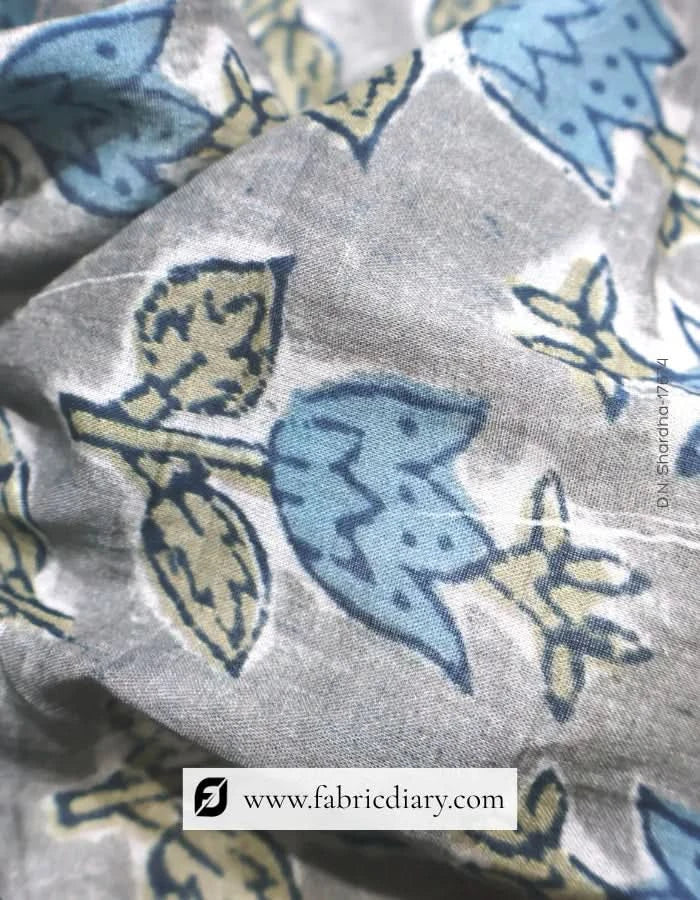
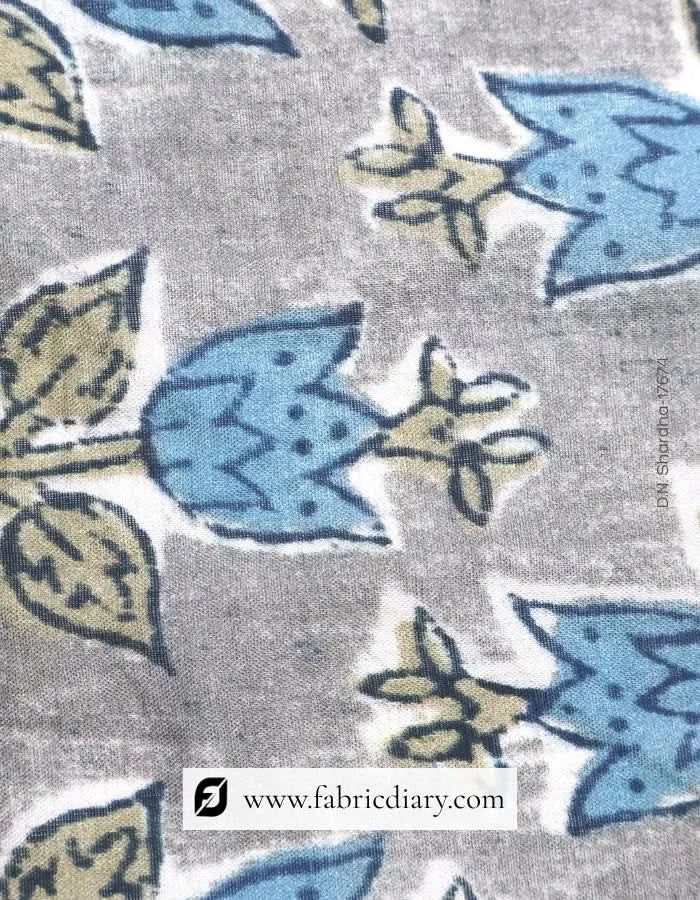
Premium Cotton Fabric by Yard for Fashion Garment Making
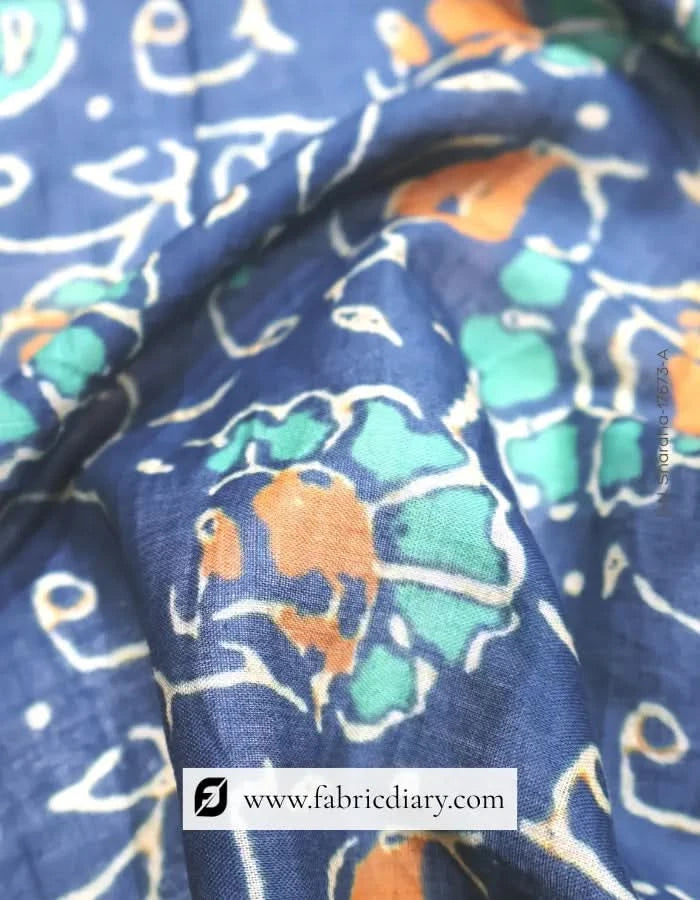
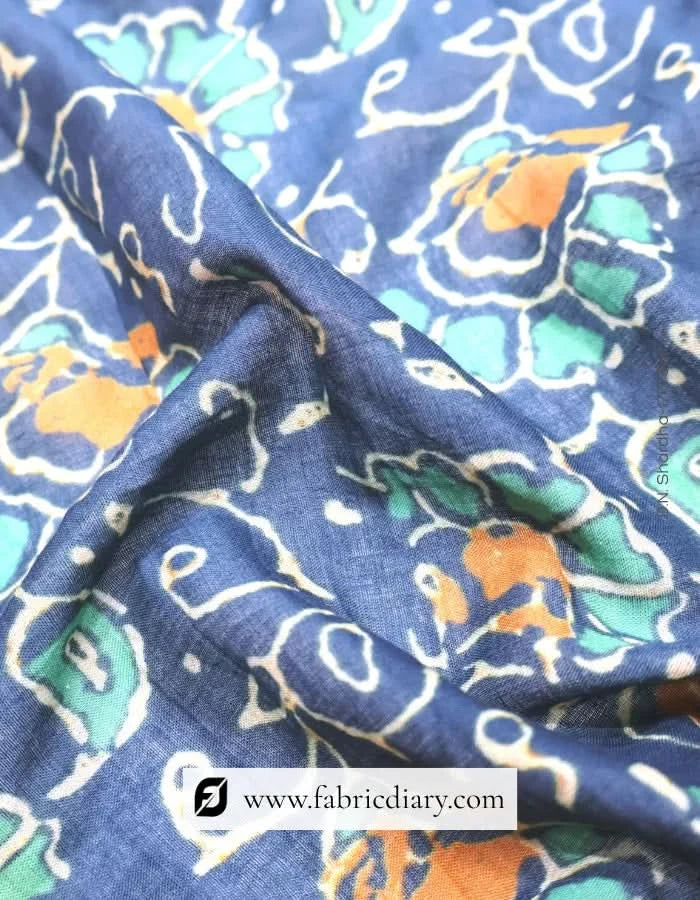
Fine Cambric Cotton Fabric for Dresses, Tunics & Kurtis
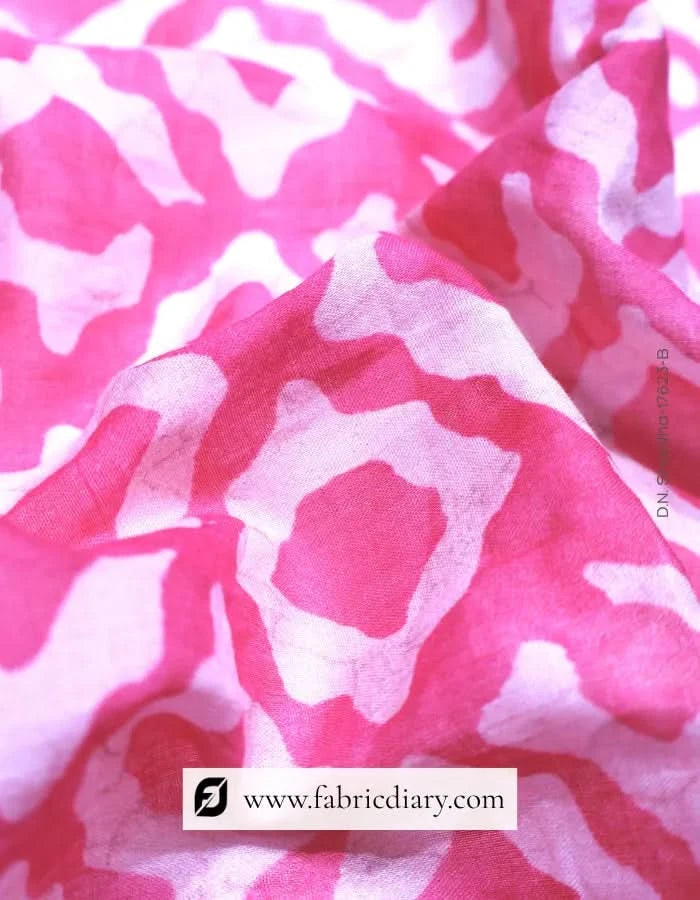
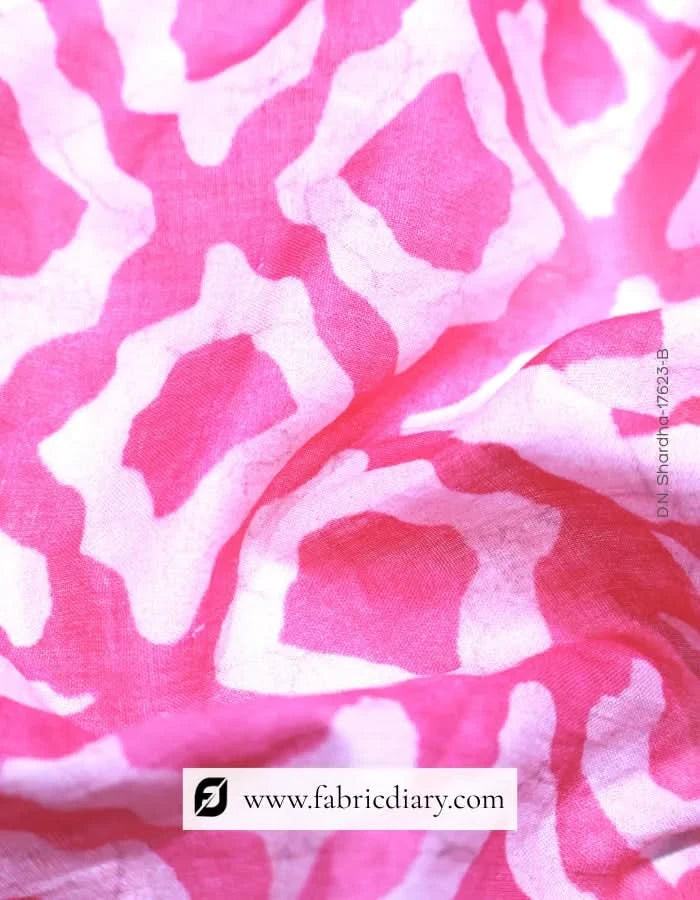
Digital Printed Cotton Fabric for Modern Clothing Designs
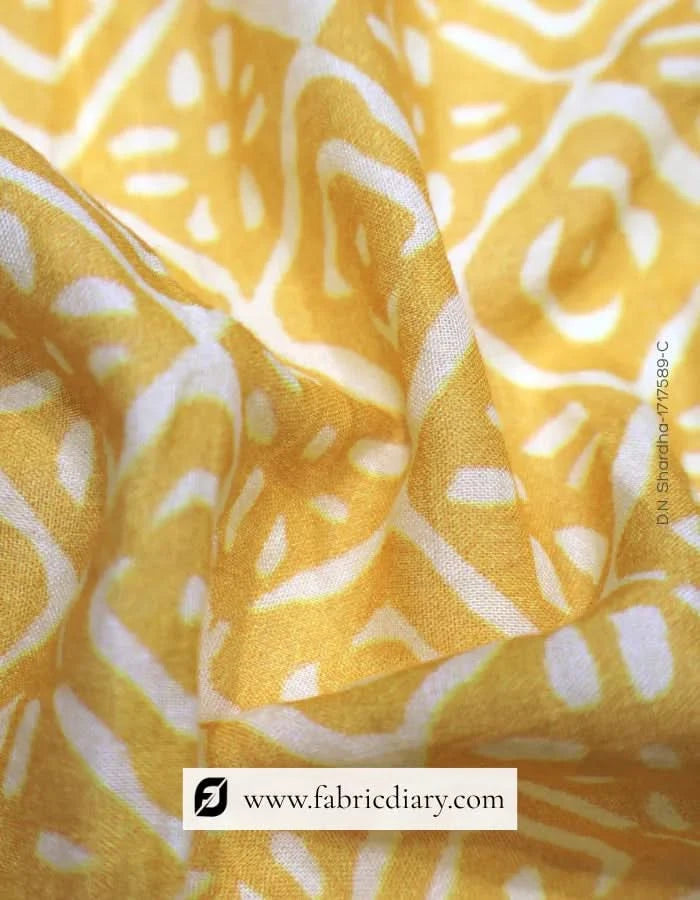
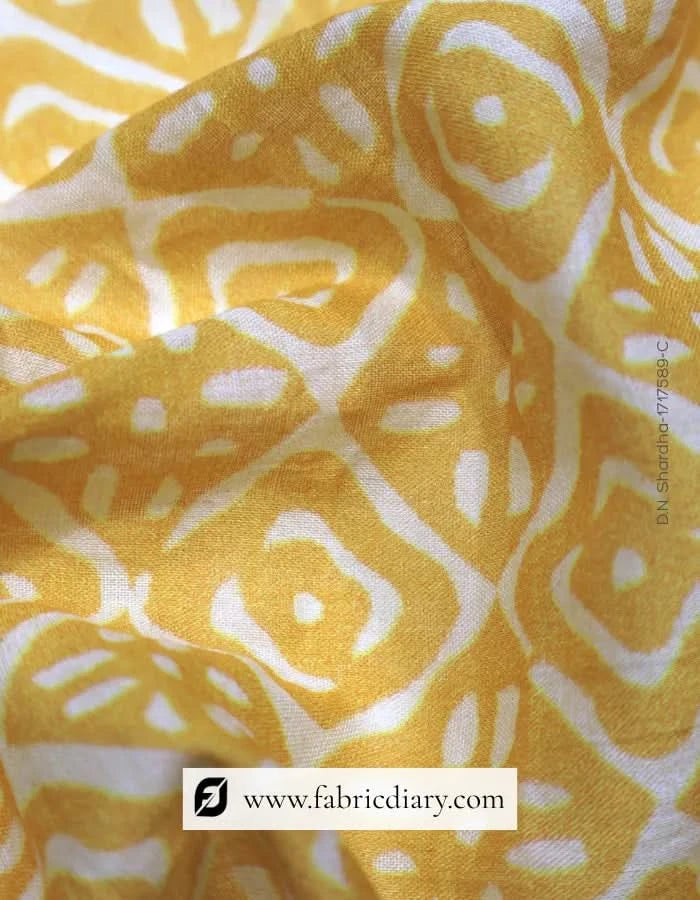
Premium Printed Cotton Fabric for Fashion Brands & Boutiques
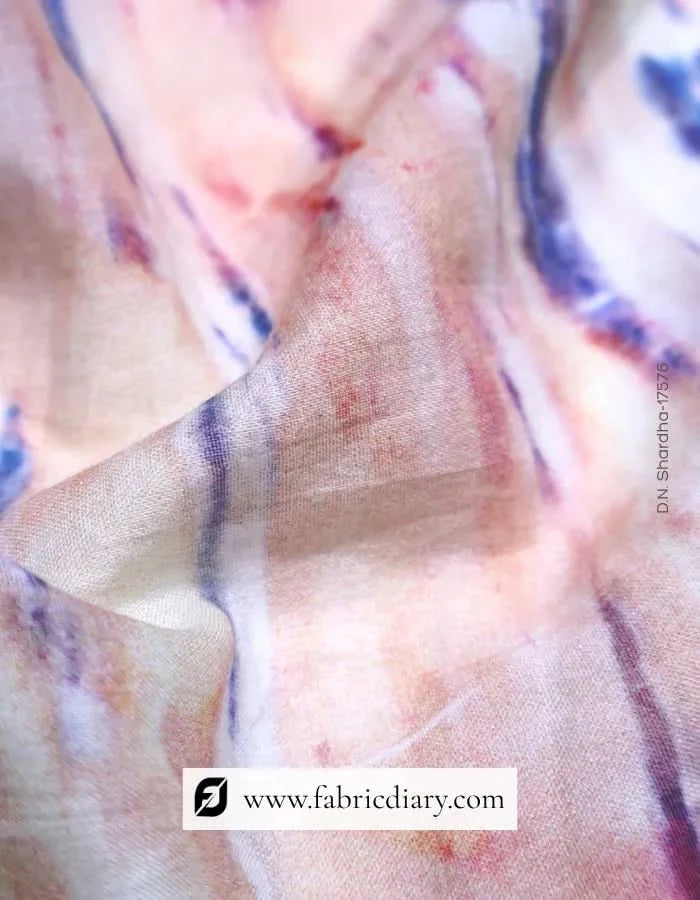
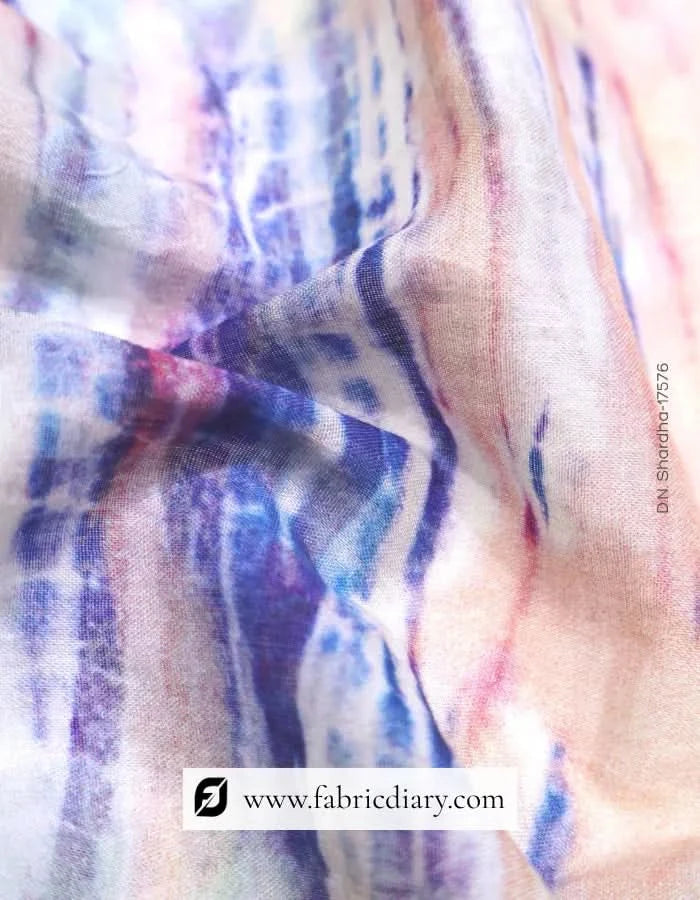
Soft Cotton Digital Print Fabric for Tailoring & Dressmaking
- Featured
- Most relevant
- Best selling
- Alphabetically, A-Z
- Alphabetically, Z-A
- Price, low to high
- Price, high to low
- Date, old to new
- Date, new to old
A distinctive animal print can help define an entire garment collection, but the artwork is only half the sourcing decision. The fabric beneath it determines how the motif looks, how the garment falls, how colours appear and whether the finished material suits the intended price point.
FabricDiary's Animal Printed Fabric collection is intended for buyers exploring animal-inspired designs across compatible fabric types. Depending on the specific design and material available, the visual direction may include leopard-like spots, zebra-inspired stripes, tiger-style markings, snakeskin effects, abstract animal textures or other wildlife-inspired artwork. These are design possibilities, not a guarantee that every motif is currently in stock.
The starting point is the intended product. A fluid dress may need a different base from a structured shirt, while a resortwear collection may prioritize a different combination of colour, print scale and fabric handling from a contemporary co-ord range.
Buyers can explore this pattern-led route alongside the wider By Pattern / Occasion collection. If the requirement is broader than animal artwork and involves comparing print categories or fabric-sourcing routes, the main Printed Fabric collection provides the wider starting point.
What Defines Animal Printed Fabric?
Animal Printed Fabric is defined by its visual language rather than a single fibre or construction. The print may imitate the markings, textures, spots or stripes associated with animal coats and skins, or reinterpret them through stylized shapes, enlarged motifs, irregular lines and contemporary colour combinations.
That distinction matters commercially. Two fabrics can carry similar leopard-inspired artwork yet produce very different garments because their surfaces, drape, opacity, sheen and body differ.
A buyer should therefore evaluate two connected elements:
The print: motif definition, scale, spacing, repeat alignment, background-to-motif contrast and colour accuracy.
The base fabric: composition, weave or knit structure, weight, surface texture, drape, transparency and suitability for the garment.
A print that looks sharp on a smooth surface may appear softer on a textured construction. A large, high-contrast motif can create a strong visual statement, while a smaller or more dispersed repeat may be easier to use across different garment shapes.
Neither approach is universally better. The right choice depends on the collection's visual identity, target customer, cutting plan and intended selling price.
Fabric bases: choose for the garment, not just the motif
Animal artwork can potentially be developed on compatible polyester, cotton, viscose, silk, georgette, chiffon, satin, crepe and blended constructions. Availability and printing suitability must be checked for the particular material and design.
Flowing constructions: Georgette, chiffon and suitable viscose fabrics may suit fluid dresses, skirts and resortwear when their transparency, drape and stability meet the brief.
Smooth or lustrous surfaces: Satin and selected silk-based fabrics can create a different visual effect, with the surface sheen influencing the perceived contrast of the artwork.
More structured or everyday options: Suitable cottons and blends may be considered for shirts, coordinated sets and casual fashion, depending on the fabric's body and intended use.
Alternative synthetic constructions: Polyester-based fabrics offer another sourcing route, but the actual fibre composition and finish still need to be confirmed.
These are selection directions rather than fixed product specifications. No universal width, GSM, composition or finish should be assumed for the whole collection.
Print Behaviour, Repeat Design and Fabric Performance
Animal artwork often depends on recognizable visual details. Spots must remain distinct, stripes should not become unintentionally distorted, and the background must support the motif rather than obscure it. The result depends on the interaction between artwork preparation, the fabric surface and the printing process.
Allover repeats versus engineered placements
For continuous fabric sold by the metre, an allover repeat is generally the most practical starting point. The motif is arranged to repeat across the usable fabric width and along its length. Buyers can cut different garment pieces from the same printed yardage without requiring each length to contain a single predetermined composition.
This is particularly useful for wholesalers, garment factories and brands producing multiple sizes or styles. Repeat dimensions and motif distribution should be assessed against the cutting layout, since an attractive print viewed flat may behave differently when divided into sleeves, side seams, collars and front panels.
An engineered or single-placement print is a different requirement. Artwork is positioned for a defined garment section or length, with deliberate control over the location of the main motif, surrounding space and any borders. This can be appropriate for a particular dress panel or a garment design that needs a controlled visual focal point.
Placement printing requires more planning around the garment template, usable width, cutting wastage and registration. Buyers needing this arrangement should discuss it through Position Printed Fabric or a custom-print development enquiry rather than assuming an ordinary allover repeat will provide the same result.
Which printing method is suitable?
The correct method depends on the base fabric and the production brief.
Digital textile printing can be suitable for sampling, smaller production requirements, multiple colourways and buyer-specific artwork. It is especially useful when a designer needs to assess a motif on a selected material before committing to a larger order. The ink system and pretreatment must be compatible with the fibre and finishing requirements.
Rotary or screen-based mill printing can become more economical for substantial, repeatable production runs. The artwork, repeat, colour separations and approval sample are finalized during development. Once the design is approved for production, the run is organized around consistent reproduction and production efficiency rather than unlimited design changes from one piece to another.
Pigment, reactive, disperse or other printing systems should not be treated as interchangeable. Their suitability depends on the fibre, equipment, pretreatment, fixation and required finish. A fabric-specific production recommendation should be confirmed before commercial approval.
Where Animal Prints Work Best
Animal prints are a visual design decision, so their garment application depends on both the motif and the base fabric. The same artwork can communicate very differently on a soft, flowing material compared with a firmer construction.
Dresses and skirts: Repeating motifs can create a continuous surface across panels, with scale chosen to suit the garment silhouette.
Shirts and blouses: Buyers should evaluate motif size around collars, plackets, cuffs and button positions to avoid awkward interruptions.
Co-ord sets: Repeat continuity and colour matching become especially important when the same print is used across a top and bottom.
Resortwear: Bold motifs and expressive colour combinations can suit a resortwear direction when the base fabric meets the required comfort, opacity and drape.
Selected occasionwear: A more fluid or lustrous base may support an elevated look, although fabric suitability and the intended finish should be checked rather than assumed.
For garment manufacturers, print scale should be assessed at the actual garment scale, not only on a small digital preview. For brands selling fabric by the metre, repeat consistency and usable width may matter more than a single striking placement.
Buyer Guide: Match the Artwork to the Order
The best sourcing decision starts with four questions: What animal-inspired effect is required? Which garment will use it? What fabric behaviour does that garment need? And how much material is required for sampling or production?
Small brands, boutiques and designers
For a small label testing a new design, digital printing can provide a practical development route when the requested material is compatible. It allows the buyer to compare artwork, adjust colourways and review the motif on the selected base before deciding whether to extend the program.
Ask for a sample that reflects the intended production material. A print viewed on a screen cannot confirm hand feel, transparency, drape or the final colour appearance on fabric.
Private-label brands and mid-size manufacturers
Buyers running a defined apparel program should evaluate repeat dimensions, print scale, colour approval and fabric consistency together. If the same artwork will be used across multiple styles, confirm how the repeat will work around garment seams and cutting layouts.
If the brief includes several fabric bases, assess each one separately. The same artwork file may require adjustments for surface, scale or colour reproduction on different materials.
Export houses, wholesalers and large-volume buyers
For substantial quantities, mill printing may offer better production economics where the fabric, design and production process are suitable. The repeat, colourways and approval sample should be settled before the full run is released.
Do not assume that a bulk price includes unlimited revisions after production begins. Changes to artwork, repeat, colour separations or fabric construction may require renewed development and approval.
Make the orientation explicit in your enquiry: “allover repeat for continuous yardage” or “engineered placement for a defined garment panel.” This helps the sourcing discussion focus on the correct artwork, sampling and costing route from the beginning.
Sourcing, Custom Development and Wholesale
FabricDiary buyers can approach animal-print sourcing through existing designs, a sampling requirement or a custom-development brief. The suitable route depends on available stock, fabric compatibility, artwork readiness and order volume.
Digital development for sampling and smaller runs
Digital printing is a useful option when the artwork is new, quantities are limited or a design needs to be evaluated before larger production. Buyers may request discussion around motif size, background colour, contrast, repeat spacing and compatible fabric choices.
For a custom brief, share the reference artwork or a clear visual direction, preferred base fabric, intended application and required quantity. If the design is inspired by a recognizable animal pattern, identify which features must remain consistent, such as spot distribution, stripe direction or scale.
Mill production for high-volume programs
For large production orders, rotary or screen printing may be the more appropriate route when the chosen construction and design are compatible with the process. Development typically involves artwork preparation, repeat finalization, colour separation where required, a sample or strike-off approval, and agreement on the production specification.
Customization belongs primarily in this development stage. Once the approved artwork enters the production run, repeatability and consistency become the priorities. The economics depend on the specific setup, material, print coverage, colours, finishing and volume; no universal break-even quantity should be assumed.
Before placing a production order, confirm the fabric composition, usable width, print orientation, colour approval method, finishing requirements, inspection expectations and shipping terms. If repeat orders are anticipated, retain an agreed reference sample and production specification to support future comparisons.
What to include in a custom-print enquiry
A useful brief contains:
Animal-print reference, artwork file or motif description.
Preferred base fabric, or permission to suggest suitable alternatives.
Required colours, motif scale and allover or placement orientation.
Intended garment and any transparency, drape or surface requirements.
Estimated quantity, sample requirement and target delivery destination.
Whether the project is a trial run, a repeat order or a high-volume production program.
These details help the sourcing team establish whether an existing design, digital development or bulk mill route is most appropriate. Actual stock, sampling availability, minimum order requirements and delivery timelines should be confirmed for the specific enquiry.
Global Market Demand: Design and Commercial Fit
Animal-print sourcing is not governed by one universal regional preference. Motif scale, colour, garment category and retail positioning vary between individual buyers, so regional observations should be treated as useful starting points rather than fixed rules.
North America and Europe: Private-label brands, boutique labels and designers may prioritize a distinctive print identity, documented fabric specifications and reliable colour reproduction for future orders. Smaller development runs can be useful when a collection is still being tested. Buyers should confirm fibre content, finishing details and any applicable compliance documentation rather than infer them from the print name.
West and Central Africa: Some buyers favour bold, high-contrast motifs and vivid colour combinations, with allover repeats often practical for continuous yardage and wholesale garment production. For price-sensitive volume programs, repeat efficiency, colour approval and dependable reproduction deserve particular attention.
Middle East: Animal-inspired designs may be used in contemporary fashion and occasionwear ranges where colour intensity, fabric surface and garment opacity matter. The base fabric should be evaluated against the intended silhouette and coverage requirements; the pattern itself does not guarantee suitable opacity.
For every region, the right buying route still depends on the individual order. A boutique testing a new print and an importer sourcing a high-volume program may serve different customers even when they request a similar motif.
How to Choose the Right Animal Printed Fabric
Animal Printed Fabric is a strong choice when the visual pattern is the defining feature of the collection and the buyer wants flexibility in selecting a compatible material.
It may not be the best starting point when the actual priority is a specific fibre, a defined fabric hand feel or a garment-engineered print position. In those cases, begin with the material or placement requirement and then confirm whether the animal artwork can be developed on that base.
Use these selection principles:
Choose the motif and scale according to the garment, not simply the appearance of a swatch.
Select the fabric construction for its required drape, surface, opacity and handling.
Check the printing system against the fibre composition and finish.
Decide whether continuous allover yardage or a defined placement is required.
Match digital development or bulk mill printing to the order's actual production needs.
Approve the relevant fabric sample and print reference before committing to a larger run.
This process reduces the risk of selecting an attractive design that proves unsuitable for the final garment or production plan.
Related Collections for Your Sourcing Brief
If your starting point is a visual pattern, continue exploring the pattern-led collection structure. If the material or production method is already defined, use the more specific sourcing route instead.
By Pattern / Occasion Print Fabric — the parent collection for visual and occasion-led discovery.
Printed Fabric — the main hub for the wider printed-fabric category.
Floral Printed Fabric — for flower-led motifs rather than animal-inspired markings.
Leaf Veil Print Fabric — for leaf-led visual effects and botanical direction.
Partywear Printed Fabric — for buyers beginning with a partywear application rather than an animal motif.
Evening Printed Fabric — for eveningwear-led fabric selection.
Position Printed Fabric — for designs that need a planned placement instead of a standard repeating pattern.
Custom Print Fabric — for buyer-specific artwork and custom print development.
By Blend & Poly Print Fabric — for buyers whose starting point is a blended or synthetic-based construction.
FAQ
1. What is Animal Printed Fabric?
Animal Printed Fabric is fabric decorated with animal-inspired motifs, including spot patterns, stripes, skin-like textures and stylized wildlife designs. Its identity comes from the artwork, not from one fixed fibre.
2. Is Animal Printed Fabric available on different fabric types?
Potentially, yes. Suitable bases may include polyester, cotton, viscose, silk, georgette, chiffon, satin, crepe and selected blends. Availability and print compatibility must be checked for the specific fabric and design.
3. Is every animal print available on every fabric?
No. Surface texture, fibre composition, construction and finishing influence how artwork reproduces. A design may need adjustments, or a different base may be recommended to achieve the intended appearance.
4. Which animal-print patterns can buyers request?
Buyers can discuss leopard-inspired spots, zebra-like stripes, tiger-style markings, snakeskin effects, abstract animal textures and other artwork directions. Specific designs and stock availability need confirmation.
5. Is animal print normally an allover design or a placement print?
Allover repeat is a practical starting point for continuous yardage sold by the metre. Engineered placement can also be developed when a garment panel or defined position requires planned artwork.
6. Can the same animal artwork be used on different fabric bases?
Possibly, but the artwork may need changes to scale, contrast, colour handling or repeat arrangement. Each base should be sampled and approved separately before production.
7. Which printing method is suitable for animal prints?
Digital printing can suit flexible development and smaller runs, while rotary or screen-based mill printing can suit substantial production volumes. The appropriate method depends on the fibre, artwork, finish and order requirements.
8. Can a boutique order a sample before committing to bulk production?
A buyer can enquire about sampling and the availability of the selected design and base fabric. The sample route, quantity, pricing and timing should be confirmed for the particular requirement.
9. What is the difference between digital printing and bulk mill printing?
Digital printing is useful for sampling, smaller runs and buyer-specific artwork development. Bulk mill printing is designed for larger production programs, with artwork, repeat and colour approvals finalized during development rather than changed freely throughout the run.
10. Can I customize the colours and motif size?
Custom development may allow discussion of colourways, motif scale, background, repeat spacing and artwork adjustments. Feasibility depends on the chosen fabric, print method and production brief.
11. Is Animal Printed Fabric suitable for dresses and co-ord sets?
It can be, provided the selected base fabric meets the garment's requirements. Buyers should assess drape, opacity, print scale and how the repeat will align across separate garment pieces.
12. Can animal prints be used for shirts and blouses?
Yes, where the material suits the garment. Check how the print falls around collars, plackets, cuffs and seams so that important motifs are not unintentionally cut off or misaligned.
13. How should I choose the fabric weight and drape?
Start with the intended garment and desired silhouette. Fluid garments may require a softer, more flexible base, while structured styles may need more body. Actual weight and drape must be confirmed for the selected fabric rather than inferred from the animal-print category.
14. Will the fabric be transparent?
Transparency depends on the particular base fabric, construction, colour and finish. The animal motif does not determine opacity. Request a sample if coverage is important for the garment.
15. Can FabricDiary discuss wholesale and high-volume requirements?
Buyers can submit their required design, fabric preference and estimated quantity for a sourcing discussion. Stock status, applicable minimum quantities, pricing and production availability must be confirmed for the specific order.
16. Is bulk mill printing suitable for custom animal artwork?
It can be suitable for high-volume programs where the fabric and process support the design. Artwork, colour separation, repeat dimensions and approval samples should be finalized before the production run begins.
17. What should an international buyer provide when requesting a quotation?
Share the destination country, required quantity, intended garment, preferred fabric or acceptable alternatives, artwork reference, print orientation and sample requirements. These details help clarify production and shipping requirements.
18. What should African wholesale buyers consider when sourcing animal prints?
For buyers targeting markets where bold, high-contrast patterns are preferred, motif scale, colour definition, continuous repeat and price per metre may be particularly important. The actual specification should be based on the target customers and garment program.
19. How can European or North American private-label brands plan repeat orders?
Confirm the fabric specification, approved print reference, colourway, repeat dimensions and finishing requirements. Keep an approved sample for comparison and ask the supplier how repeat-order colour matching and production tolerances are handled.
20. What is the best way to start an Animal Printed Fabric enquiry?
Provide the motif reference, preferred base fabric, intended garment, approximate quantity and whether you need an allover repeat or engineered placement. FabricDiary can then discuss suitable sampling, custom development or bulk production options.
Ready to develop your animal-print collection? Send FabricDiary your artwork or design reference, preferred fabric, required quantity and destination. Request a sample or discuss custom development before moving to bulk production.
FabricDiary Global B2B Sourcing Desk
Direct textile manufacturing facility supplying premium fabrics to Apparel Buying Houses, Fashion Merchandisers, Garment Exporters, and Boutique Labels across North America, Europe, the Middle East, and Africa.
Ready Stock MOQ
1 Meter (Immediate Dispatch)
Custom Production MOQ
30 Mtr (Dyes/Prints) | 300 Pcs (Patches)
Trims & Laces MOQ
Standard 9-Meter Rolls
Trade & Shipping Terms
FOB, CIF, DDP Air/Sea Freight
Read More about Animal Printed fabric