
Sequins Embroidery Fabric
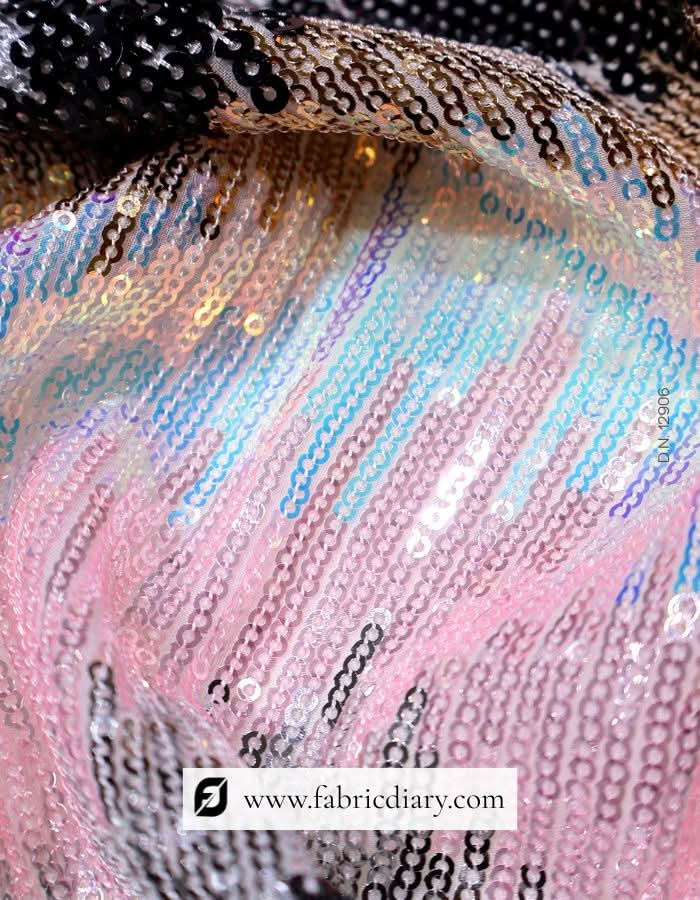
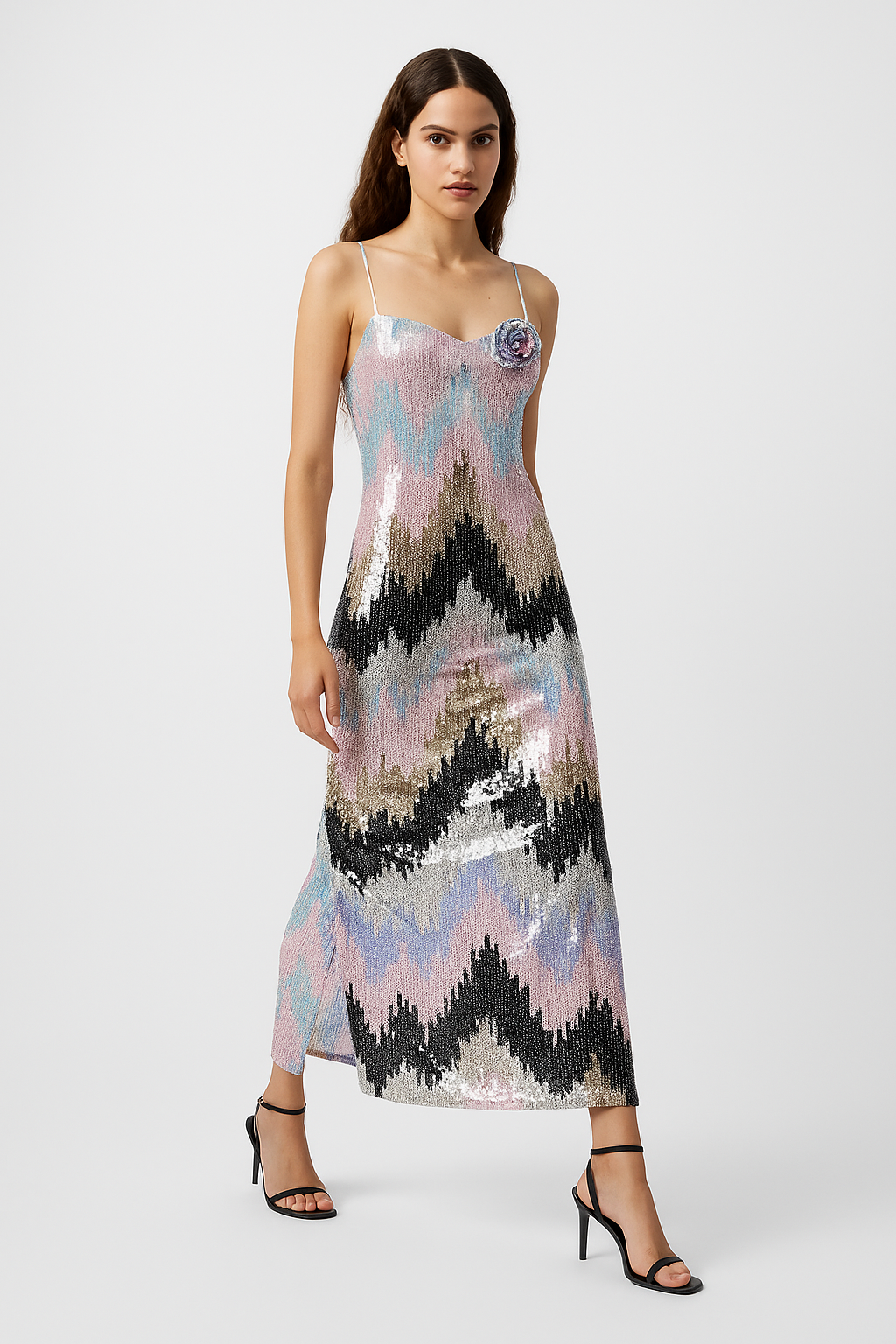
Multicolor Lining Sequin Fabric for Luxury Garments #12906


Black Georgette with Gold Sequins Embroidery Fabric for Dresses 7602


Georgette Lining Sequin Embroidered Fabric - 9120


3 mm Mini Red & Black Sequins Fabric Material - 1516-J


3 mm Mini Light Gold & Rich Gold Sequins Fabric Material - 1516-E


Designer Black Square Sequin Fabric for Men #11874


Black & White Chess Plaid 5mm Sequin Fabric for Dresses #12554


3mm & 5mm Sequin Fabric for Designer Womens Dress #12512


Crystal Red Sequins & Beads Embroidery on Black Mesh Lace Fabric


Cross-Lining Sequins Fabric with Viscose Thread Work #11344


Pink & Gold Designer Sequins Fabric for Garment Creation – #11853


Beautiful Pink & Gold Sequins Embroidery Fabric #11852
- Featured
- Most relevant
- Best selling
- Alphabetically, A-Z
- Alphabetically, Z-A
- Price, low to high
- Price, high to low
- Date, old to new
- Date, new to old
Sequins Embroidery Fabric is one of the most commercially influential categories in decorative fashion textiles, recognized for its ability to create brilliance, movement, and luxury through precisely stitched sequins integrated into embroidered designs. From international couture runways and red-carpet fashion to bridalwear, evening gowns, festive apparel, and premium occasion wear, sequins embroidery has become an essential material for designers seeking fabrics with exceptional visual impact.
Unlike decorative textiles that rely solely on threadwork or woven structures, Sequins Embroidery Fabric introduces controlled surface reflection using sequins available in a wide variety of sizes, shapes, finishes, and colors. As garments move under natural daylight or artificial lighting, the embroidered sequins produce dynamic shimmer that enhances the overall appearance without compromising the structural integrity of the fabric when manufactured to commercial standards.
The global fashion industry continues to embrace sequins embroidery because it successfully bridges luxury aesthetics with scalable production. Modern embroidery technology enables manufacturers to create intricate sequin layouts with remarkable consistency, allowing brands to develop collections ranging from subtle contemporary designs to elaborate couture garments. This versatility has positioned sequins embroidery as a preferred textile for premium apparel manufacturers, fashion retailers, export houses, costume designers, luxury boutiques, and private-label brands serving international markets.
As a specialized category within Embroidered Fabric, Sequins Embroidery Fabric offers a distinctive commercial identity. While other embroidery techniques emphasize texture, openwork, or handcrafted ornamentation, sequins embroidery focuses on light interaction, decorative brilliance, and sophisticated surface embellishment. The controlled placement of sequins through embroidery ensures durability, repeat accuracy, and production efficiency, making the fabric suitable for both limited-edition designer collections and large-scale apparel manufacturing.
For buyers, designers, and sourcing professionals, Sequins Embroidery Fabric represents more than an embellishment—it is a strategic material that enhances product differentiation, strengthens premium brand positioning, and increases perceived garment value. Whether incorporated into bridal couture, luxury eveningwear, fashion-forward separates, performance costumes, or contemporary occasion wear, sequins embroidery enables collections to achieve strong visual identity in competitive retail environments.


At FabricDiary, this collection serves as both a premium sourcing destination and an educational resource for textile buyers. Along with exploring Sequins Embroidery Fabric, visitors are encouraged to understand the broader Embroidered Fabric category to compare embroidery techniques, manufacturing methods, and fabric applications that best align with their design and sourcing objectives.
What is Sequins Embroidery Fabric?
Sequins Embroidery Fabric is a decorative textile in which sequins are securely attached to a base fabric through embroidery stitching, forming coordinated patterns, motifs, or all-over decorative layouts. Unlike fabrics where embellishments are simply glued or heat-bonded to the surface, sequins embroidery integrates each sequin into the embroidery structure, resulting in improved durability and greater suitability for garment manufacturing.
Sequins are available in numerous configurations, including flat, cupped, holographic, metallic, matte, iridescent, transparent, laser-cut, and specialty finishes. Depending on the intended design, manufacturers may use a single sequin size or combine multiple dimensions to create layered visual effects that respond differently to light and movement.
Production is primarily carried out using advanced computerized embroidery machines equipped with specialized sequin attachment devices. These systems synchronize embroidery stitching with automated sequin placement, ensuring precise positioning, uniform spacing, and repeat consistency throughout the fabric. For luxury couture or limited-edition developments, skilled artisans may further enhance machine embroidery with hand-applied sequins to achieve greater design complexity.
The manufacturing process begins with selecting a base fabric capable of supporting both embroidery density and sequin weight. Designers then create digital embroidery layouts that determine sequin orientation, spacing, stitch paths, and decorative coverage. Every design is engineered to balance aesthetics, flexibility, garment comfort, and production efficiency.
Commercially, Sequins Embroidery Fabric occupies a premium position within the global fashion textile industry. It is widely used for garments that require visual brilliance, including evening dresses, cocktail gowns, bridal ensembles, stage costumes, fashion jackets, designer tops, luxury skirts, festive apparel, and high-end accessories.
Unlike reflective embellishments that create isolated highlights, sequins embroidery generates continuous light play across the garment surface. This characteristic makes the fabric particularly valuable for collections intended for fashion events, celebrations, entertainment, luxury retail, destination weddings, and contemporary couture.
Because sequins vary extensively in material, finish, density, and arrangement, manufacturers can develop fabrics ranging from understated elegance to dramatic statement textiles. This adaptability allows Sequins Embroidery Fabric to serve diverse fashion segments while maintaining its identity as one of the industry's most versatile decorative textile categories.
Key Characteristics of Sequins Embroidery Fabric
Sequins Embroidery Fabric combines decorative brilliance with engineered embroidery construction. Its performance is determined by the relationship between the base fabric, sequin quality, embroidery precision, and finishing techniques.
Dynamic Surface Brilliance
The defining characteristic of Sequins Embroidery Fabric is its ability to reflect light continuously as the garment moves. Carefully positioned sequins capture illumination from multiple angles, creating a lively appearance that enhances both fashion photography and in-person presentation.
Unlike static embellishments, sequins introduce visual movement that changes according to lighting conditions and wearer motion.
Decorative Depth
Sequins create a layered surface where embroidery thread and reflective components work together to produce dimension. Designers can manipulate density, overlap, spacing, and orientation to achieve effects ranging from delicate sparkle to dramatic all-over brilliance.
This flexibility supports both minimalist luxury and highly embellished couture collections.
Fluid or Structured Drape
The drape of Sequins Embroidery Fabric depends on embroidery coverage and base fabric selection. Lightweight sequin arrangements on mesh or georgette retain graceful movement, while dense all-over embroidery on velvet or satin creates more structured silhouettes suitable for formalwear.
Balancing decorative coverage with fabric flexibility is an important aspect of successful garment engineering.
Fabric Weight
The finished weight varies according to:
Sequin size
Sequin thickness
Embroidery density
Thread construction
Base fabric composition
Designers must evaluate weight carefully to ensure garments remain comfortable while achieving the intended decorative effect.
Comfort
Modern sequin embroidery emphasizes wearer comfort through lightweight materials, precision stitching, and smooth reverse-side finishing.
Quality fabrics minimize friction by securing sequins effectively and reducing unnecessary thread buildup beneath the embroidery.
This allows the fabric to perform well in garments requiring extended wear, including evening gowns, bridal outfits, and stage costumes.
Durability
Commercial-quality Sequins Embroidery Fabric is designed to withstand cutting, sewing, transportation, and normal garment use.
Durability depends on:
Secure sequin attachment
High-quality embroidery thread
Balanced stitch density
Stable base fabric
Proper finishing
Well-manufactured fabrics experience minimal sequin loss during garment production and everyday wear.
Extensive Design Possibilities
Sequins embroidery supports virtually unlimited creative development.
Manufacturers can produce:
Floral compositions
Abstract artwork
Geometric layouts
Linear designs
Art Deco patterns
Contemporary fashion motifs
Nature-inspired themes
Luxury all-over embroidery
By combining different sequin finishes and embroidery techniques, designers can create distinctive textiles for diverse consumer markets.
Premium Fashion Appeal
Sequins have long been associated with glamour, celebration, luxury, and fashion-forward design.
Their visual richness enhances the perceived value of garments, enabling brands to develop premium collections that command stronger retail positioning across bridalwear, evening fashion, festive apparel, couture, and luxury prêt-à-porter.
Manufacturing Process of Sequins Embroidery Fabric
Producing high-quality Sequins Embroidery Fabric requires close coordination between textile designers, embroidery programmers, machine technicians, production planners, and quality control specialists. Every stage influences the finished fabric's appearance, durability, and manufacturing performance.
1. Base Fabric Selection
The production process begins with selecting an appropriate substrate capable of supporting embroidery tension and decorative embellishment.
The chosen fabric must provide:
Dimensional stability
Smooth embroidery performance
Appropriate drape
Needle compatibility
Garment suitability
Base fabric selection is determined by the intended fashion application and embroidery coverage.
2. Embroidery Design Development
Designers develop embroidery layouts using specialized CAD software.
During this stage they define:
Motif placement
Repeat dimensions
Stitch paths
Sequin positioning
Embroidery density
Decorative coverage
Prototype sampling allows both aesthetic evaluation and production testing before commercial manufacturing begins.
3. Sequin Selection
Sequins are selected according to design objectives and garment performance requirements.
Manufacturers evaluate:
Diameter
Shape
Material
Thickness
Reflective finish
Color consistency
Heat resistance
Sewing compatibility
The selection process directly influences the final appearance and durability of the fabric.
4. Computerized Sequin Embroidery
Modern production is carried out using computerized embroidery machines equipped with automated sequin attachment mechanisms.
These systems perform:
Automatic sequin feeding
Precise positioning
Controlled stitching
Repeat synchronization
Consistent embroidery quality
Machine programming ensures each sequin is securely stitched while maintaining accurate alignment across the production run.
5. Finishing Operations
After embroidery, the fabric passes through several finishing stages to improve appearance and prepare it for garment manufacturing.
Typical finishing processes include:
Thread trimming
Surface cleaning
Steam finishing
Fabric relaxation
Final pressing
Visual inspection
Careful handling during finishing protects the sequins from scratches, deformation, or unnecessary abrasion.
6. Inspection and Quality Control
Every production lot undergoes comprehensive inspection before packing.
Quality control teams verify:
Sequin attachment strength
Embroidery precision
Repeat consistency
Thread quality
Fabric stability
Surface cleanliness
Color uniformity
Overall presentation
Only fabrics meeting established commercial standards proceed to packing and export, ensuring buyers receive products suitable for premium garment manufacturing and international fashion markets.
Common Base Fabrics Used for Sequins Embroidery Fabric
The performance, appearance, and commercial value of Sequins Embroidery Fabric are heavily influenced by the choice of base fabric. While sequins provide brilliance and decorative appeal, the underlying textile determines how the fabric drapes, how comfortably it can be worn, and how efficiently it performs during garment manufacturing.
Different fashion segments require different fabric foundations. Luxury eveningwear may demand fluid movement and elegant shine, while bridal couture often requires greater structure and embroidery support. Selecting the appropriate base fabric ensures that the sequins remain securely attached while delivering the desired aesthetic and functional characteristics.
Net Fabric
Net remains one of the most preferred bases for sequins embroidery because of its lightweight structure and transparent appearance. The open construction allows sequins to appear as though they are floating across the garment, creating a sophisticated illusion that is highly valued in couture fashion.
Designers frequently use sequins embroidered net for:
Evening gowns
Bridal veils
Cape overlays
Statement sleeves
Cocktail dresses
Designer dupattas
Its ability to support intricate embroidery while maintaining graceful movement makes net an industry favorite for luxury collections.
Georgette
Georgette offers a balanced combination of softness, fluidity, and embroidery stability. Unlike extremely sheer fabrics, it provides enough body to support decorative sequin work while retaining elegant drape.
Sequins embroidered georgette is commonly selected for:
Sarees
Kaftans
Contemporary dresses
Tunics
Occasion kurtis
Resort collections
Its wrinkle-resistant nature and comfortable wearability also make it attractive for international apparel brands.
Organza
Organza provides a crisp, translucent surface that emphasizes the brilliance of sequins without overwhelming the garment.
Because of its structured character, organza is often chosen for:
Couture gowns
Layered skirts
Bridal overlays
Statement sleeves
Luxury fashion separates
Designers frequently combine sparse sequin layouts with organza to create elegant fabrics that remain lightweight while delivering visual sophistication.
Satin
The natural sheen of satin enhances the reflective qualities of sequins, creating textiles with remarkable visual richness.
Satin-based sequins embroidery performs particularly well in:
Evening dresses
Cocktail gowns
Luxury blouses
Red-carpet fashion
Formal occasion wear
The smooth fabric surface also supports clean embroidery execution and refined finishing.
Velvet
Velvet introduces depth and richness that contrasts beautifully with sparkling sequins.
Luxury fashion houses often select velvet as the foundation for:
Winter bridalwear
Designer jackets
Formal capes
Evening coats
Festive garments
Couture collections
Its plush texture creates dramatic visual contrast, making sequins appear even more luminous.
Silk
Silk remains one of the most prestigious substrates for sequins embroidery.
Its premium appearance, natural drape, and elegant surface complement decorative embroidery without competing for attention.
Silk-based sequins fabrics are frequently used in:
Bridal couture
Luxury sarees
Designer lehengas
Evening gowns
High-fashion garments
These fabrics typically occupy the premium end of the international fashion market.
Cotton
Although less common than sheer luxury fabrics, cotton provides an excellent foundation for lightweight sequins embroidery intended for contemporary fashion.
Applications include:
Festive tops
Tunics
Summer jackets
Designer shirts
Casual fusion wear
Cotton enables brands to introduce decorative sequins into collections designed for greater comfort and everyday wearability.
Jacquard
Jacquard fabrics already contain woven decorative structures, making them an excellent choice for premium layered textile development.
When combined with sequins embroidery, jacquard creates luxurious fabrics suitable for:
Structured lehengas
Bridal jackets
Occasion coats
Fashion blazers
Luxury ethnic wear
The interaction between woven texture and reflective embellishment produces textiles with exceptional depth and sophistication.
Garment Applications of Sequins Embroidery Fabric
Sequins Embroidery Fabric has become one of the most versatile decorative textiles in the global fashion industry. Its adaptability allows designers to create garments ranging from subtle luxury pieces to dramatic statement fashion.
Rather than functioning as a seasonal trend, sequins embroidery continues to evolve across bridal, evening, resort, couture, entertainment, and contemporary ready-to-wear collections.
Evening Gowns
Evening gowns represent one of the largest commercial applications for sequins embroidery.
Strategically positioned sequins enhance movement under artificial lighting, making gowns especially suitable for formal events, galas, luxury parties, fashion shows, and red-carpet occasions.
Designers often vary embroidery density to highlight specific garment panels while preserving fluid silhouette movement.
Bridal Wear
Bridal fashion continues to be a major market for sequins embroidered fabrics.
Sequins are incorporated into:
Bridal gowns
Reception dresses
Lehengas
Veils
Dupattas
Bridal capes
Rather than relying exclusively on heavy embellishment, many contemporary bridal collections use sequins selectively to create refined elegance with controlled sparkle.
Sarees
Sequins embroidered sarees remain popular across both domestic and export markets.
Design variations include:
All-over embroidery
Decorative pallus
Border embellishment
Scattered motifs
Designer panels
The versatility of sequins allows sarees to transition from festive occasions to luxury evening events.
Lehengas
Luxury lehengas frequently combine sequins embroidery with threadwork, zari, beadwork, or tonal embroidery to create layered decorative surfaces.
Designers manipulate sequin density to enhance garment movement while maintaining visual balance throughout the silhouette.
Cocktail Dresses
Cocktail fashion relies heavily on sequins because of their ability to create elegant brilliance without excessive ornamentation.
Sequins embroidered fabrics support:
Bodycon dresses
A-line silhouettes
Contemporary gowns
Fashion mini dresses
Premium occasion wear
Modern layouts often emphasize geometric or abstract embroidery for a sophisticated appearance.
Fashion Jackets
Statement jackets featuring sequins embroidery have become increasingly popular across luxury fashion and contemporary designer collections.
Applications include:
Cropped jackets
Structured blazers
Evening outerwear
Fashion bombers
Ethnic jackets
These garments often serve as statement pieces within seasonal collections.
Tops and Blouses
Luxury blouses and designer tops use sequins embroidery to elevate otherwise simple silhouettes.
Fashion brands frequently apply embroidery selectively across:
Necklines
Sleeves
Front panels
Shoulders
Yokes
This targeted embellishment maintains comfort while introducing premium decorative value.
Stage Costumes
Entertainment and performance industries consistently demand sequins embroidery because of its exceptional visibility under theatrical lighting.
Applications include:
Dance costumes
Performance outfits
Concert apparel
Television costumes
Fashion show garments
The reflective properties of sequins enhance stage presence while supporting dynamic movement.
Resort and Cruise Wear
Luxury resort fashion increasingly incorporates lightweight sequins embroidery into relaxed silhouettes.
Popular garments include:
Kaftans
Beach cover-ups
Maxi dresses
Designer tunics
Vacation collections
Subtle sequin embroidery provides elegance suitable for destination fashion without overwhelming casual styling.
Why Fashion Brands Use Sequins Embroidery Fabric
Sequins Embroidery Fabric has evolved beyond decorative embellishment to become a strategic material for premium product development. It enables brands to create garments that attract attention, reinforce luxury positioning, and deliver strong visual identity across diverse fashion segments.
High Visual Impact
Sequins immediately capture light, making garments more noticeable both in physical retail environments and digital commerce.
This enhanced visual appeal contributes to stronger product presentation, fashion photography, social media visibility, and merchandising performance.
Luxury Brand Positioning
Consumers consistently associate sequins with celebration, sophistication, and premium fashion.
By incorporating sequins embroidery into seasonal collections, brands strengthen their luxury image while expanding product offerings for weddings, parties, evening events, and festive occasions.
Extensive Creative Freedom
Sequins embroidery supports remarkable design flexibility.
Manufacturers can customize:
Sequin size
Shape
Finish
Density
Pattern layout
Embroidery thread
Color combinations
This versatility allows designers to translate diverse creative concepts into commercially viable textiles.
Enhanced Collection Diversity
Fashion brands rarely rely on a single decorative textile.
Sequins embroidery allows collections to include products ranging from understated elegance to dramatic statement garments, enabling broader consumer appeal while maintaining a consistent design language.
Increased Perceived Value
Decorative embroidery naturally enhances the premium perception of finished garments.
Even relatively simple garment constructions achieve elevated retail positioning when produced using high-quality sequins embroidered fabrics.
This contributes to improved merchandising opportunities and stronger commercial performance.
Compatibility with Industrial Manufacturing
Advancements in computerized sequin embroidery have significantly improved production efficiency.
Manufacturers can now achieve:
Consistent embroidery quality
Faster production cycles
Accurate repeatability
Reliable export standards
Large-scale manufacturing capacity
This combination of luxury aesthetics and scalable production makes Sequins Embroidery Fabric one of the most commercially valuable decorative textiles in today's global apparel industry.
Buyer Guide for Sequins Embroidery Fabric
Purchasing Sequins Embroidery Fabric requires a deeper evaluation than selecting an attractive design. Since sequins directly affect garment aesthetics, production efficiency, comfort, and durability, professional buyers should assess both decorative and technical characteristics before placing commercial orders.
Whether sourcing for luxury fashion houses, bridal labels, garment exporters, boutique brands, wholesalers, or private-label collections, understanding commercial specifications helps reduce production risks while ensuring consistent product quality.
Understanding GSM (Fabric Weight)
GSM (Grams per Square Meter) plays a significant role in determining how the finished garment performs. Unlike plain embroidered textiles, sequins add measurable weight to the base fabric, making the finished GSM considerably higher than the original substrate.
General commercial ranges include:
| Fabric Category | Approximate Finished GSM |
|---|---|
| Lightweight Sequins Embroidery | 100–170 GSM |
| Medium Decorative Fabrics | 170–280 GSM |
| Heavy Couture & Bridal Fabrics | 280–450+ GSM |
The ideal GSM depends on the intended application. Lightweight constructions work well for dresses, overlays, and resort wear, while higher GSM fabrics are preferred for bridal gowns, structured jackets, couture garments, and premium occasion wear.
Fabric Width
Commercial Sequins Embroidery Fabric is commonly manufactured in widths suitable for apparel production.
Typical widths include:
44–48 inches for traditional ethnic fabrics
52–56 inches for fashion apparel
58–60 inches for export garment manufacturing
When evaluating width, buyers should confirm the usable embroidered area, especially for directional layouts, border embroidery, or engineered panel designs.
Minimum Order Quantity (MOQ)
MOQ varies according to production complexity and customization requirements.
Typical buying options include:
Sampling: 1–10 meters
Boutique collections: 30–100 meters
Designer production: 100–300 meters
Commercial manufacturing: 300–1,000 meters
Export programs: 1,000–5,000+ meters
Custom sequin developments often require higher MOQs due to machine programming, tooling, sampling, and production setup.
Sampling and Prototype Development
Professional sourcing begins with comprehensive sampling.
A complete sampling program enables buyers to assess:
Fabric appearance
Sequin finish
Embroidery quality
Drape characteristics
Garment compatibility
Stitch security
Cutting behavior
Sewing performance
Overall commercial suitability
Prototype garments also allow designers to evaluate how sequins interact with garment movement, lighting conditions, and styling concepts.
Production Lead Times
Manufacturing schedules depend on embroidery density, sequin complexity, order volume, and customization.
Typical lead times include:
| Order Type | Estimated Lead Time |
|---|---|
| Stock Programs | 3–7 days |
| Shade Development | 10–18 days |
| New Embroidery Sampling | 2–4 weeks |
| Bulk Manufacturing | 4–8 weeks |
| Large Export Orders | 8–12 weeks |
During peak bridal and festive seasons, production planning should begin well in advance to secure embroidery machine capacity.
Production Planning
Sequins embroidery requires careful coordination between textile production and garment manufacturing.
Important planning considerations include:
Embroidery repeat dimensions
Pattern placement
Cutting layout optimization
Seam compatibility
Needle selection
Garment weight
Lining requirements
Packaging protection
Export carton configuration
Early planning helps reduce production waste and improves overall manufacturing efficiency.
Commercial Buying Checklist
Before confirming production, buyers should verify:
Consistent sequin attachment
Accurate embroidery placement
Uniform stitch density
Stable fabric construction
Even color distribution
Scratch-free sequins
Clean finishing
Proper thread trimming
Batch consistency
Packaging quality
Documented inspection procedures improve supply chain reliability and minimize post-delivery quality claims.
Global Market Demand for Sequins Embroidery Fabric
Sequins Embroidery Fabric enjoys widespread international demand because it serves multiple fashion sectors, including luxury eveningwear, bridal couture, festive apparel, entertainment costumes, designer prêt-à-porter, and contemporary fashion.
Unlike highly regional embroidery styles, sequins have universal appeal, allowing manufacturers to supply diverse markets with customized aesthetics.
North America
North American buyers increasingly favor sequins embroidery for fashion collections that balance glamour with wearable elegance.
Popular preferences include:
Lightweight mesh fabrics
Tonal sequins
Matte finishes
Contemporary geometric embroidery
Sustainable material options
Evening and cocktail collections
Demand is driven by fashion retailers, bridal designers, boutique labels, and occasion-wear specialists.
Europe
European markets generally emphasize refinement rather than excessive embellishment.
Common sourcing preferences include:
Monochromatic embroidery
Transparent sequins
Soft metallic finishes
Luxury silk bases
Minimalist layouts
Couture-quality workmanship
Sequins embroidery is widely used in luxury ready-to-wear, designer gowns, premium blouses, and fashion-forward outerwear.
Middle East
The Middle East remains one of the strongest global destinations for premium sequins embroidered fabrics.
Buyers often seek:
Rich all-over embroidery
Metallic sequins
Large decorative motifs
Evening gowns
Bridal couture
Luxury kaftans
Formal abayas
High-quality finishing and sophisticated embroidery execution are essential for this premium market.
South Asia
South Asia represents a major production and consumption hub for sequins embroidery.
The fabric is widely used in:
Wedding collections
Festive apparel
Designer lehengas
Sarees
Contemporary ethnic wear
Fashion exhibitions
Seasonal festivals and bridal celebrations continue to support strong commercial demand throughout the region.
Australia
Australian fashion brands increasingly incorporate sequins embroidery into:
Resort collections
Cruise fashion
Boutique eveningwear
Designer dresses
Contemporary separates
Lightweight constructions and subtle embellishment perform particularly well in this market.
Africa
Several African fashion markets demonstrate growing demand for premium decorative textiles.
Sequins embroidery is commonly used for:
Luxury traditional garments
Occasion dresses
Boutique fashion
Performance costumes
Designer collections
Exporters supplying these regions often prioritize durability, vibrant color options, and flexible order quantities.
Global Fashion Trends Influencing Demand
The continued popularity of Sequins Embroidery Fabric is supported by evolving consumer preferences and fashion innovation.
Key trends include:
Red-carpet inspired fashion
Modern bridal couture
Luxury eveningwear
Destination weddings
Festive capsule collections
Statement party dressing
Premium resort fashion
Stage and entertainment costumes
Fashion influencer styling
High-impact visual merchandising
As global consumers increasingly seek garments that combine elegance with individuality, Sequins Embroidery Fabric remains one of the industry's most commercially significant decorative textiles. Its adaptability across cultures, fashion segments, and price points ensures sustained demand from designers, manufacturers, exporters, and international sourcing professionals alike.
Quality Evaluation Guide for Sequins Embroidery Fabric
The commercial value of Sequins Embroidery Fabric depends not only on its visual appeal but also on the precision of its construction. Even a beautifully designed fabric can create manufacturing challenges if sequins are poorly attached, embroidery tension is inconsistent, or the base fabric lacks stability.
Professional buyers, garment manufacturers, fashion brands, and quality control teams therefore evaluate sequins embroidery using technical inspection standards rather than appearance alone. A structured quality assessment helps ensure production consistency, minimizes defects, and improves the performance of finished garments throughout their lifecycle.
Sequin Attachment Security
The primary quality indicator is how securely each sequin is stitched onto the fabric.
Inspection should verify:
Firm sequin fixation
Uniform stitch locking
No loose or partially attached sequins
Proper anchoring at stitch intersections
Minimal sequin movement after handling
Random pull tests are commonly performed during production to confirm that sequins remain securely attached under normal garment manufacturing conditions.
Embroidery Precision
High-quality sequins embroidery should maintain consistent embroidery execution throughout the production lot.
Inspectors evaluate:
Accurate motif formation
Clean stitch paths
Consistent embroidery density
Balanced thread tension
Repeat uniformity
Smooth embroidery transitions
Poor embroidery precision often becomes highly visible on large garment panels where decorative patterns must align perfectly.
Sequin Alignment
Unlike decorative beads or thread embroidery, sequins create reflective surfaces that immediately expose irregular positioning.
Quality assessment should confirm:
Uniform sequin orientation
Even spacing
Correct overlap
Consistent directional placement
Symmetrical design execution
Proper alignment contributes significantly to the fabric's overall luxury appearance.
Surface Finish
Sequins should maintain their decorative finish throughout production.
Inspect for:
Scratch-free surfaces
Uniform gloss or matte effect
Consistent reflective quality
No discoloration
No manufacturing residue
Damaged sequins reduce the premium perception of the finished garment and may affect retail presentation.
Fabric Stability
The embroidery process subjects the base fabric to repeated needle penetration and mechanical tension.
Quality inspectors should examine:
Fabric distortion
Puckering
Needle marks
Stretch imbalance
Dimensional stability
Flat embroidery surface
Stable fabric ensures efficient cutting and sewing during garment production.
Thread Performance
Embroidery thread plays a vital role in securing sequins while maintaining decorative quality.
Evaluation includes:
Thread strength
Uniform color
Even stitch formation
Resistance to fraying
Consistent sheen
Proper thread trimming
High-quality thread minimizes sequin loss and contributes to long-term garment durability.
Reverse Side Construction
The reverse side of the fabric influences garment comfort, lining performance, and sewing efficiency.
A professionally manufactured fabric should exhibit:
Clean thread management
Secure stitch locking
Minimal thread accumulation
No loose thread ends
Smooth backing
This is especially important for garments designed without heavy internal lining.
Color Consistency
Both the base fabric and sequins should remain visually consistent throughout the production batch.
Inspection includes:
Fabric shade uniformity
Embroidery thread matching
Sequin color consistency
Dye lot verification
Standard lighting evaluation
Color consistency becomes particularly critical for international buyers placing repeat orders across multiple production runs.
Defect Inspection Checklist
Before shipment approval, quality teams typically inspect for:
Missing sequins
Broken sequins
Loose embroidery
Uneven stitching
Thread breakage
Fabric damage
Oil marks
Needle holes
Incorrect embroidery repeats
Color variation
Surface scratches
Excess thread trimming
Creases caused by improper packing
A documented inspection protocol helps maintain consistent manufacturing standards while reducing customer complaints and product returns.
Custom Development Options
Fashion brands increasingly seek textiles that reflect their own design identity rather than purchasing standard market patterns. Sequins Embroidery Fabric supports extensive customization, enabling manufacturers to develop exclusive collections for global apparel companies, designer labels, boutiques, and private-label retailers.
OEM Manufacturing
Original Equipment Manufacturing (OEM) allows buyers to create fabrics according to their own technical specifications and creative direction.
OEM customization may include:
Base fabric selection
Sequin size
Sequin finish
Embroidery density
Fabric width
Color matching
Packaging requirements
Production specifications
This approach provides brands with complete control over the finished textile while utilizing the manufacturer's production expertise.
ODM Development
Original Design Manufacturing (ODM) is ideal for buyers seeking professionally developed embroidery concepts that can be adapted to their brand.
Manufacturers typically provide:
Trend-inspired artwork
Seasonal embroidery collections
Production-ready CAD files
Material recommendations
Design customization options
ODM programs reduce product development time while maintaining originality.
Private Label Collections
Private label manufacturing enables retailers and fashion companies to launch exclusive sequins embroidered fabrics under their own brand identity.
Services often include:
Custom branding
Private packaging
Collection coordination
Exclusive color palettes
Retail-ready presentation
Private label production supports both emerging designers and established fashion retailers.
Exclusive Sequin Layouts
Rather than using standard embroidery patterns, brands increasingly request exclusive decorative layouts.
Manufacturers can develop:
Signature motifs
Brand-inspired artwork
Geometric compositions
Floral arrangements
Contemporary abstract designs
Seasonal capsule collections
Limited-edition embroidery
Exclusive development enhances product differentiation while protecting brand identity.
Sampling Programs
Professional textile sourcing begins with structured product development.
Sampling services typically include:
Fabric swatches
Sequin finish options
Color strike-offs
Embroidery trials
Garment prototypes
Wash evaluations
Production approval samples
These stages allow buyers to validate performance before mass production begins.
Color Development
Color customization extends beyond the base fabric.
Manufacturers may develop:
Pantone-matched fabrics
Coordinated embroidery thread
Custom sequin colors
Metallic finishes
Tonal embroidery combinations
Seasonal fashion palettes
Careful color development ensures visual harmony throughout the finished garment.
Sequin Size and Finish Customization
One of the greatest advantages of Sequins Embroidery Fabric is the wide variety of decorative options available.
Brands can specify:
2 mm micro sequins
3 mm sequins
5 mm sequins
Mixed-size combinations
Flat sequins
Cupped sequins
Matte finishes
Metallic finishes
Iridescent sequins
Holographic sequins
Transparent sequins
Laser-finish sequins
These variables allow manufacturers to create fabrics ranging from understated elegance to dramatic couture statements.
Why Source Sequins Embroidery Fabric from India?
India has established itself as one of the world's leading manufacturing destinations for decorative fashion textiles. Its combination of advanced embroidery technology, skilled workforce, integrated textile infrastructure, and export expertise makes it an important sourcing hub for Sequins Embroidery Fabric.
Integrated Textile Manufacturing Ecosystem
India offers a complete textile value chain that supports every stage of decorative fabric production.
The ecosystem includes:
Yarn manufacturing
Fabric weaving
Knitting
Dyeing
Embroidery
Sequin attachment
Finishing
Garment production
Export logistics
This integration simplifies sourcing while improving supply chain efficiency.
Surat – India's Leading Embroidery Cluster
Surat has become one of the country's largest centers for sequins embroidered fabrics.
The city offers:
Advanced multi-head embroidery machines
Automated sequin embroidery technology
Skilled embroidery technicians
Extensive fabric sourcing options
Rapid sample development
High-volume production capability
Strong export infrastructure
Its manufacturing ecosystem supports both boutique production and large international orders.
Technology Combined with Craftsmanship
Indian manufacturers combine computerized embroidery systems with experienced technical teams capable of developing sophisticated decorative fabrics.
This combination enables:
High repeat accuracy
Reliable production consistency
Faster sampling
Flexible customization
Efficient large-scale manufacturing
The ability to merge technology with textile expertise provides a competitive advantage for global buyers.
Export-Oriented Manufacturing
Indian embroidery manufacturers regularly supply international markets including North America, Europe, the Middle East, Africa, and Asia-Pacific.
Export support commonly includes:
International documentation
Compliance with buyer specifications
Quality inspections
Protective export packing
Air and sea freight coordination
Container optimization
This export experience simplifies procurement for overseas fashion brands.
Flexible Order Quantities
Manufacturers accommodate a broad range of sourcing requirements.
Production programs may include:
Development sampling
Boutique quantities
Seasonal fashion collections
Private-label manufacturing
Bulk wholesale orders
Long-term sourcing partnerships
This flexibility allows businesses of different sizes to access professional manufacturing support.
Strong Commercial Value
India offers an attractive balance between competitive manufacturing costs and premium embroidery quality.
Leading suppliers focus on:
Reliable production schedules
Consistent quality control
Extensive customization
Technical support
Long-term business relationships
For fashion brands seeking decorative textiles that combine luxury aesthetics with dependable manufacturing capabilities, India remains one of the most strategic sourcing destinations for Sequins Embroidery Fabric.
Related Fabric Categories
Sequins Embroidery Fabric belongs to a broader family of decorative textiles used across luxury fashion, occasion wear, bridal couture, and premium apparel manufacturing. While sequins embroidery is celebrated for its controlled brilliance and dynamic surface reflection, designers often combine it with other fabric categories to achieve varied aesthetics, price points, and collection stories.
Understanding these complementary textile categories helps buyers build balanced product assortments and develop cohesive fashion collections for domestic and international markets.
Embroidered Fabric
Sequins Embroidery Fabric is one of the most commercially significant segments within the Embroidered Fabric category.
Unlike embroidery styles that focus primarily on thread texture or handcrafted detailing, sequins embroidery creates decorative surfaces through stitched reflective discs that interact continuously with light. This makes it particularly suitable for eveningwear, bridal couture, fashion events, and luxury occasion garments.
Fashion brands frequently combine several embroidery techniques within a single collection to address different customer preferences while maintaining a unified design direction.
Explore the complete Embroidered Fabric category to compare embroidery styles, construction techniques, and sourcing options for various fashion applications.
Printed Fabric
Printed fabrics deliver decorative appeal through color application rather than surface embellishment.
Many designers pair printed fabrics with sequins embroidered panels, sleeves, yokes, or borders to create garments that balance visual richness with production efficiency.
Printed fabrics are commonly used for:
Resort collections
Contemporary dresses
Fashion co-ords
Casual occasion wear
Designer tunics
Lifestyle apparel
This combination enables brands to develop coordinated collections across multiple price segments.
Jacquard Fabric
Jacquard fabrics feature decorative woven patterns integrated during weaving instead of applied through embroidery.
When layered with sequins embroidery, jacquard produces highly textured luxury textiles suitable for:
Premium jackets
Bridal lehengas
Formal coats
Structured gowns
Couture separates
Luxury festive apparel
The interaction between woven texture and reflective embellishment creates exceptional depth and visual complexity.
Plain Fabric
Plain fabrics continue to play an important role in decorative textile sourcing.
Many fashion brands purchase plain fabrics alongside sequins embroidered materials for:
Coordinated linings
Matching sleeves
Companion garments
Contrast panels
Custom embroidery developments
Capsule collections
Plain fabrics also provide the flexibility required for exclusive embroidery programs developed specifically for private-label fashion brands.
Related Embroidery Collections
Sequins Embroidery Fabric is frequently sourced together with other embroidery categories to build complete fashion ranges. Each embroidery style offers distinct design possibilities, allowing brands to diversify collections while addressing different consumer preferences and retail price points.
1. Mirror Work Embroidery Fabric
Mirror Work Embroidery Fabric creates visual impact through stitched reflective mirrors rather than lightweight sequins.
While both categories interact with light, mirror embroidery delivers bold reflective highlights, whereas sequins embroidery produces continuous shimmer across the fabric surface. Designers often choose between the two based on garment style and target market.
2. Schiffli Embroidery Fabric
Schiffli embroidery emphasizes intricate threadwork, lace-inspired motifs, and decorative cutwork.
Compared with sequins embroidery, Schiffli offers a lighter and more breathable appearance, making it ideal for summer collections, resort wear, premium cotton garments, and contemporary feminine fashion.
3. Hakoba Embroidery Fabric
Hakoba embroidery combines embroidered detailing with eyelet construction to produce lightweight fabrics known for comfort and breathability.
Unlike sequins embroidery, Hakoba is selected primarily for casual fashion, children's wear, summer dresses, and relaxed silhouettes rather than high-glamour occasion wear.
4. Beaded Embroidery Fabric
Beaded embroidery enhances garments through three-dimensional decorative beads.
While sequins contribute brilliance through reflected light, beads create sculptural texture and tactile richness. Designers frequently combine both techniques within couture collections to achieve layered decorative effects.
5. Butti Embroidery Fabric
Butti embroidery features small, evenly distributed motifs arranged across the fabric surface.
Its understated elegance contrasts with the expressive sparkle of sequins embroidery, making Butti fabrics suitable for refined ethnic wear, office occasion apparel, and minimalist festive fashion.
6. Butta Embroidery Fabric
Butta embroidery showcases larger ornamental motifs positioned strategically throughout the fabric.
It is widely used for sarees, dupattas, kurtis, and premium ethnic garments where individual embroidered motifs become prominent design elements.
7. Daman Embroidery Fabric
Daman embroidery focuses decorative work along borders and garment hems.
Many designers combine sequins embroidered daman panels with simpler body fabrics to achieve balanced garments that remain visually luxurious without excessive embellishment.
8. Kali Embroidery Fabric
Kali embroidery is engineered specifically for garment panels that form flared silhouettes.
Sequins embroidery within kali panels enhances movement, making it particularly suitable for lehengas, anarkalis, gowns, and occasion dresses where decorative flow is an important design feature.
-----------
FAQs
1. What is Sequins Embroidery Fabric?
Sequins Embroidery Fabric is a decorative textile where sequins are securely stitched onto a fabric base through embroidery to create shimmering patterns, motifs, or all-over designs for fashion garments.
2. How is sequins embroidery different from printed glitter fabrics?
Printed glitter fabrics rely on surface coatings, whereas sequins embroidery uses individually stitched sequins that provide greater dimension, durability, and reflective brilliance.
3. Which garments commonly use Sequins Embroidery Fabric?
It is widely used for evening gowns, cocktail dresses, bridalwear, sarees, lehengas, fashion jackets, blouses, skirts, stage costumes, and luxury occasion wear.
4. Which base fabrics work best with sequins embroidery?
Net, georgette, satin, organza, velvet, silk, cotton, and jacquard are among the most commonly used base fabrics depending on the intended garment and embroidery style.
5. Can Sequins Embroidery Fabric be customized?
Yes. Buyers can customize sequin size, finish, embroidery density, motif layout, fabric width, thread color, base fabric, and exclusive design patterns.
6. Are sequins stitched or glued?
Commercial-quality Sequins Embroidery Fabric uses stitched attachment methods rather than adhesive bonding, ensuring greater durability during garment manufacturing and wear.
7. Is Sequins Embroidery Fabric suitable for bridal collections?
Yes. It is extensively used in bridal gowns, reception dresses, lehengas, veils, and couture ensembles because of its elegant sparkle and luxurious appearance.
8. Does sequins embroidery increase the weight of the fabric?
Yes. The finished weight depends on sequin size, density, embroidery coverage, and the selected base fabric.
9. What should buyers inspect before approving bulk production?
Key inspection points include sequin attachment, embroidery consistency, stitch quality, fabric stability, color uniformity, surface finish, and overall workmanship.
10. What is the average production lead time?
Bulk production generally requires four to eight weeks after sample approval, although timelines vary depending on customization and order volume.
11. Is sampling available before mass production?
Yes. Manufacturers typically provide swatches, embroidery samples, color developments, prototype garments, and approval samples before commercial production begins.
12. Can sequins embroidery be combined with other embellishments?
Yes. Sequins are frequently combined with zari, beads, thread embroidery, pearls, crystals, lace, and digital printing to create premium decorative textiles.
13. Is Sequins Embroidery Fabric suitable for export?
Yes. It is widely exported for bridalwear, evening fashion, designer apparel, boutique collections, luxury prêt-à-porter, and entertainment costumes.
14. Which industries commonly source Sequins Embroidery Fabric?
Fashion brands, garment exporters, bridal designers, wholesalers, retailers, costume manufacturers, private-label companies, and luxury apparel producers all source sequins embroidered fabrics.
15. Can exclusive embroidery designs be developed?
Yes. OEM and ODM manufacturers regularly develop exclusive sequin layouts, signature motifs, seasonal collections, and brand-specific embroidery programs.
16. Which countries have the highest demand for Sequins Embroidery Fabric?
Strong demand exists across North America, Europe, the Middle East, South Asia, Australia, and emerging African fashion markets.
17. Why is Surat considered a major sourcing hub?
Surat is known for its advanced sequin embroidery technology, integrated textile ecosystem, skilled workforce, large-scale manufacturing capacity, and well-established export infrastructure.
18. How should Sequins Embroidery Fabric be stored?
The fabric should be rolled or folded carefully with protective interleaving to prevent abrasion, scratches, or pressure damage to the sequins during storage and transportation.
19. Can Sequins Embroidery Fabric be used for contemporary fashion?
Absolutely. In addition to bridal and occasion wear, it is widely used in modern dresses, resort wear, designer jackets, fashion separates, and luxury ready-to-wear collections.
20. What makes Sequins Embroidery Fabric different from other embroidered fabrics?
Unlike embroidery styles that emphasize thread texture, cutwork, or handcrafted ornamentation, Sequins Embroidery Fabric creates continuous brilliance through precisely stitched sequins, making it especially suitable for glamour-focused fashion and premium occasion wear.
Sequins Embroidery Fabric has established itself as one of the most influential decorative textiles in contemporary fashion, combining advanced embroidery technology with timeless visual appeal. Its ability to transform garments through controlled brilliance makes it a preferred choice for bridal couture, eveningwear, festive apparel, luxury prêt-à-porter, and designer collections across global markets.
From a commercial perspective, the fabric offers exceptional flexibility in design development, production scalability, and brand differentiation. Variations in sequin size, finish, embroidery density, and base fabric enable manufacturers to create textiles that meet the needs of both boutique designers and large international apparel companies.
For sourcing professionals, success depends on selecting the right manufacturing partner, evaluating quality with technical precision, and aligning fabric specifications with the intended garment application. As fashion continues to evolve toward premium craftsmanship and visually distinctive products, Sequins Embroidery Fabric remains a cornerstone of the embroidered textile industry, delivering enduring value for designers, manufacturers, exporters, and fashion brands worldwide.
FabricDiary Global B2B Sourcing Desk
Direct textile manufacturing facility supplying premium fabrics to Apparel Buying Houses, Fashion Merchandisers, Garment Exporters, and Boutique Labels across North America, Europe, the Middle East, and Africa.
Ready Stock MOQ
1 Meter (Immediate Dispatch)
Custom Production MOQ
30 Mtr (Dyes/Prints) | 300 Pcs (Patches)
Trims & Laces MOQ
Standard 9-Meter Rolls
Trade & Shipping Terms
FOB, CIF, DDP Air/Sea Freight
Read More about Sequins Embroidery Fabric