

Evening Printed fabric
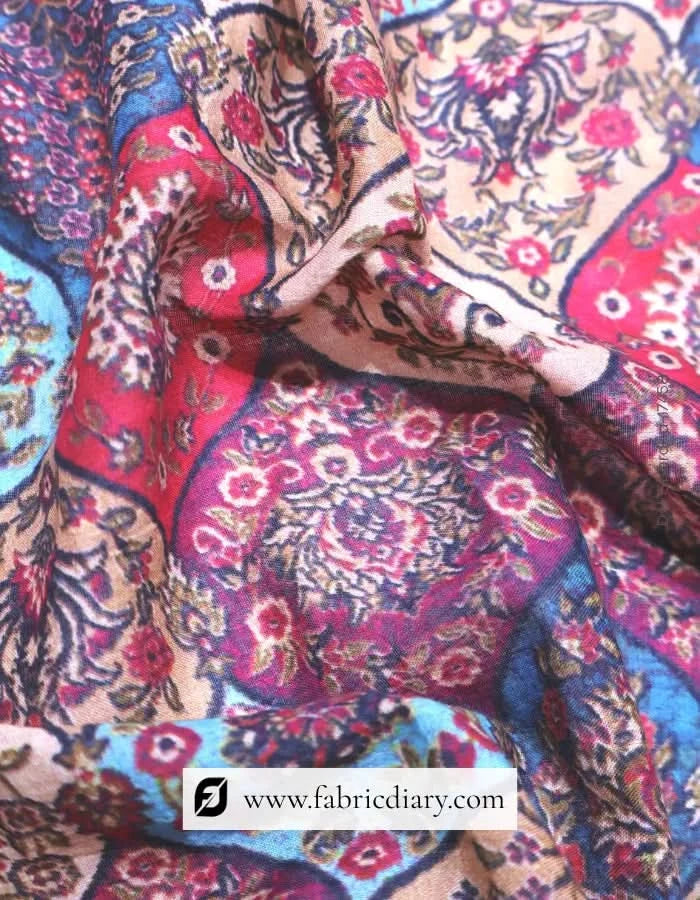
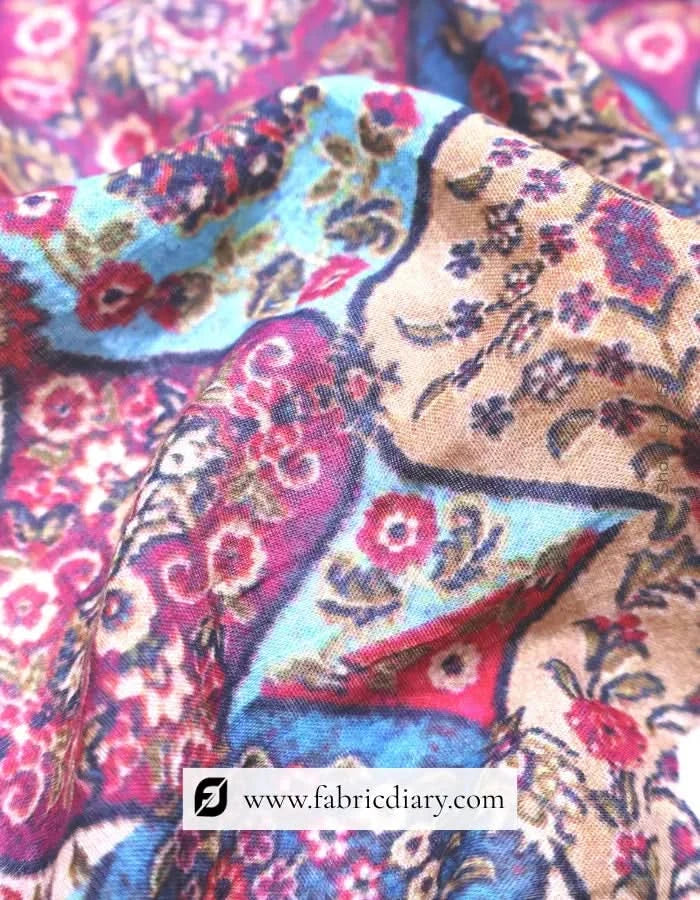
Digital Print Cotton Fabric by Yard for Fashion Apparel
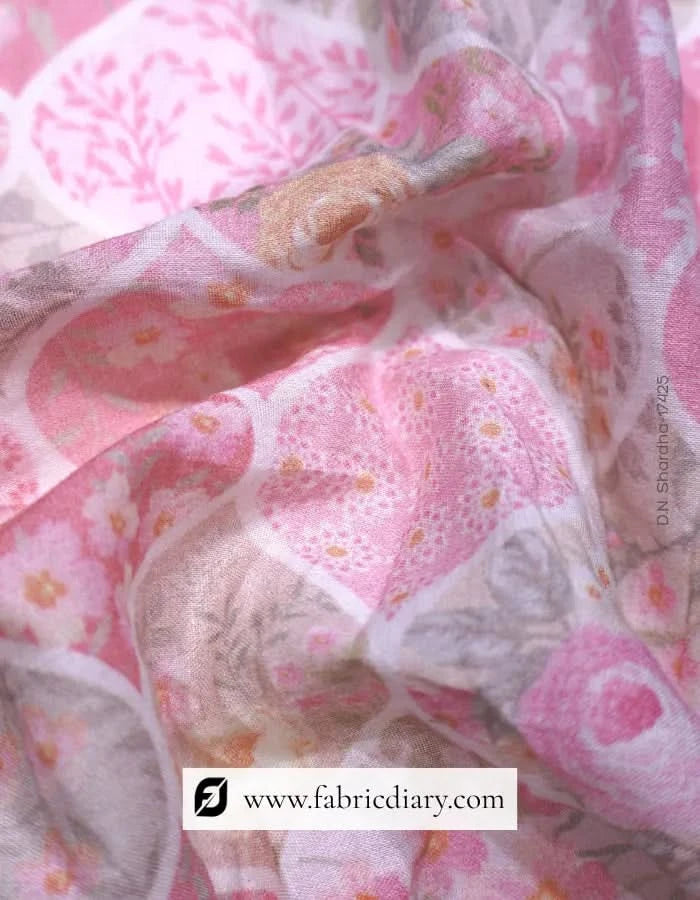
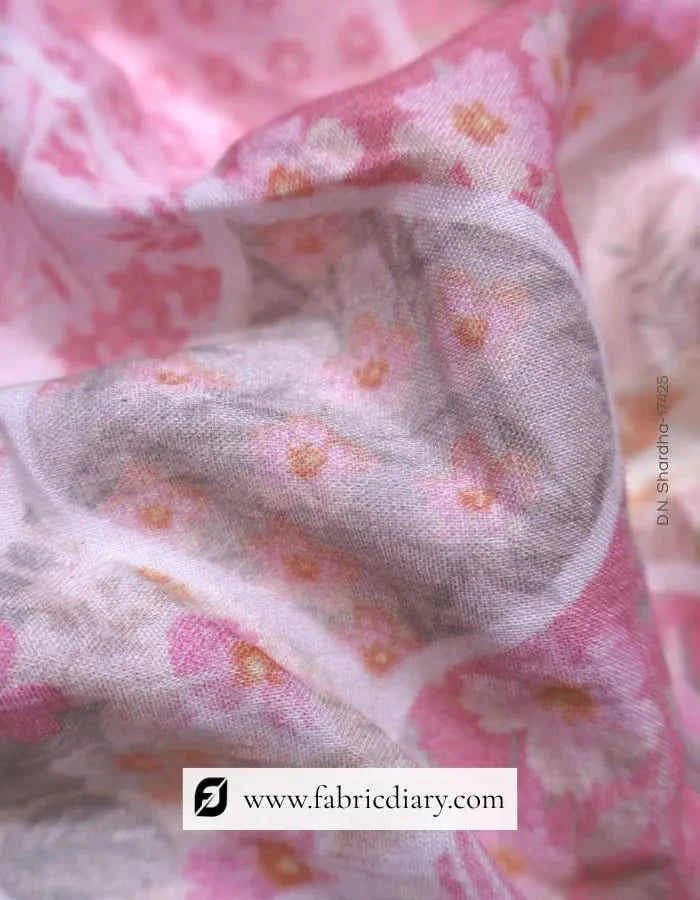
Soft Printed Cotton Fabric for Dresses, Kurtis & Co-Ord Sets


Sherwani Designer Daman Embroidery Fabric Material - 14090-A
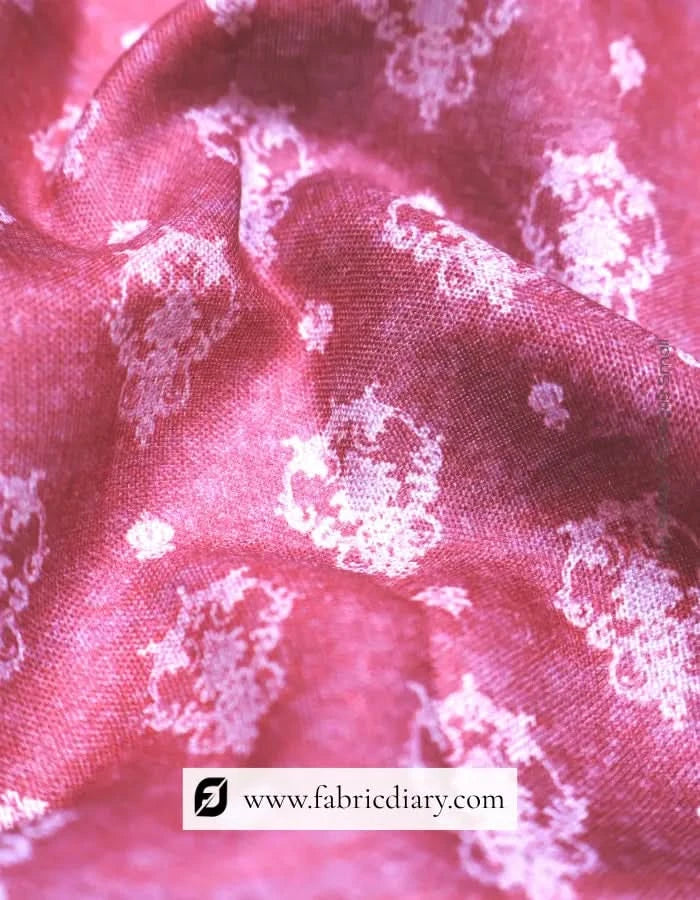
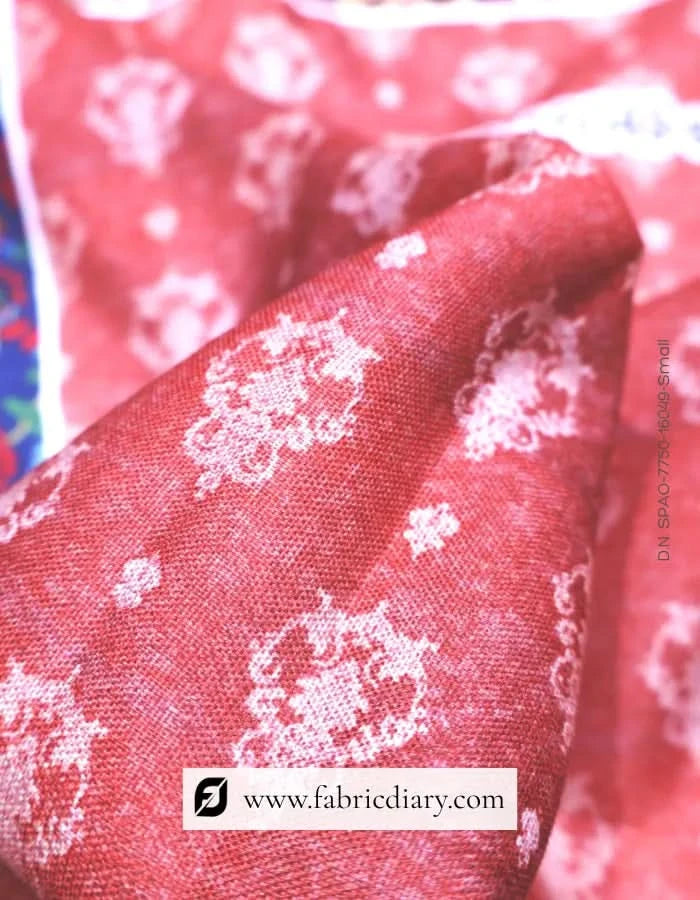
Allover Floral Printed Fabric [For Designer Dresses] SPAO-7750-16049-Small
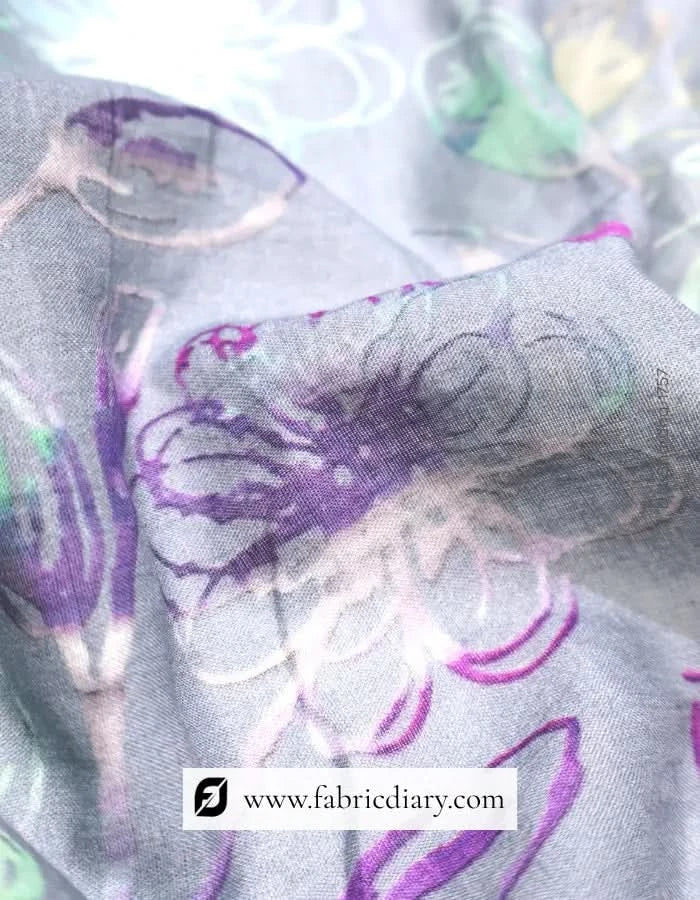
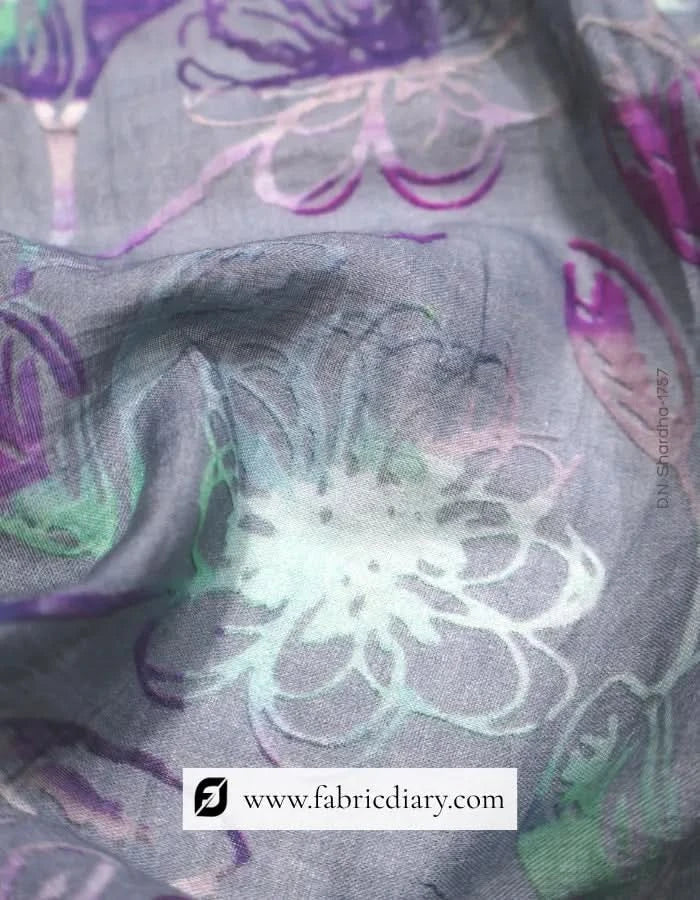
Cambric Cotton Printed Fabric for Contemporary Women's Wear
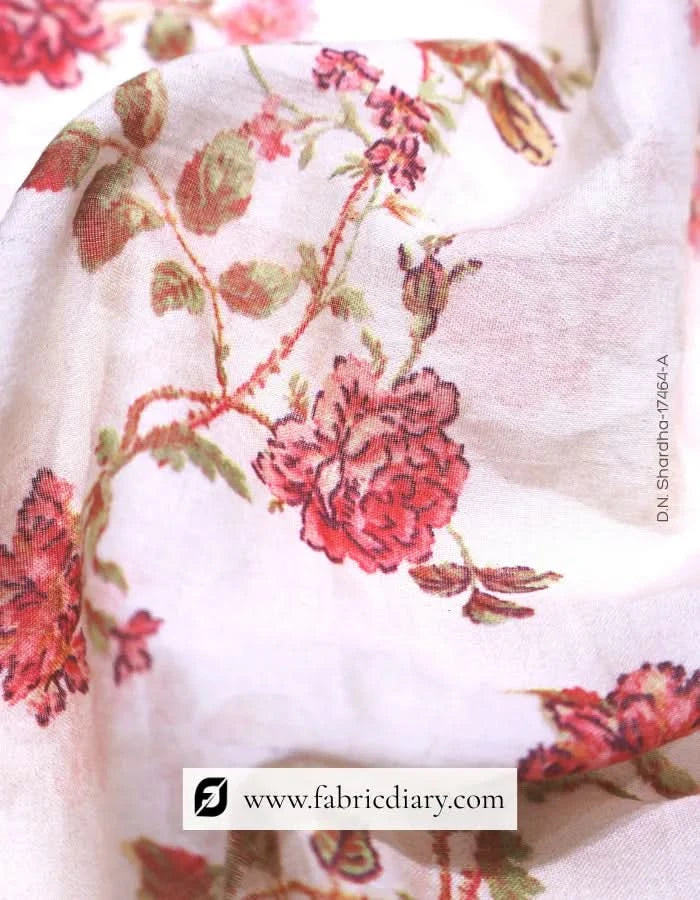
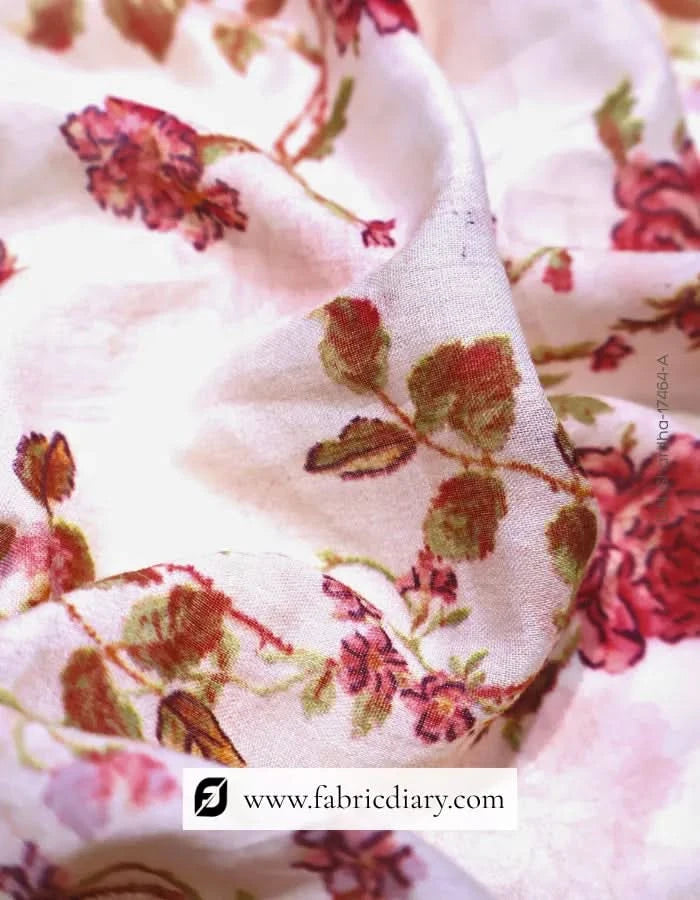
Premium 60s Cotton Fabric for Boutique Clothing Collections
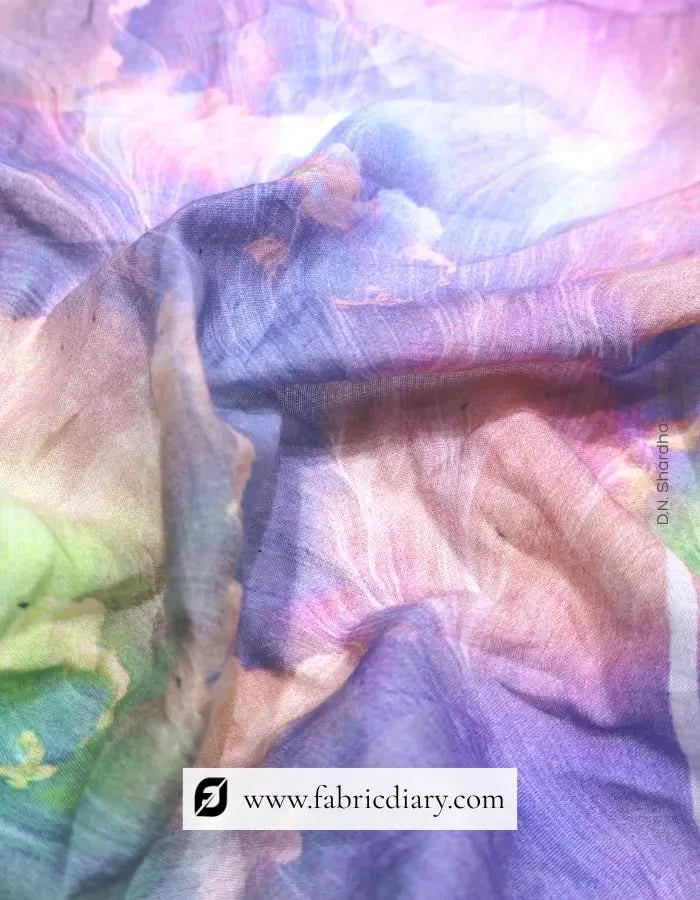
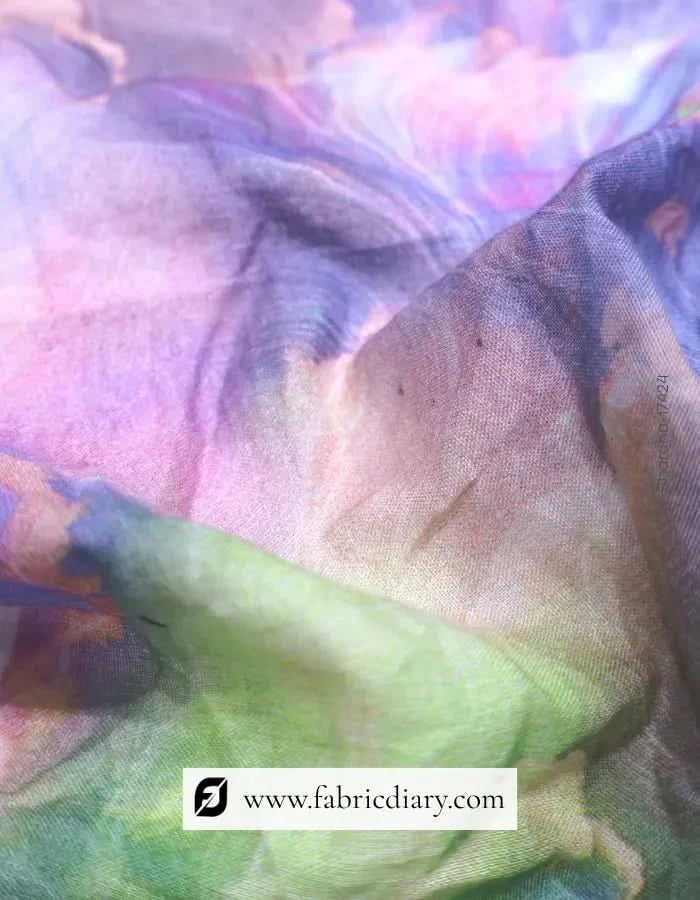
Premium Cambric Cotton Digital Print Fabric for Women's Wear
- Featured
- Most relevant
- Best selling
- Alphabetically, A-Z
- Alphabetically, Z-A
- Price, low to high
- Price, high to low
- Date, old to new
- Date, new to old
An eveningwear design can look promising on a screen and still disappoint once it is cut and stitched. A print may appear too busy across a fitted bodice, lose its visual impact when gathered into a skirt, or look different under evening lighting than it did on a sample card. For fabric buyers, the challenge is not simply finding an attractive design. It is sourcing a printed textile that works with the garment, its construction and the intended selling market.
Evening Printed Fabric is an occasion-led sourcing category for fashion businesses developing dresses, gowns, coordinated sets and other garments intended for dinners, celebrations, formal gatherings and evening events. Its identity comes from the relationship between print design and the finished garment, rather than from a single fibre or weave.
FabricDiary helps buyers approach this decision through the wider By Pattern / Occasion Print collection, where visual direction and end use guide fabric discovery. Buyers can then assess the actual textile, artwork and production route before committing to sampling or larger quantities.
What Makes Evening Printed Fabric Different?
Evening printed fabric is defined by the role it plays in a garment collection. A suitable design may rely on controlled contrast, an elegant repeat, a distinctive motif, tonal artwork or a surface that complements the garment's silhouette. The right choice depends on the intended look rather than a universal rule that evening fabrics must always be glossy, dark, heavy or embellished.
A smooth surface can help fine artwork remain visually clear. A flowing construction may suit garments with movement, while a more structured textile can support silhouettes that need body. A lustrous finish may strengthen a dressier appearance, but a matte fabric with carefully developed artwork can be equally appropriate for a refined evening collection.
This is the category's defining difference from its pattern-led neighbours: the occasion and garment outcome guide the selection, while the motif and material remain variable.
Evening printed fabric is not automatically a satin, silk, chiffon, georgette or velvet. Those are material or construction choices that must be verified against the specific product. Nor does an eveningwear designation establish that a fabric is opaque, stretchable, washable or suitable for every type of lining.
For commercial buyers, the most useful starting point is to define the finished garment and then select the textile and print that support it.
Fabric Construction, Surface and Print Behaviour
Because this is an occasion-led collection, there is no single technical specification that applies to every design. Composition, weave, weight, width, transparency, sheen and hand feel can differ across products and production batches. These details should be confirmed for the selected fabric rather than inferred from the collection name.
What to evaluate before sampling
Composition and construction. Fibre content and weave affect the fabric's feel, drape and response to printing. A buyer developing a flowing gown has different requirements from a label producing a structured dress. Ask for the actual composition and construction of the selected item.
Drape and movement. The textile should behave appropriately around seams, pleats, gathers and garment panels. If the design depends on fluid movement, evaluate a sample in motion rather than judging it only while flat.
Surface appearance. A smooth, textured, matte or lustrous surface changes how the same artwork is perceived. If a colourway is intended for evening lighting, assess it under representative lighting where practical.
Opacity and lining. Do not assume that a darker print makes a sheer fabric opaque. Buyers making dresses for modest occasionwear or formal settings should assess transparency on the actual base fabric and establish whether lining is required.
Print clarity and colour. Fine outlines, tonal details and areas of strong contrast need to be evaluated against the selected surface. Colour appearance can also vary with the fibre, print chemistry, finishing and lighting conditions.
Width and cutting yield. The usable width matters when estimating consumption for a dress, gown or coordinated set. The required quantity depends on the garment pattern, size range, print direction, placement and fabric width.
These checks help prevent a common sourcing mistake: approving the visual design without confirming whether the textile will perform as required in the finished garment.
Printing methods and their practical limits
Digital printing can be useful for detailed artwork, multiple colourways, sampling and designs that need frequent revision. The appropriate ink system and pretreatment depend on the fibre and fabric construction.
Rotary or screen printing may be suitable for production runs where the artwork, repeat and colours have been finalized. These methods can offer a commercially efficient route at scale, but the best choice depends on the production setup, design complexity, fabric and total order requirement.
Reactive printing is generally associated with suitable cellulosic fibres and certain other compatible systems; pigment printing can be used on a range of textiles with appropriate preparation and curing; disperse-dye systems are relevant to suitable polyester constructions. These methods are not interchangeable. Compatibility, colour fastness and finishing must be assessed for the actual material and process.
No printing method guarantees the same result on every base fabric. A pre-production sample is the sensible checkpoint before approving an order.
Allover Prints or Engineered Placement?
For evening printed fabric sold as continuous yardage, an allover repeat is a practical starting point. The design repeats across the fabric so manufacturers can cut multiple garment pieces from the same material. Repeat size, motif scale, direction and cutting layout still need attention, particularly when the print contains prominent artwork.
An allover repeat is often suitable for:
-
Dresses and skirts requiring continuous patterned yardage.
-
Gowns with gathered or flowing sections.
-
Coordinated sets that use the same repeat across several pieces.
-
Brands producing multiple garment sizes from a shared fabric specification.
However, a buyer developing a distinctive front panel, a controlled border or a motif that must sit at a particular point may need engineered or single-placement artwork instead.
Placement printing involves additional decisions: the garment template, dimensions of the artwork, the position of each motif, fabric width, cutting direction and the number of pieces expected from a length. These requirements can affect sampling and costing differently from a standard repeating print.
If the print needs to align with a specific garment panel, explore Position Printed Fabric. If the priority is buyer-supplied or exclusive artwork, Custom Print Fabric may be the more appropriate development route.
A buyer should communicate this distinction before requesting a quote. “Evening print” describes the intended design category; “allover” or “placement” describes how the artwork must be arranged.
Where Evening Printed Fabric Works Best
The strongest applications are garments where the visual character of the print contributes directly to the occasionwear proposition.
Evening dresses: An allover design can support simple silhouettes, while a carefully scaled motif may suit fitted or panelled styles. Consider how the pattern behaves at the bodice, waist and hem.
Gowns: Fluid bases and prints with an appropriate scale can work for flowing silhouettes. Fabric weight, transparency, lining and the effect of gathers should be evaluated before production.
Occasionwear separates: Printed skirts, tops and coordinated sets allow brands to develop multiple products from a consistent visual direction. Repeat continuity and colour consistency become particularly important when pieces are sold together.
Contemporary eventwear: Designers can use tonal, graphic, floral or abstract designs depending on their customer and positioning. The print should support the brand's intended appearance rather than simply follow a temporary trend.
Boutique and private-label collections: Smaller brands may want several artwork options or limited initial production while testing which designs resonate with their customers. Sampling and flexible development can help them make this decision before scaling a proven design.
Not every eveningwear brief calls for printed fabric. A buyer whose design depends on intricate threadwork, dimensional embellishment or a highly structured surface may be better served by an embroidered or specialist fabric collection. The finished look should determine the sourcing route.
A Buyer Guide to Sampling and Production
Different buyers approach evening printed fabric with different commercial priorities. A boutique designer may be testing artwork, a private-label brand may need consistent colours across a coordinated collection, and an export house may be planning a repeatable high-volume order.
The most useful enquiry includes the intended garment, selected base fabric if known, artwork or reference, approximate quantity, preferred colours and whether the design must repeat or occupy a defined placement.
Digital printing for sampling and shorter runs
Digital printing is a practical option when a buyer needs a prototype, a one-off artwork trial, several colourway tests or a smaller production run. It can make design revisions more manageable because artwork can be adjusted between development rounds without creating a separate engraved screen for each design in the traditional way.
For boutiques and emerging labels, this can reduce the commitment required before testing a new collection. It is still important to confirm the available base fabric, print compatibility, sample charges, achievable colour reproduction and any order minimums that apply to the specific project.
Digital printing should not be interpreted as unlimited customisation at any quantity or on every textile. Technical compatibility and commercial terms still matter.
Bulk mill printing for larger production programmes
For manufacturers, export houses and wholesalers ordering high volumes, rotary or screen printing can be the more economical production route when the design and process are suited to it. The artwork is prepared, the repeat and colours are finalized, and the necessary screens or engraved components are developed before the main run.
Customization therefore happens primarily during development. The buyer and supplier agree the design, colour separations, repeat, base fabric and approval sample before production begins. Once the design is approved and the mill run is underway, the process is optimized for consistent output and cost efficiency—not unlimited order-by-order artwork changes.
Changes to colours, artwork, repeat size or fabric may require a new approval process and can affect cost or production planning. Buyers should establish the approved specification and change-control procedure before placing the production order.
What should be confirmed before the purchase order?
-
Exact base fabric and composition.
-
Usable width and relevant construction details.
-
Print method and approved artwork.
-
Repeat dimensions or engineered placement requirements.
-
Sample approval and acceptable colour variation.
-
Finishing, inspection and packing expectations.
-
Quantity, pricing basis, dispatch terms and shipping destination.
-
Repeat-order requirements and the reference used for colour matching.
A clear specification helps the buyer compare quotations fairly and reduces the chance of approving a design that cannot be reproduced as expected.
Custom Development and Global Buyer Requirements
Custom development can include buyer-provided artwork, exclusive colourways, motif scaling, repeat adjustment and placement planning. The available options depend on the chosen fabric and production process.
A practical development brief should identify the intended garment, design reference, base fabric preference, target colour direction, repeat or placement requirements, approximate quantity and destination market. Where the buyer has a physical reference, it should be shared alongside a description of what must match: hue, contrast, scale, hand feel or surface appearance.
For evening printed fabric, the relevant market requirements are often linked to how a garment will be sold and worn.
Europe and North America: Private-label brands and boutique buyers may prioritize documented material details, repeat-order consistency and clear communication about colour matching. Brands with sustainability requirements should specify the evidence or certifications they need and confirm whether the selected fabric and process meet them; no certification should be assumed from the collection category alone.
Middle East: Buyers developing occasionwear may favour rich colour development and textiles that work with the intended silhouette, layering and modesty requirements. Opacity should be checked on the actual fabric rather than inferred from the print or colour.
South Asia: Designers, garment manufacturers and sourcing teams may compare several fibre and construction options for the same design brief. Composition, surface, drape, print clarity and garment consumption can be decisive when evaluating the landed cost of a finished product.
These are directional sourcing considerations, not fixed rules for every buyer in a region. Brand positioning, customer preferences and individual product specifications remain more important than geography alone.
Choosing the Right Collection Within FabricDiary
Evening printed fabric is appropriate when the buyer begins with the intended occasion and wants a print that supports the garment's overall appearance. Other collection routes may be better if the requirement begins elsewhere.
-
Floral Printed Fabric: Choose this route when floral artwork is the main search and design priority, whether the garment is intended for daytime or evening use.
-
Partywear Printed Fabric: Use this collection when the broader partywear category—not specifically eveningwear—is the primary commercial requirement.
-
Bridal Printed Fabric: Explore this route when the design is intended for bridal garments and the buyer's specifications are driven by bridal use.
-
Leaf Veil Print Fabric: Choose it when leaf or veil-inspired pattern identity is central to the brief.
-
Animal Printed Fabric: Use this route when animal-inspired motifs define the design.
-
Position Printed Fabric: Consider it when artwork must align with a defined panel, border or garment section.
-
Custom Print Fabric: Use it when the buyer needs artwork development, exclusive colourways or a print based on a supplied reference.
-
Printed Fabric: Visit the main Printed Fabric collection to browse the wider range of printed textiles across material and design categories.
These categories serve different entry points into the same sourcing journey. Keeping them distinct helps buyers reach the most relevant collection and helps each page retain its own search intent.
FAQ
1. What is evening printed fabric?
Evening printed fabric is an occasion-led textile category for developing printed garments such as evening dresses, gowns and coordinated eventwear. Its defining feature is the intended garment use, not one fixed fibre or weave.
2. Is evening printed fabric made from satin, chiffon or georgette?
It may be available in different fabric constructions, depending on the products offered. Satin, chiffon and georgette are not interchangeable specifications; confirm the actual composition and construction of the selected item.
3. Is evening printed fabric always shiny or glossy?
No. A lustrous surface can suit some evening designs, but matte and other surface finishes can also work. The appropriate appearance depends on the garment, artwork and intended customer.
4. Is evening printed fabric lightweight and flowy?
That depends on the selected base fabric. Drape and weight should be confirmed for the actual item, particularly when developing gathered dresses or flowing gowns.
5. Is evening printed fabric transparent?
Transparency varies with composition, construction, colour and finishing. Check a physical sample and establish whether lining is required for the intended garment.
6. Which printing method is suitable for evening printed fabric?
Digital, pigment, reactive or other compatible methods may be considered depending on the fibre, surface and artwork. Rotary or screen printing can suit larger production runs. The final choice requires technical assessment of the actual fabric.
7. Is an allover repeat or a single-placement print better for evening dresses?
An allover repeat is often practical for continuous yardage and multiple garment pieces. A single-placement design is preferable when a motif, border or artwork must sit in a defined garment area. The correct option depends on the cutting pattern and design brief.
8. Can I request custom colours or exclusive artwork?
Custom colourways and buyer-specific artwork may be possible, subject to the chosen fabric, printing method and production requirements. Share the artwork, colour reference and approximate quantity for assessment.
9. Can small boutiques order printed fabric for sampling?
Digital printing can suit sampling, prototype development and shorter runs. Availability, sample pricing and any minimum quantity should be confirmed for the selected fabric and project.
10. What is the difference between digital printing and bulk mill printing?
Digital printing is generally useful for sampling, shorter runs and flexible artwork development. Rotary or screen printing can be economical for high-volume runs. With mill printing, the design, colours and repeat are finalized during development and approved before the main run; unlimited changes during production should not be assumed.
11. Can manufacturers source evening printed fabric in wholesale quantities?
Yes, subject to product availability and the supplier's commercial terms. Manufacturers should specify the fabric, artwork, quantity, width requirements and intended production schedule when requesting a quotation.
12. What should an export house check before approving bulk production?
Confirm the base fabric, approved print reference, repeat or placement, colour expectations, usable width, finishing, inspection requirements, packing and shipping terms. Keep an approved sample and specification for subsequent production comparisons.
13. Can the same print be reproduced for repeat orders?
Repeat development may be possible, but colour and appearance can vary with fabric batches, printing conditions and finishing. Retain the approved reference and confirm acceptable tolerances before reordering.
14. Is evening printed fabric suitable for coordinated sets?
It can be, provided the print, base fabric and colour consistency work across the intended pieces. The garment pattern and cutting layout should be reviewed to avoid unwanted differences in motif position.
15. What should Middle Eastern buyers consider when sourcing evening printed fabric?
Assess colour appearance, fabric drape and opacity against the intended garment and layering requirements. Richer colour palettes may suit some collections, but the correct specification depends on the buyer's brand and end customer.
16. What information should I send for a custom evening print enquiry?
Share the garment type, artwork or reference image, preferred base fabric, colour direction, repeat or placement requirement, approximate quantity and delivery destination. Mention any specification that must remain consistent across repeat orders.
17. Is evening printed fabric suitable for bridalwear?
Some printed textiles can be used in bridal collections, depending on the design and garment requirements. If the primary intent is bridal-specific sourcing, the Bridal Printed Fabric collection may be a more relevant starting point.
18. How can I compare evening printed fabric quotations accurately?
Compare like-for-like specifications: composition, construction, usable width, print method, artwork requirements, finishing, quantity, packing and delivery terms. A lower quoted metre price may not represent a lower finished-garment cost if consumption or production requirements differ.
Related Collections
Continue your sourcing journey through the collection most closely aligned with your brief:
-
Evening Printed Fabric — occasion-led printed textile sourcing.
-
By Pattern / Occasion Print — parent collection for pattern- and occasion-led designs.
-
Printed Fabric — main hub for the wider printed-fabric range.
-
Floral Printed Fabric — floral-led design sourcing.
-
Partywear Printed Fabric — broader partywear requirements.
-
Bridal Printed Fabric — bridal-specific design requirements.
-
Leaf Veil Print Fabric — leaf and veil-inspired motifs.
-
Animal Printed Fabric — animal-inspired patterns.
-
Position Printed Fabric — garment-specific artwork placement.
-
Custom Print Fabric — buyer-specific artwork and colour development.
Source the Right Evening Print for Your Collection
The most reliable sourcing decision begins with the finished garment, not the print name alone. Confirm the textile construction, determine whether your artwork needs an allover repeat or an engineered placement, and choose a production route that matches your order size.
Ready to discuss your requirement? Send FabricDiary your preferred fabric, garment application, print reference, estimated quantity and destination market. For a sampling-stage project, ask about digital print development; for a high-volume programme, request a quotation based on an approved specification and bulk production requirements.
FabricDiary Global B2B Sourcing Desk
Direct textile manufacturing facility supplying premium fabrics to Apparel Buying Houses, Fashion Merchandisers, Garment Exporters, and Boutique Labels across North America, Europe, the Middle East, and Africa.
Ready Stock MOQ
1 Meter (Immediate Dispatch)
Custom Production MOQ
30 Mtr (Dyes/Prints) | 300 Pcs (Patches)
Trims & Laces MOQ
Standard 9-Meter Rolls
Trade & Shipping Terms
FOB, CIF, DDP Air/Sea Freight
Read More about Evening Printed fabric