

Geometric Printed fabric
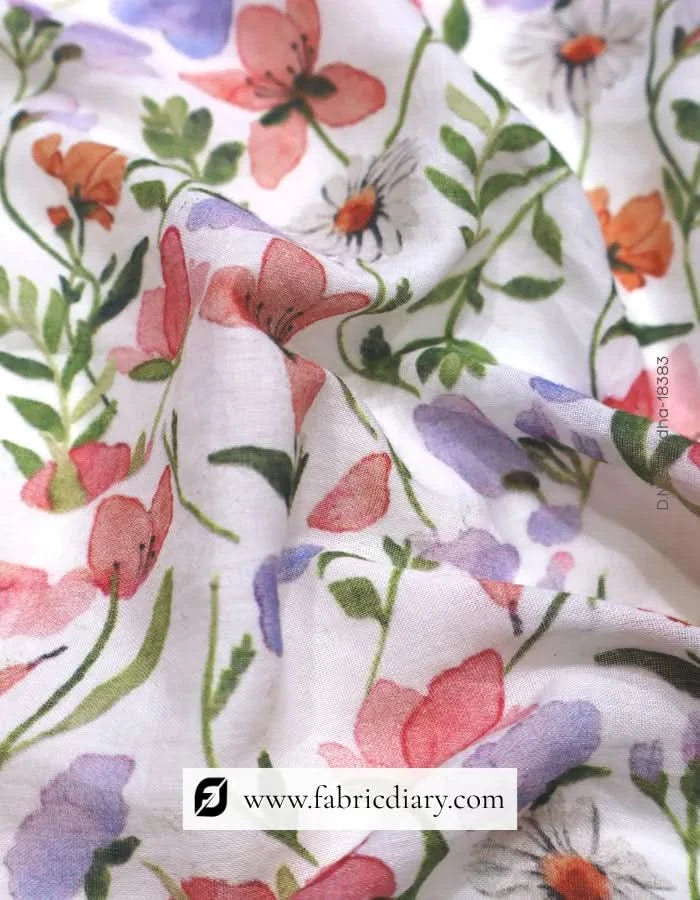
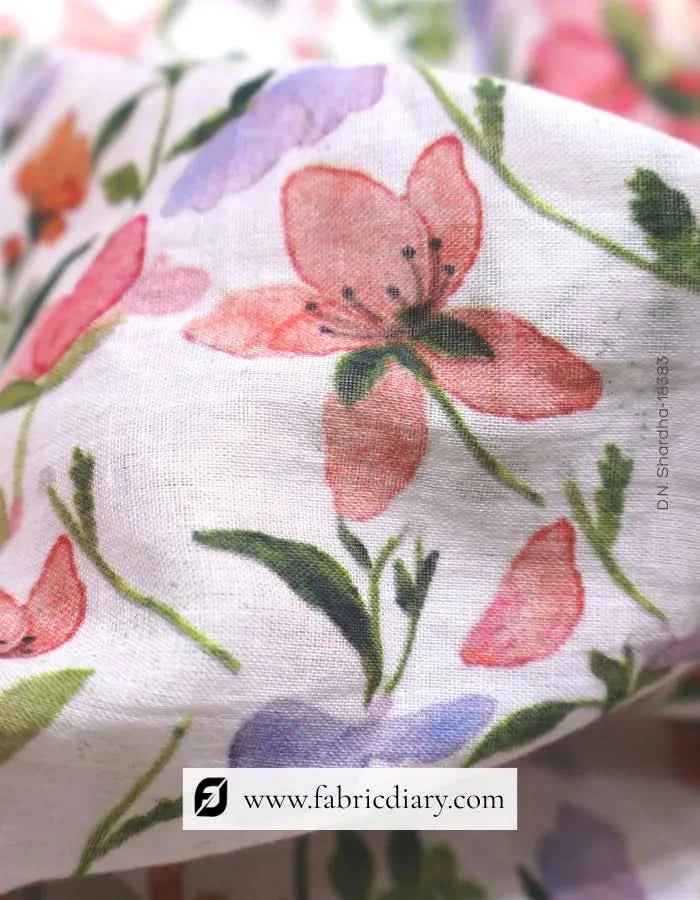
Premium Cotton Fabric for Fashion Labels & Boutiques
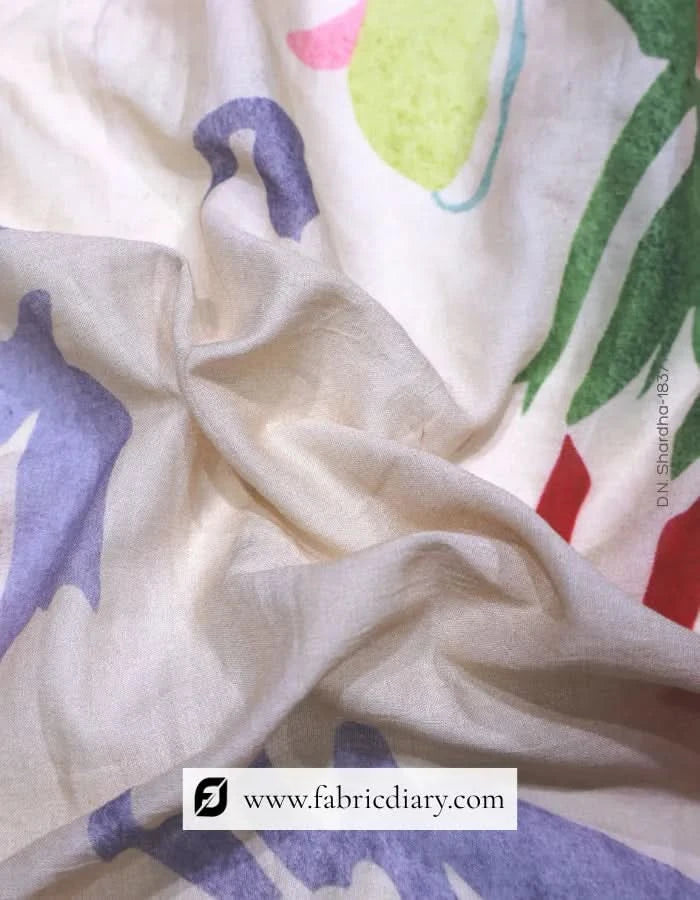
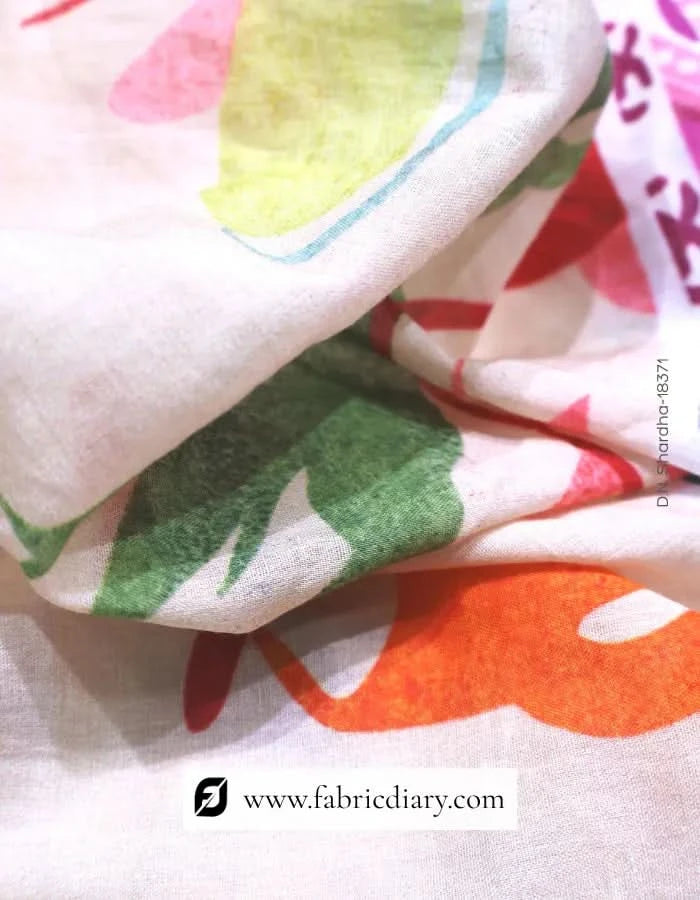
Premium Digital Print Cotton Fabric for Contemporary Wear
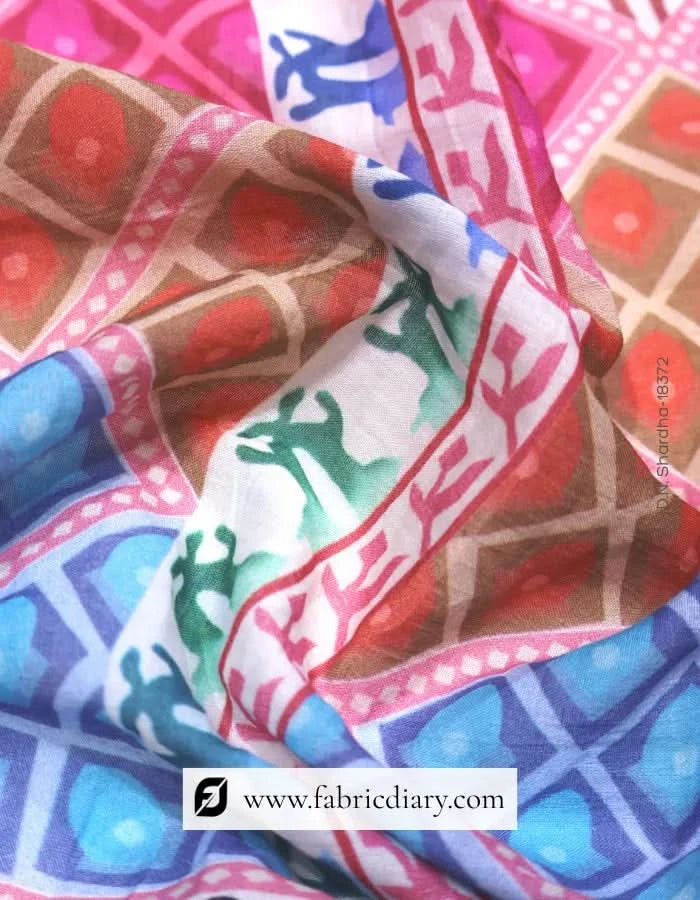
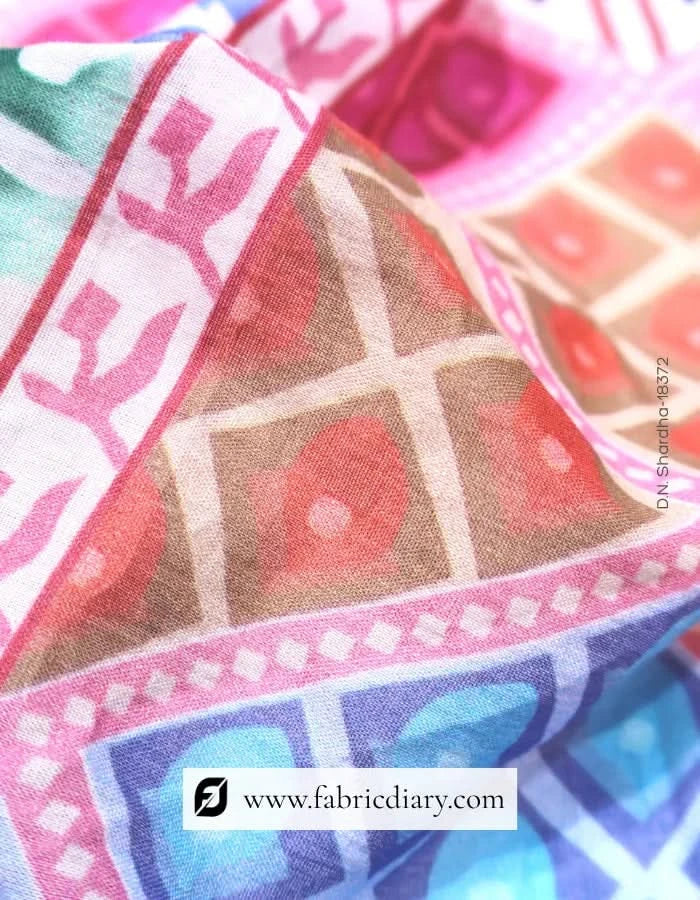
Cotton Fabric by Yard for Dresses, Tunics & Co-Ord Sets
Soft Cambric Cotton Fabric for Designer Apparel Projects
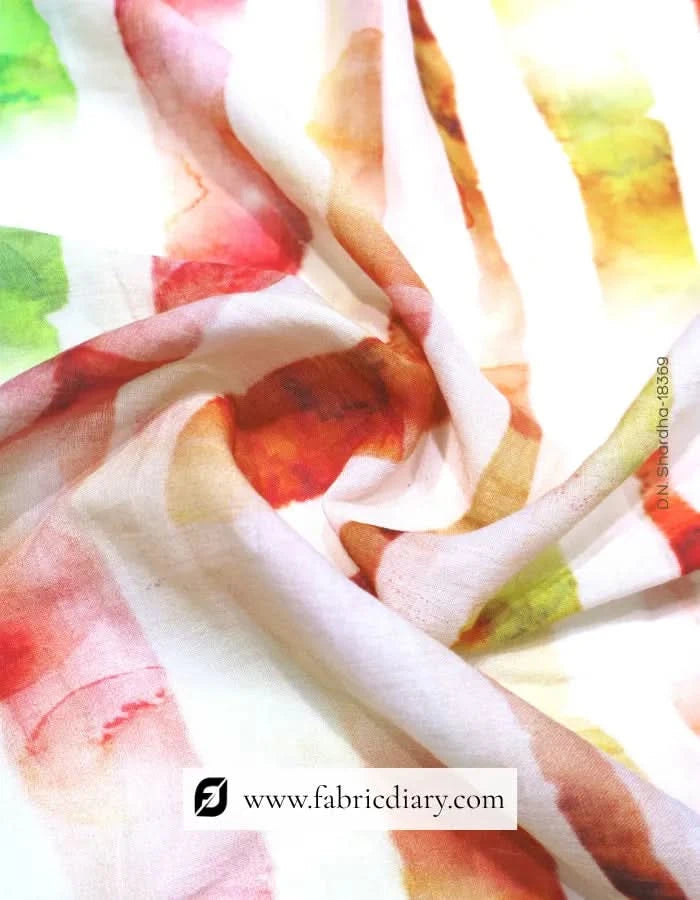
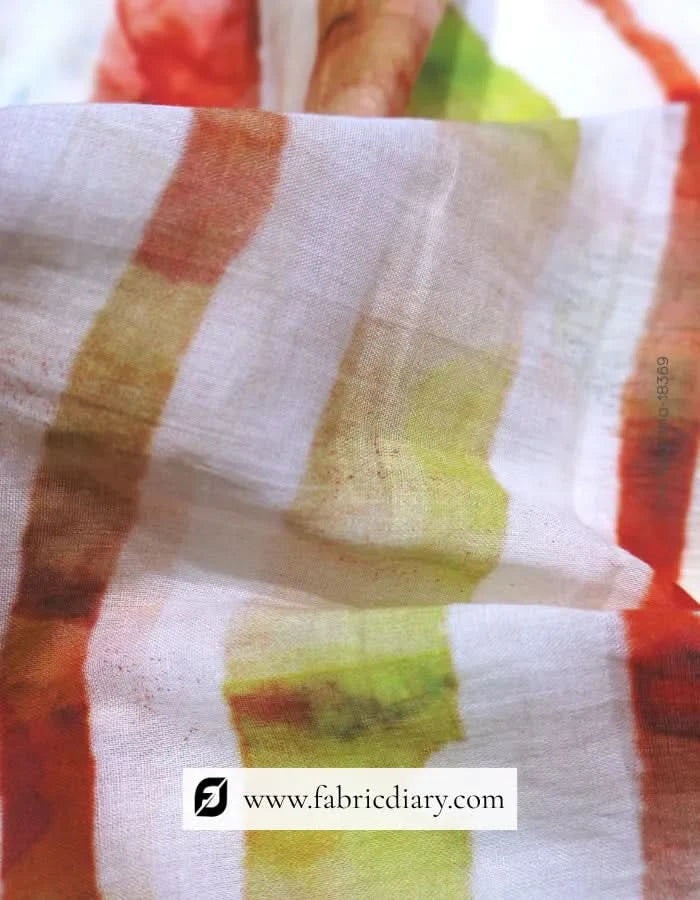
Fine Cambric Cotton Print Fabric for Boutique Collections
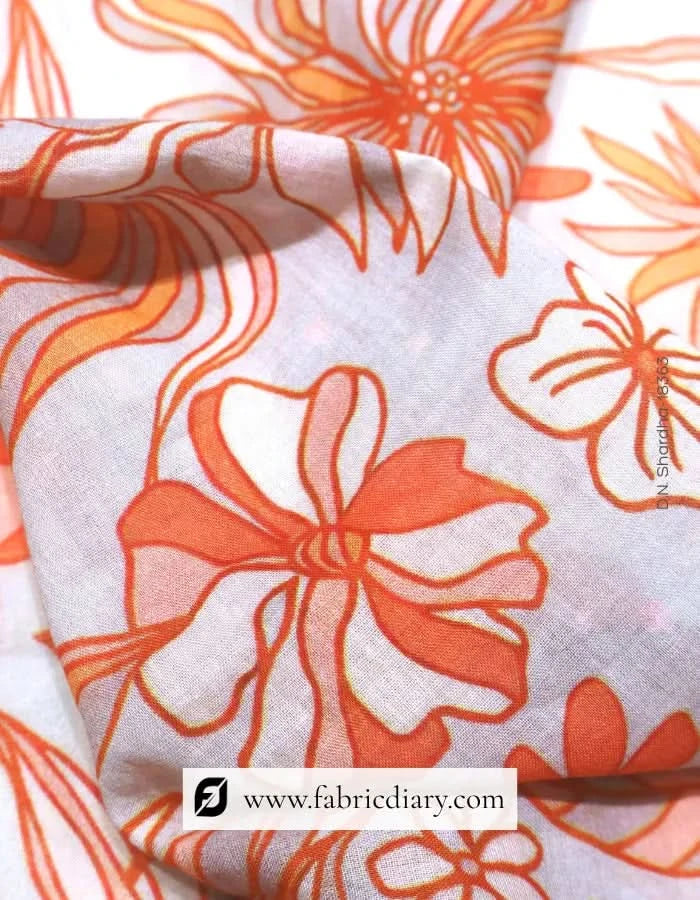
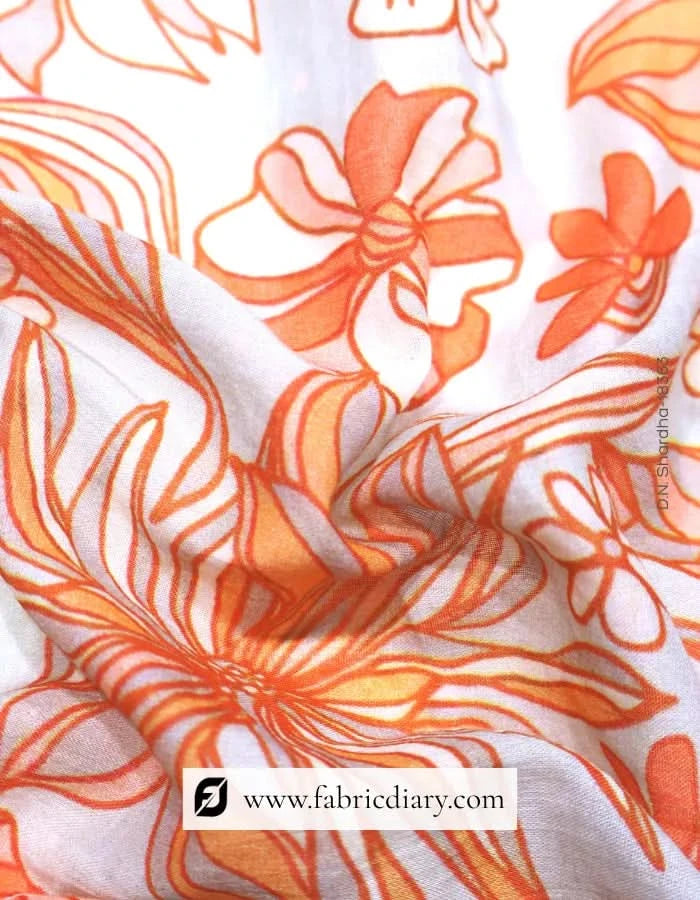
Digital Printed Cotton Fabric for Stylish Apparel Creations
Soft Cotton Fabric for Women's Fashion & Dressmaking
- Featured
- Most relevant
- Best selling
- Alphabetically, A-Z
- Alphabetically, Z-A
- Price, low to high
- Price, high to low
- Date, old to new
- Date, new to old
A geometric print can look perfectly balanced on a screen yet behave very differently when the fabric is printed, cut and stitched. Lines may cross a seam, a large motif may be divided between garment panels, or a small shift in the repeat may become visible across a finished shirt or dress. For commercial buyers, selecting the right design is only the beginning; the fabric base, print scale and production method also matter.
FabricDiary's Geometric Printed Fabric collection is intended for buyers exploring structured patterns for contemporary apparel, ethnicwear and fashion collections. Depending on the available material and development requirements, geometric artwork can be considered on different woven or knitted bases suitable for the intended garment. Composition, surface, drape and print compatibility must be evaluated for the actual fabric rather than assumed from the pattern name.
This collection sits within FabricDiary's By Pattern / Occasion printed-fabric collection, where buyers can explore fabrics according to visual design direction instead of beginning with fibre alone. It serves designers developing a new range, garment manufacturers planning repeatable production, and sourcing teams comparing ready designs with custom print development.
Understanding the Identity of Geometric Printed Fabric
Geometric printed fabric is identified by the organisation of its motifs. Circles, squares, diamonds, triangles, stripes, checks, grids, interlocking shapes, linear arrangements and tessellated forms can all belong to this design family. The defining characteristic is the relationship between shapes and their arrangement across the fabric surface.
That structure gives the category a distinct commercial role. A restrained linear repeat can support a minimal shirt collection, while a large, high-contrast arrangement may create the visual identity of a statement garment. A compact grid may be suited to coordinated separates, whereas a larger diamond or angular repeat can become the principal feature of a dress or kurti.
The pattern is fixed by design; the fabric is not
A geometric print does not automatically mean cotton, polyester, linen, silk, satin or any other single composition. The base should be chosen according to the garment's requirements.
-
Cotton and cotton-rich bases: Worth evaluating for shirts, kurtis and everyday apparel where the desired hand feel, breathability and care requirements support the selected construction.
-
Polyester and polyester-blend bases: Potential options for fashion ranges where the required surface, drape, colour development and production economics suit the specific substrate.
-
Linen and linen-blend bases: May suit relaxed, textured or structured contemporary looks, depending on the actual weave and blend.
-
Fluid bases such as suitable crepe or georgette constructions: May be considered when the design requires movement, although fine geometric lines can look different on a flowing or sheer surface than on a stable woven fabric.
These are selection directions, not a guarantee that every base is currently available in every geometric design. Confirm the composition, construction and sample of the specific fabric before approving production.
What separates geometric prints from other pattern families?
The most important distinction is structural alignment. Floral artwork is often judged by the balance of botanical forms; leaf prints by the arrangement of foliage; animal prints by the character and scale of their markings. Geometric designs must also preserve the intended relationship between lines, angles, spacing and repeated shapes.
This is particularly important when the fabric is cut into garment panels. A print that looks attractive when viewed as a small swatch may require a different repeat scale or cutting plan to work well on a full front panel, a pair of sleeves or a matching set.
Technical Characteristics Buyers Should Evaluate
There is no single technical specification for all geometric printed fabrics. The fabric base, yarn, weave or knit structure, finishing and printing process influence its final behaviour. Buyers should assess the complete combination rather than purchase on motif appearance alone.
Surface, hand feel and drape
A smooth, stable surface can help maintain the appearance of crisp lines and evenly spaced shapes. A textured weave may create a different visual effect, even when the artwork file remains unchanged. Softness, stiffness and drape are determined by the actual construction and finish, not by the geometric pattern itself.
For shirts and co-ord sets, buyers may prioritise a base that holds the intended garment shape and supports clean construction. For dresses and skirts, movement and the way a repeat falls across the body may be more important. A flowing fabric can work well with geometric artwork, but its movement should be checked on a physical sample.
Transparency, weight and opacity
Lightweight, sheer, medium-weight and heavier constructions can all produce different results. A light base may offer fluidity but could require lining for some garments. A more substantial base may provide better coverage or structure, depending on the weave and finish.
Do not infer GSM, width or opacity from the collection name. Request the actual specifications for the selected article, and assess the fabric under suitable lighting if the finished garment requires a particular level of coverage.
Colour, line definition and repeat consistency
Geometric artwork is sensitive to visual regularity. Narrow lines, small grids and closely spaced shapes can make registration or repeat inconsistencies easier to notice. Large, separated shapes may be more forgiving in some designs, although colour boundaries and alignment remain important.
Before bulk approval, examine:
-
Whether the printed lines retain the intended definition.
-
Whether the scale of the motifs works on the actual fabric width.
-
Whether colours remain distinguishable at the selected print scale.
-
Whether the repeat joins are visually acceptable.
-
Whether the fabric surface or movement changes the appearance of the design.
Width, composition, colourfastness, dimensional stability, wash care and other performance properties must be confirmed for the selected article and intended end use. Where these requirements are commercially important, document the approved specifications and testing expectations before production.
Printing Methods and the Importance of Repeat Design
Geometric artwork requires a printing method that suits both the fabric substrate and the intended order. Digital, rotary-screen and flat-screen printing can all have a role in suitable applications, but they are not interchangeable for every material, colour system or production volume.
Digital printing for design flexibility
Digital printing is useful when a buyer needs a sampling-stage design, a limited run, a new colourway or a custom geometric arrangement without committing immediately to a large mill-printing programme. It allows artwork changes between development stages without the same screen or engraving preparation associated with conventional production.
This route can suit designers, boutique labels, emerging private-label brands and product developers testing several motif scales. A buyer might compare a fine linear repeat with a larger abstract grid, or approve a new colour combination before extending the range.
The actual printing technology must match the fabric. Reactive printing is relevant to suitable cellulosic fibres, while disperse-dye processes are commonly associated with suitable polyester substrates. Pigment and other systems may be appropriate depending on the base, finish, required hand feel and production setup. FabricDiary should confirm the proposed process for the selected material instead of treating all methods as universally suitable.
Digital printing can make short-run development and design changes more practical, but it does not automatically guarantee unlimited customisation, identical colour across every fabric or a particular delivery time.
Bulk mill printing for larger production runs
Rotary-screen or other suitable screen-printing routes can be commercially appropriate when a design is approved for a large, repeatable production run. Screen preparation or engraving involves development work, so the economics generally become more attractive when the cost can be distributed across a substantial quantity.
For geometric prints, the repeat dimensions, colour separations, alignment requirements and approved sample should be finalised before the production run. Once the artwork is approved and production begins, changing the motif or colourway for every individual portion is not the normal operating model. A new version may require separate development, preparation, approval and costing.
This route is worth discussing with garment factories, exporters, wholesalers and manufacturers expecting high consumption of the same design. Very large quantities, including orders extending to lakhs of metres where the production setup supports them, require an individual capacity, price and feasibility assessment. Such quantities are not a universal minimum or a promise of available capacity.
Allover repeat or engineered placement?
For this collection, an allover repeat is the natural starting point. It creates continuous printed yardage that can be cut into different garment components, subject to the selected repeat and cutting plan.
Engineered or single-placement printing serves a different purpose. Here, the artwork is positioned for a defined garment length or panel, with motifs and negative space arranged around a specific construction. That may be useful for a dress front, a coordinated garment panel or another design where placement is central to the finished appearance.
A placement design is not simply an allover repeat with a different name. It may require garment templates, panel measurements, fabric-width planning and more precise costing. Ask about Position Printed Fabric when a specific placement-led design is the main requirement, or discuss custom development if the intended base and construction call for another approach.
Garment Applications: Match the Repeat to the Product
Geometric prints can serve several apparel categories, but their success depends on motif scale, colour contrast, garment shape and the fabric's behaviour.
Shirts and contemporary tops: Fine lines, grids, checks and smaller repeats can support everyday or smart-casual ranges. Buyers should consider how the pattern meets at the placket, collar, pocket and side seams. Matching every seam may increase cutting and material requirements, so it should be specified rather than assumed.
Kurtis and contemporary ethnicwear: Repeated diamonds, angular motifs and balanced grids can work across different silhouettes. The selected base should support the intended coverage, comfort and fall. If the design is being developed for a coordinated set, evaluate how the repeat looks across the kurti and its accompanying bottom.
Dresses and skirts: Larger shapes can provide a clear visual direction, while smaller repeats may suit more understated collections. Check whether the design remains balanced when panels flare, gather or are cut on the bias. A print that looks regular on flat yardage can change appearance when the garment is shaped.
Co-ord sets: Consistency between the top and bottom is particularly important. Buyers should decide whether both pieces use the same repeat scale and colourway, or whether one garment carries a complementary variation. Confirm the amount of fabric required for the set and account for pattern matching where necessary.
Selected resortwear and statement fashion: Bold geometry can suit these ranges when the substrate offers the required drape, comfort and colour performance. The garment's end-use conditions and care requirements should guide base selection.
For occasion-led development, the design direction may be better served by Partywear Printed Fabric or Evening Printed Fabric if the occasion is more important to the buying decision than the geometry itself. These collections serve a different discovery intent and should not be treated as interchangeable with this pattern-led page.
A Practical Buyer Guide Before Placing an Order
The most useful sourcing discussion begins with the garment and the artwork, not just the words “geometric print.” A buyer who supplies a clear brief can make better comparisons between ready designs, custom digital printing and larger production runs.
Define the repeat and intended garment
First, establish whether the design is an allover repeat or a placement-led layout. For an allover repeat, share the preferred motif scale, repeat dimensions if known, colourway and intended garment category. For placement printing, provide panel dimensions or a garment template where available.
Next, decide how visible the geometry should be. A small repeat may create a subtle surface pattern, while a large repeat can dominate the garment. Consider the distance from which the design will be viewed, the expected garment size range and whether seams are likely to interrupt important motifs.
Choose the base for the garment—not merely for the picture
Ask for the available fabric composition, usable width, weight or GSM where specified, hand feel, drape and care information. Compare the actual fabric swatch with the design brief. If the product requires softness, opacity or a particular fall, these must be assessed separately from print quality.
Buyers comparing pure fibres with blended alternatives should make that comparison within the relevant material categories. The main Printed Fabric collection supports broader discovery, while this page remains focused on geometric design requirements.
Decide what must be approved before bulk production
A sampling buyer may want to compare two motif scales, test a colour palette or evaluate the fabric's fall after stitching. A private-label brand may need a documented reference sample and clear colour approval. A large manufacturer may additionally need repeat specifications, shade tolerances, width information and agreed inspection criteria.
Clarify whether the print is expected to match across multiple production lots. Colour matching can be affected by the substrate, process, finishing and production conditions. An approved reference and mutually agreed tolerances are more useful than a general promise of identical results.
Sourcing and Manufacturing: From Sampling to Bulk
FabricDiary's associated manufacturing and sourcing network can be approached according to the buyer's actual order and development stage. The right route depends on quantity, design readiness, fabric compatibility and the need for repeat production.
Small orders, prototypes and boutique development
Digital printing is often the more practical starting route when the buyer is testing a new geometric design, comparing colourways or sourcing limited quantities. The conversation should cover the selected fabric, available print method, artwork readiness, sample requirements and applicable minimum order conditions.
Designers and smaller brands should also consider how much fabric is needed for sampling, cutting tests and the first saleable batch. A single swatch may establish appearance, but it may not reveal every issue involving repeat alignment, garment construction or production variation.
Private-label and mid-size production
A growing brand may need a balance between design flexibility and repeatability. At this stage, the buyer should establish whether a digital run remains suitable or whether the forecast quantity justifies evaluating a bulk-print route.
Useful decisions include locking the approved colourway, recording the repeat dimensions, agreeing the base fabric and confirming the intended garment application. If future reorders matter, discuss how the artwork and approved sample will be referenced for later production.
Export houses, manufacturers and wholesalers
For high-volume requirements, suitable mill printing may offer better production economics when the same design is needed consistently across a large run. Screen or rotary preparation, colour separation, repeat finalisation and sample approval should be completed before production is released.
Bulk customisation takes place primarily during development. A buyer can request a different artwork or colourway for a separately planned production version, but per-piece design changes should not be assumed to be available within a single mill run.
A sound bulk enquiry should include the estimated quantity, fabric base, design file or reference, number of colourways, target use, delivery destination and any testing or documentation requirements. Pricing, minimum quantities, production capacity and timelines must be confirmed against the specific order.
Custom Geometric Print Development
Customisation is most effective when the buyer distinguishes between artwork changes and fabric changes. The same geometric design can appear very different when its motif scale, repeat interval, colour contrast or base construction changes.
FabricDiary buyers can enquire about the following development areas, subject to feasibility:
-
Artwork and motif design: New grids, linear patterns, diamonds, checks, abstract geometry or buyer-supplied artwork.
-
Repeat engineering: Adjusting repeat dimensions, spacing and alignment to suit the fabric width and garment construction.
-
Colourway development: Exploring alternate palettes and defining the approved production reference.
-
Fabric-base selection: Evaluating a suitable available construction for the required hand feel, drape, coverage and end use.
-
Private-label requirements: Discussing approved artwork handling, product development records, labelling and packaging requirements where supported.
-
Placement-led layouts: Reviewing a garment template or panel plan when a continuous repeat is not appropriate.
Artwork ownership, usage permissions, file suitability, colour references, development charges and any applicable minimums should be clarified before work begins. Buyer-supplied artwork must be authorised for use. The final feasibility and price depend on the fabric, printing method and production scale.
Global Market Demand and Buyer Considerations
Geometric prints travel across markets, but the commercially appropriate design is not identical everywhere. Regional preferences are useful starting points for product development, not guarantees about every buyer or country.
South Asia: Apparel makers and ethnicwear businesses may compare the same geometric artwork across several fabric bases before choosing the final product. For these buyers, construction terminology, usable width, drape and suitability for the intended garment can be as important as the print itself. A clear material specification helps prevent comparisons between fabrics that only look similar in photographs.
North America and Europe: Boutique labels and private-label teams may prioritise a differentiated design, dependable repeat quality and documented product specifications. For repeat orders, an approved sample, recorded colour reference and agreed tolerances can support more consistent purchasing. Smaller development runs may be useful before a larger commitment, depending on the production route and supplier terms.
West and Central Africa: Buyers developing bold apparel ranges may explore larger motifs, high-contrast colourways and continuous allover repeats. Wholesale economics, fabric availability and the cost per usable metre can be important, particularly when a design is intended for repeat retail production. Confirm local customer preferences and the actual order forecast rather than relying on broad regional assumptions.
Across all markets, buyers should communicate their garment category, fabric requirements, quantity and destination clearly. International shipping, import duties, taxes, documentation and delivery estimates depend on the destination and order; these should be confirmed before purchase.
Wholesale and Bulk Purchasing with FabricDiary
Wholesale purchasing should be organised around the buyer's production plan rather than a single universal order threshold. A boutique testing a capsule collection has different requirements from an export house purchasing continuous yardage for repeated garment production.
For sampling and smaller design trials, ask about digital-print feasibility, sample availability and the conditions applicable to the selected fabric. For mid-size orders, compare the cost of development with the expected consumption and whether the design is likely to be reordered. For large runs, request a production assessment for suitable mill printing, including artwork finalisation, approval samples, expected consistency and order-specific costing.
Before confirming an order, buyers should establish:
-
The exact fabric composition and construction.
-
The applicable width and weight specifications, where available.
-
The approved geometric artwork, repeat and colourway.
-
The intended printing process and any required testing.
-
The quoted quantity, price basis and minimum order conditions.
-
The estimated production and shipping schedule.
-
The inspection, shade approval and repeat-order expectations.
FabricDiary's existing collection page presents sample and wholesale purchasing options, but the actual availability, terms and suitability of those options should be verified for the chosen product and production route. Do not assume a displayed quantity tier automatically applies to a custom mill-printing order.
For a bulk requirement, share the design reference and estimated consumption before asking for a final price. This makes it easier to evaluate whether a ready design, a custom digital run or a separately developed mill-printing programme is commercially appropriate.
When to Choose Geometric Prints—and When to Consider Another Collection
Geometric printed fabric is a strong candidate when the product's visual identity depends on structured shapes, linear arrangements, grids or a repeat that can work across garment panels. It is particularly relevant when the buyer needs a recognisable pattern language that can be adapted through motif scale and colourway.
It may be less suitable when the design brief depends primarily on organic botanical movement, realistic animal markings or a specific occasion-led aesthetic. In those cases, another pattern collection may better match the intended search and design intent.
The following distinctions help preserve a clear buying journey:
-
Floral Printed Fabric: Better aligned with botanical motifs and flower-led design direction.
-
Leaf Veil Print Fabric: Relevant when foliage, leaves or a botanical veil effect defines the artwork.
-
Animal Printed Fabric: Suited to animal-inspired markings and related visual themes.
-
Evening Printed Fabric: Relevant when eveningwear positioning is the main requirement, regardless of whether the design is geometric.
-
Partywear Printed Fabric: Useful when partywear and celebration-led product development take priority over a particular motif family.
-
Material-led printed collections: More appropriate when the buyer has already decided on a specific fibre or blend and is comparing its print options.
-
Position Printed Fabric: Worth exploring when one carefully placed motif or a planned garment panel matters more than an allover repeat.
A geometric print does not by itself guarantee the correct drape, opacity, comfort or price point. Select the pattern and material together, and confirm the actual product before committing to bulk.
Related Collections
Explore the relevant FabricDiary collections according to the primary requirement:
-
Geometric Printed Fabric — structured motifs, grids, lines and repeat-led designs.
-
By Pattern / Occasion — the parent hub for pattern- and occasion-led discovery.
-
Printed Fabric — the main collection for broader printed-fabric sourcing.
-
Floral Printed Fabric — botanical and flower-led patterns.
-
Leaf Veil Print Fabric — leaf-inspired and foliage-led artwork.
-
Animal Printed Fabric — animal-inspired print directions.
-
Partywear Printed Fabric — prints selected for partywear development.
-
Evening Printed Fabric — designs for eveningwear-led ranges.
-
Pure Crepe Position Printed Fabric — a relevant starting point for placement-led designs on the specified crepe category; confirm suitability for the required artwork and construction.
-
Poly Linen Print Fabric — a material-led option when a poly-linen base is part of the sourcing brief.
Use pattern-led discovery when the motif is already decided. Use material-led discovery when the fabric construction is the first priority.
FAQ
1. What is geometric printed fabric?
It is fabric printed with structured visual forms such as lines, grids, checks, diamonds, circles, triangles or repeating angular motifs. The category is defined by the artwork rather than one fixed fibre or weave.
2. Which fabrics can be used for geometric printing?
Suitable cotton, polyester, blended and other woven or knitted bases may be considered, depending on the available material and printing system. Composition and compatibility should be confirmed for the actual product.
3. Is geometric printed fabric suitable for shirts and kurtis?
It can be suitable for both. The fabric's construction, comfort, drape, coverage and care requirements should match the intended garment. Repeat scale should also be checked against plackets, seams and garment panels.
4. Does geometric printed fabric always have a smooth finish?
No. Surface texture depends on the base fabric and its finish. A smooth substrate may support crisp-looking lines, while a textured construction can change the visual character of the same artwork.
5. Can geometric prints be developed on lightweight fabric?
Potentially, yes, provided the chosen substrate and print process are compatible. Buyers should check opacity, drape, line clarity and whether the finished garment requires lining.
6. Is an allover repeat better than a placement print?
An allover repeat is a practical starting point for continuous yardage and multiple garment components. A placement print is better when motifs must occupy specific garment panels or positions. The correct choice depends on the design and cutting plan.
7. Can I change the size of the geometric pattern?
Motif scale and repeat dimensions can be considered during custom artwork development, subject to the fabric width, printing method and production feasibility. Approve a sample before committing to the intended run.
8. Which printing method is best for geometric designs?
There is no universal answer. Digital printing can support flexible development and smaller runs, while suitable rotary or screen-printing methods can be appropriate for larger production. The base fabric, artwork and required volume determine feasibility.
9. Can I order a small quantity for sampling?
Small quantities may be possible through a suitable digital-printing route or available ready designs. Confirm the selected fabric's minimum order conditions, sample costs and printing feasibility before placing the order.
10. How is digital printing different from bulk mill printing?
Digital printing is useful for samples, limited runs and design flexibility. Bulk mill printing is generally more suitable for high-volume repeat production when the artwork and colour separations have been approved in advance. Design changes during a mill run should not be assumed.
11. Can FabricDiary develop custom geometric artwork?
You can submit a design reference or artwork brief for feasibility review. Confirm artwork rights, fabric suitability, colourway requirements, development charges and applicable order conditions before proceeding.
12. Can the same geometric design be printed in multiple colourways?
Multiple colourways may be developed if the selected process and order plan support them. Each version should be reviewed for colour separation, print clarity, costing and production consistency.
13. How can I reduce visible mismatches at seams?
Discuss repeat dimensions, motif scale, garment-panel measurements and pattern-matching requirements before cutting. Matching at every seam can affect fabric consumption and should be included in the production plan.
14. Is geometric printed fabric suitable for co-ord sets?
Yes, where the fabric and print suit the intended garments. Decide whether both pieces will use the same repeat or complementary designs, and account for cutting waste and any matching requirements.
15. What should wholesalers check before ordering bulk geometric fabric?
Confirm composition, width, weight where specified, repeat dimensions, colour approval, printing method, price basis, quantity, inspection expectations and delivery requirements. For repeat orders, retain a clear approved reference.
16. Can large export orders use rotary or screen printing?
Potentially, when the design, substrate, volume and production setup are suitable. The artwork and repeat should be finalised during development, and capacity, pricing and timelines must be confirmed for the individual order.
17. Are bold geometric prints suitable for West and Central African buyers?
Bold, high-contrast designs and larger repeats may be worth considering for some market segments. Buyers should validate local preferences, fabric suitability, colour requirements and price-per-metre expectations with their own customers.
18. What information should I send for an international sourcing enquiry?
Include the intended garment, reference artwork, preferred fabric or composition, estimated quantity, colourway, sample requirement, destination country and any relevant testing or documentation needs. These details support a more useful feasibility and quotation discussion.
A Better Starting Point for Your Next Collection
The right geometric printed fabric should work at three levels: the design must communicate the intended visual direction, the fabric must perform appropriately in the finished garment, and the production route must make sense for the order quantity.
FabricDiary buyers can begin with an existing geometric design or submit a requirement for custom development. For smaller design trials, ask about suitable digital-printing and sample options. For high-volume purchasing, request a production assessment based on the approved artwork, fabric specification and expected consumption.
Request a Geometric Print Sample or Discuss Bulk Production
Share your garment application, preferred motif, fabric requirements and approximate quantity with FabricDiary. The next step is to identify a suitable available base and printing route, then confirm the actual specifications and commercial terms before production.
FabricDiary Global B2B Sourcing Desk
Direct textile manufacturing facility supplying premium fabrics to Apparel Buying Houses, Fashion Merchandisers, Garment Exporters, and Boutique Labels across North America, Europe, the Middle East, and Africa.
Ready Stock MOQ
1 Meter (Immediate Dispatch)
Custom Production MOQ
30 Mtr (Dyes/Prints) | 300 Pcs (Patches)
Trims & Laces MOQ
Standard 9-Meter Rolls
Trade & Shipping Terms
FOB, CIF, DDP Air/Sea Freight
Read More about Geometric Printed fabric