

Poly Linen cotton Print fabric


Ethnic Design Poly Cotton Fabric [Menswear Use] SPAO-7750-15459
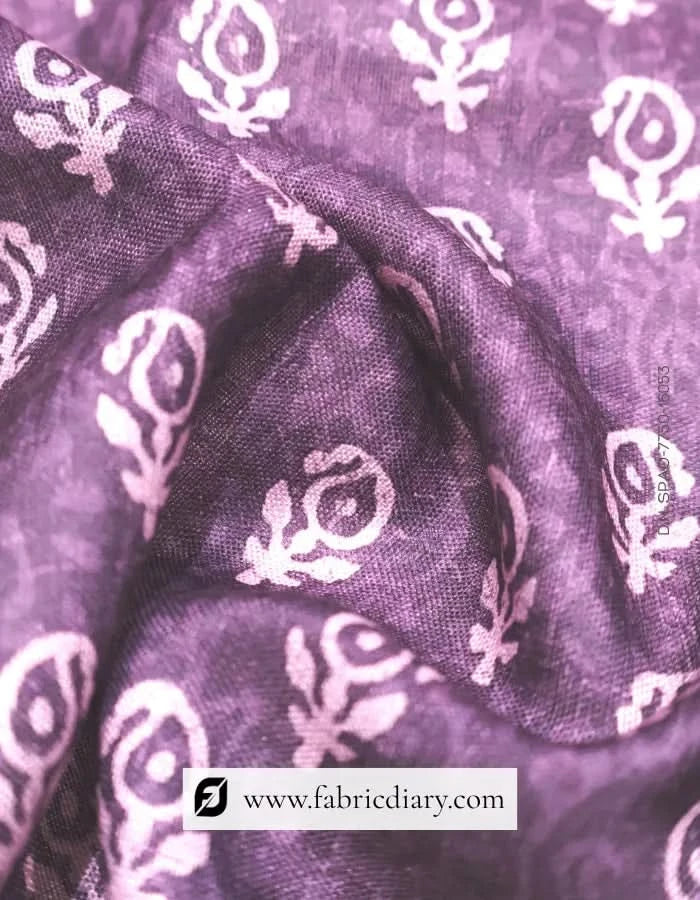
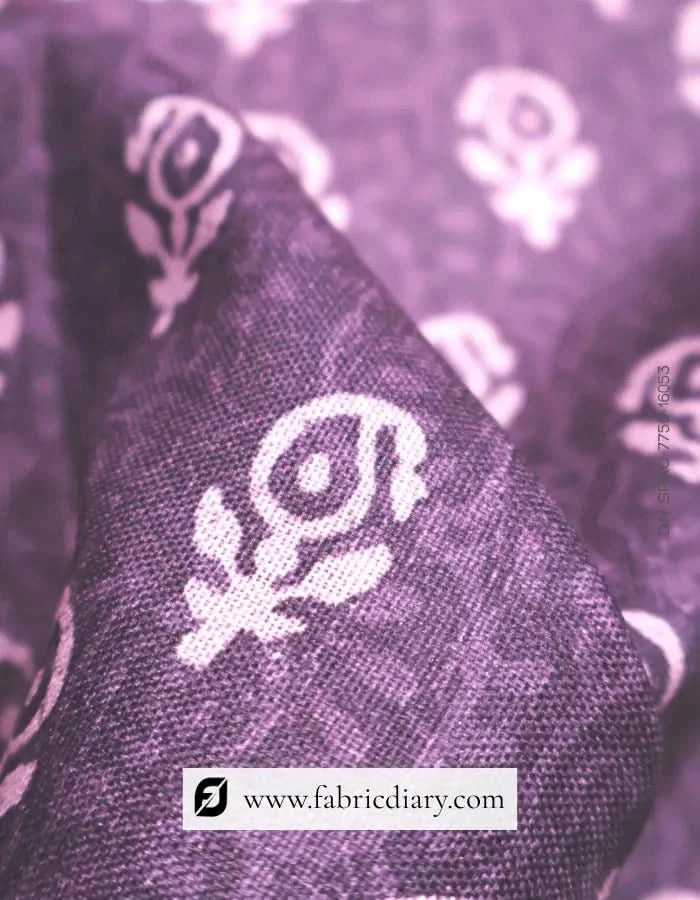
Tribal Print Fabric Poly Cotton [Kurta Material] SPAO-7750-16053
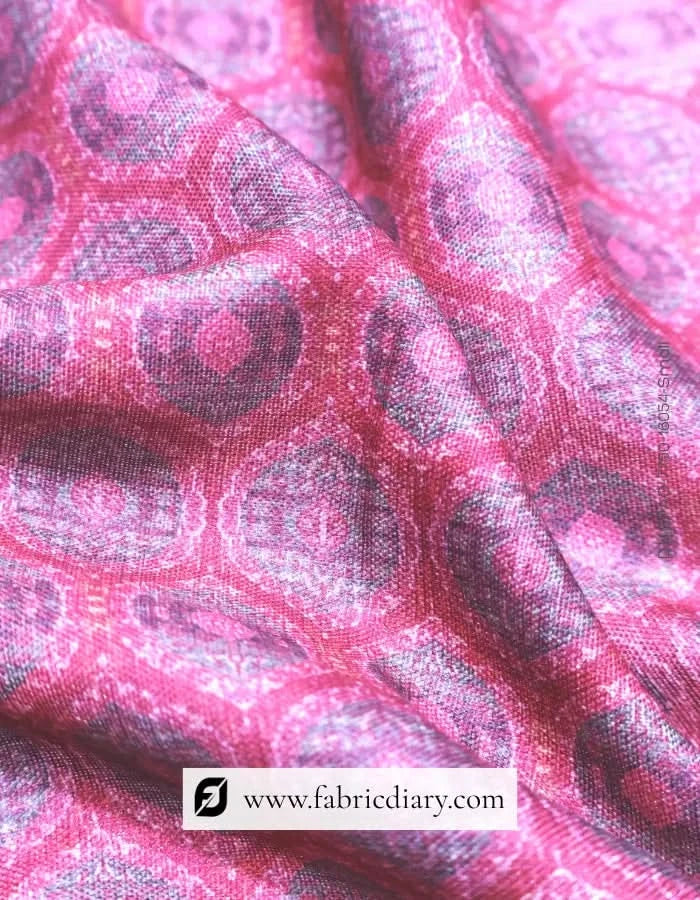
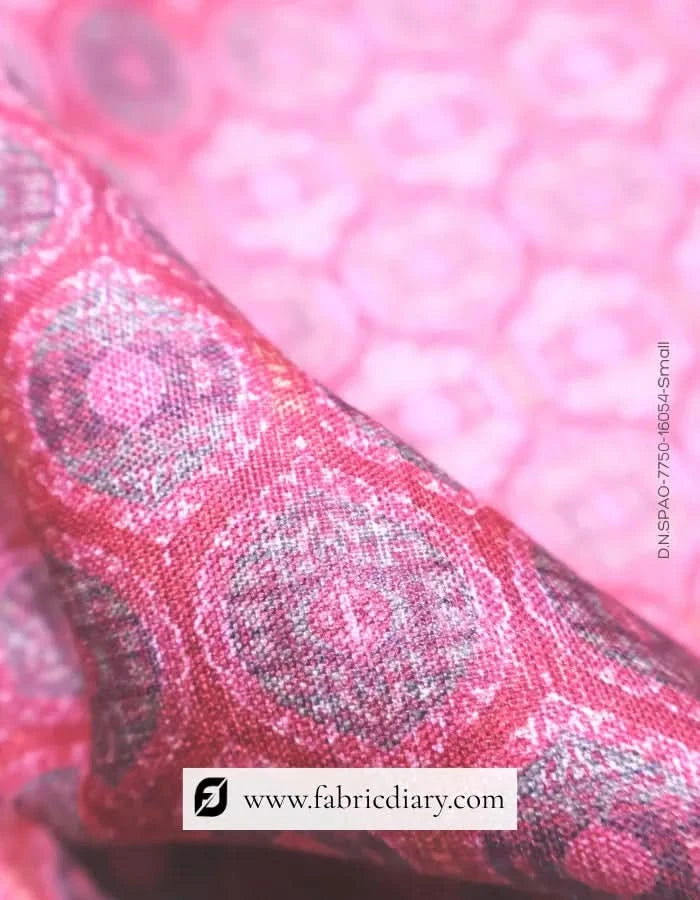
Poly Linen Cotton Print Fabric [Menswear & Festive] SPAO-7750-16054-Small
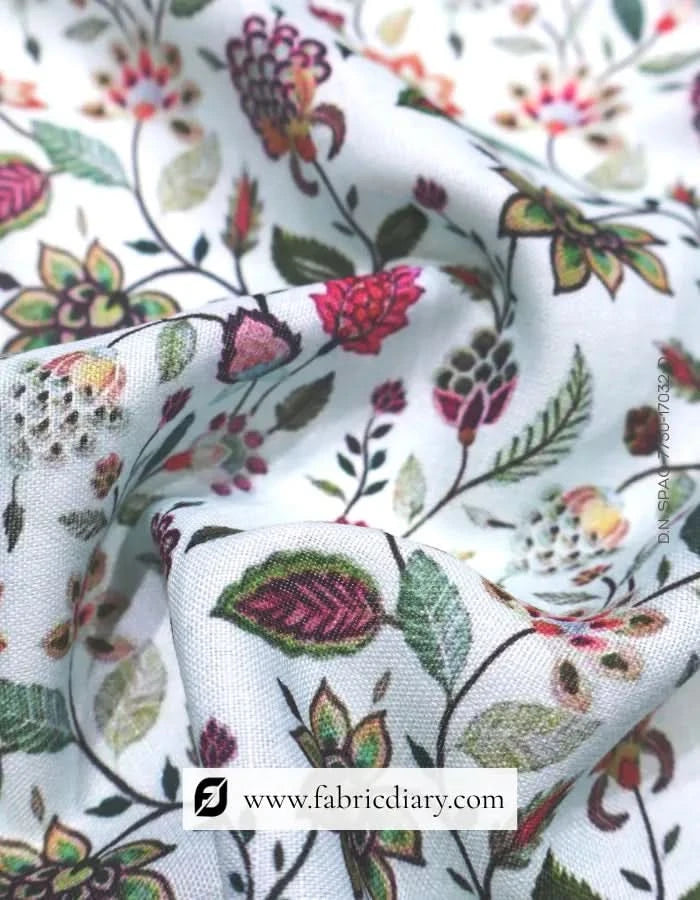
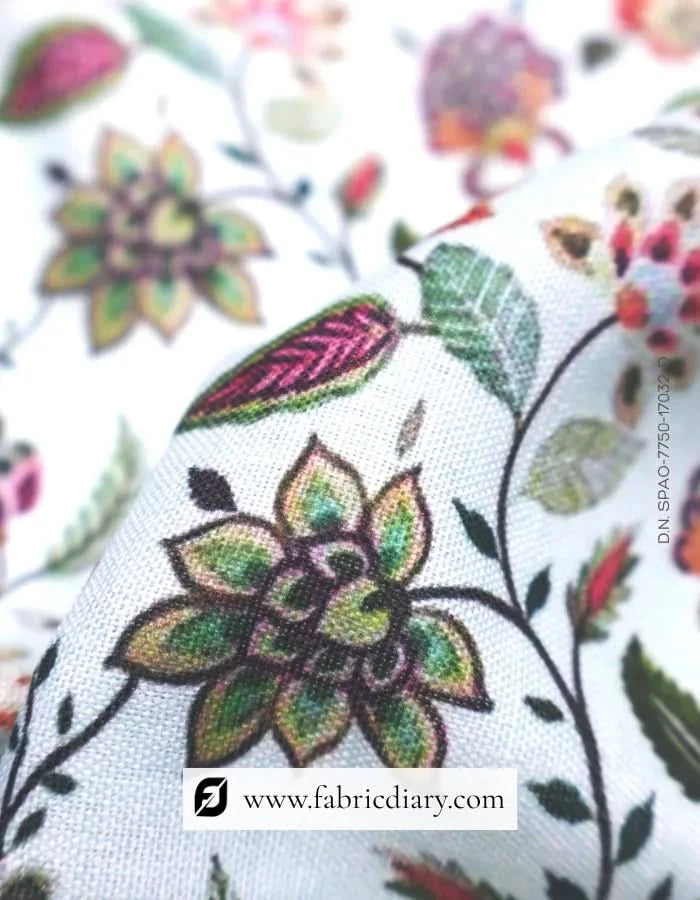
Digital Position Floral Fabric [Poly Linen Base] SPAO-7750-17032-D
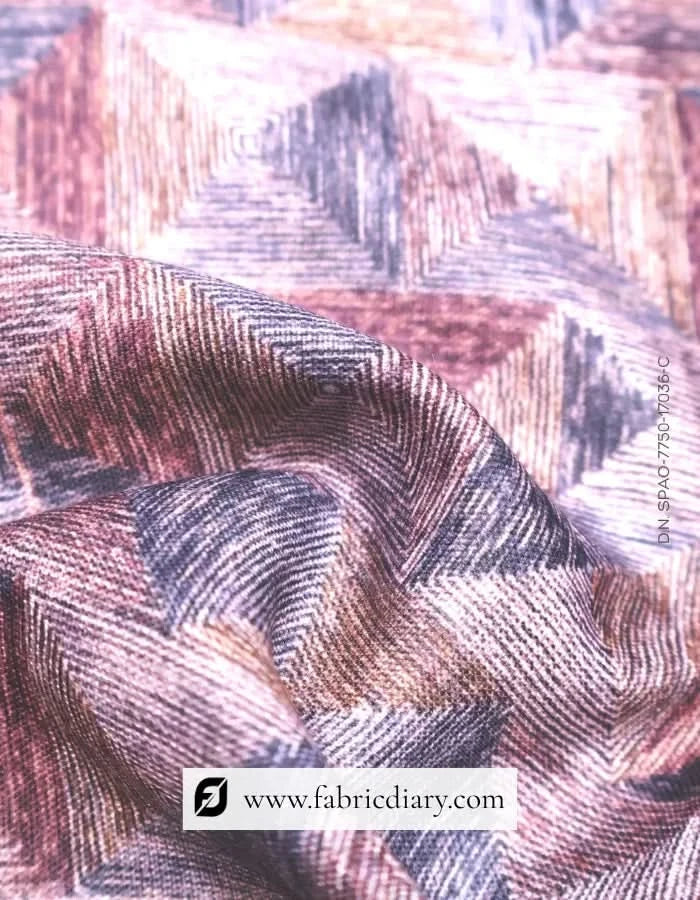
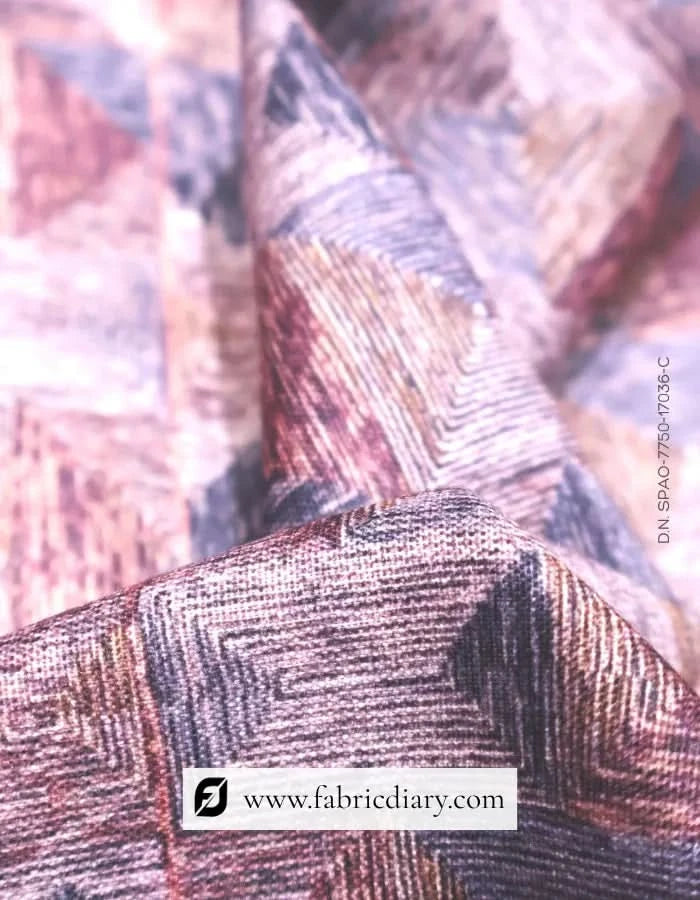
Art-Inspired Print Poly Linen Fabric [Kurta & Shirt] SPAO-7750-17036-C
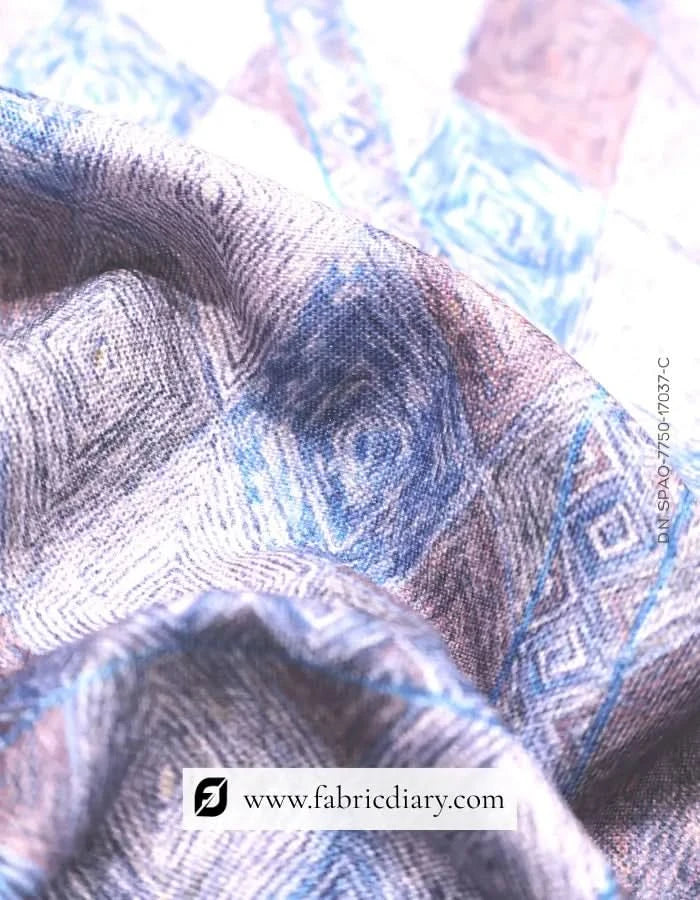
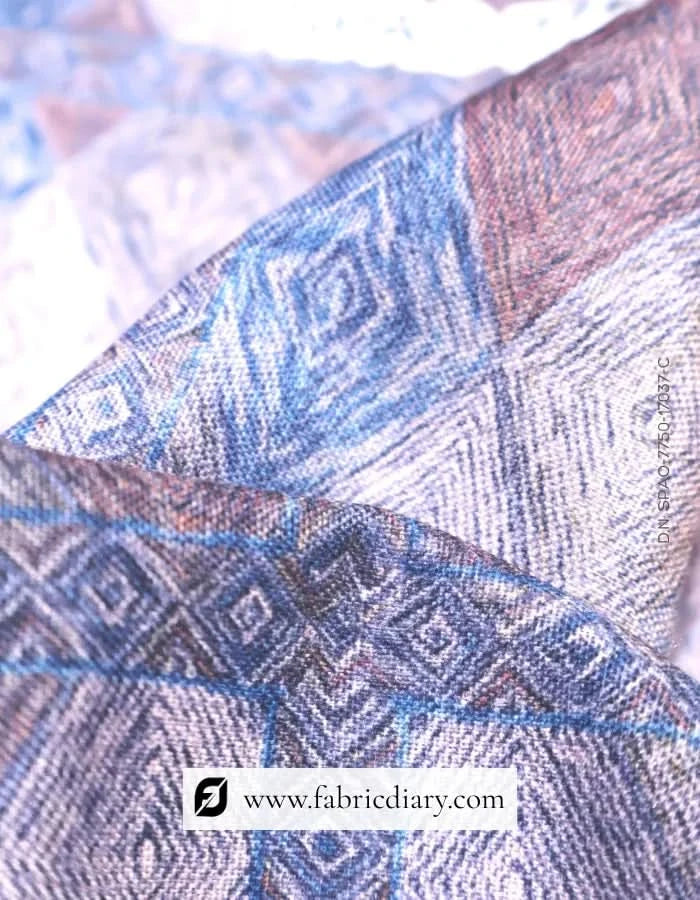
Small Dot Motif Poly Cotton Fabric [Daily Shirtwear] SPAO-7750-17037-C
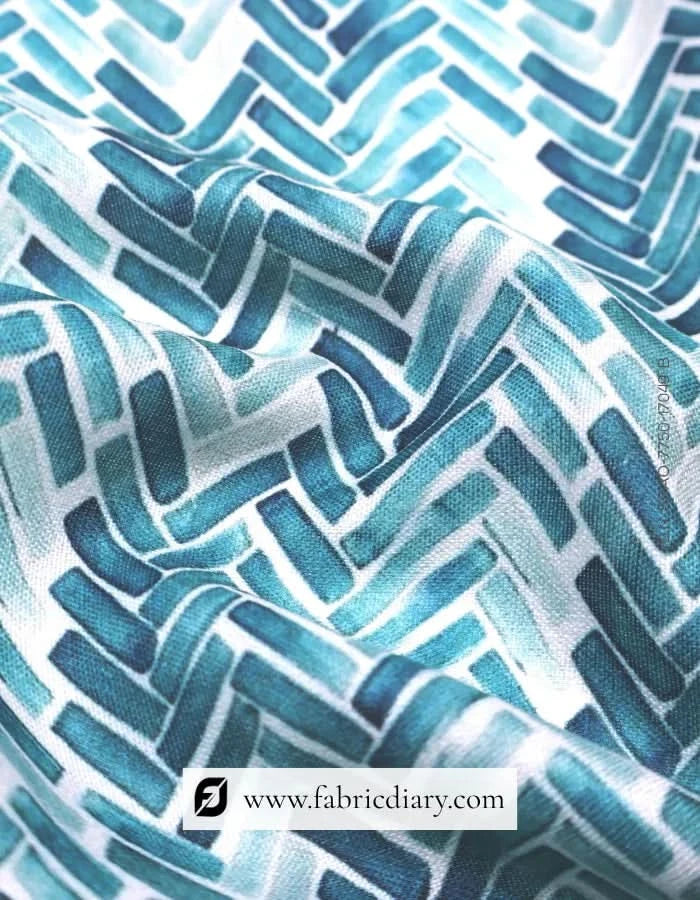
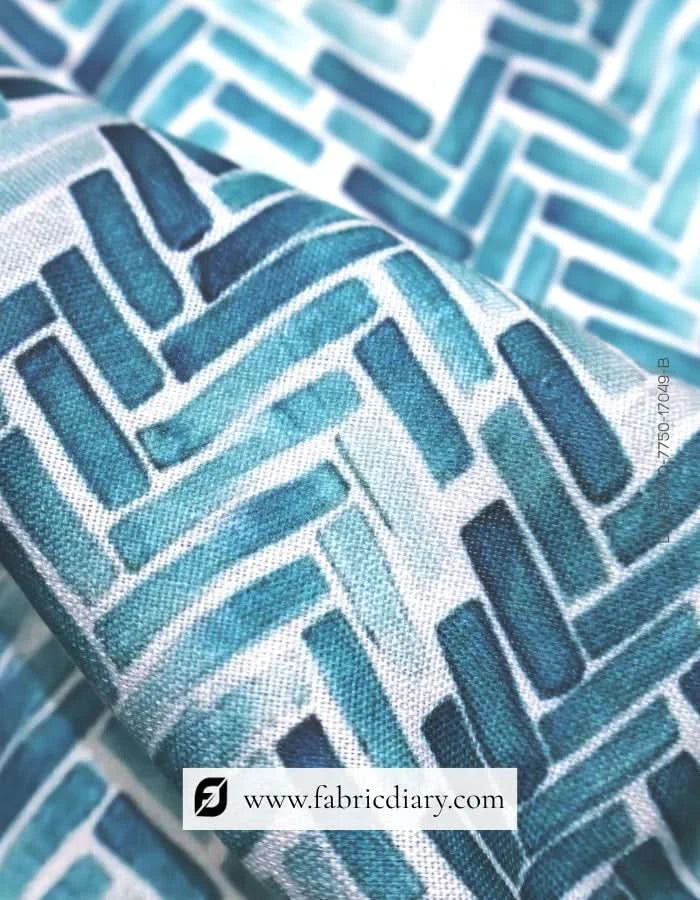
Tribal-Inspired Print Poly Linen Cotton Fabric [SPAO-7750-17049-B]


Light Floral Poly Cotton Fabric [Partywear Kurti Use] SPAO-7750-17104-A


Block Look Print Fabric [Poly Linen Cotton Base] SPAO-7750-17105-B---50% Small
- Featured
- Most relevant
- Best selling
- Alphabetically, A-Z
- Alphabetically, Z-A
- Price, low to high
- Price, high to low
- Date, old to new
- Date, new to old
A printed fabric buyer often has to make a practical choice: should the collection use a pure linen or cotton base, or a blended construction that delivers a similar visual direction with different commercial and production characteristics?
Poly Linen cotton Print fabric belongs to the second conversation.
It is intended for buyers looking for a printed textile with a linen/cotton-inspired character while working within the practical requirements of fashion production, repeat printing, cost control and scalable sourcing. The exact fibre composition, weave, finish, weight, width and hand feel can vary by fabric construction and production batch, so commercial buyers should confirm the specification of the selected base before approving production.
This makes the collection particularly relevant to apparel manufacturers, private-label brands, export houses, wholesalers, designers and boutiques developing repeatable garment programmes.
For buyers comparing blended constructions, the wider Blend & Poly Print Fabric collection provides the parent category, while this page focuses specifically on the Poly Linen Cotton construction.
What Makes Poly Linen Cotton Print Fabric Different?
The defining feature is the combination of a linen-cotton visual and textile direction with a synthetic/blended commercial construction.
That distinction matters when sourcing printed fabric.
Pure linen and pure cotton each have their own fibre behaviour. A blended or polyester-containing construction may instead be selected when a buyer is balancing appearance, handling, production consistency, wrinkle behaviour, cost and the requirements of a repeat commercial programme.
The fabric should therefore not be treated as a universal substitute for pure linen or pure cotton. It is a separate sourcing choice.
Depending on the particular construction, buyers may encounter a surface ranging from relatively smooth to visibly textured, with differences in drape, opacity, breathability, softness and sheen. These are not fixed collection-wide specifications. They should be checked against the actual fabric quality being sampled.
The most useful question is not simply:
“Does it look like linen cotton?”
It is:
“Does this particular construction deliver the appearance, hand feel, print result and garment behaviour required for my product?”
That is the decision this collection is designed to help buyers make.
Technical Profile: What Buyers Should Check Before Ordering
Poly Linen Cotton Print fabric should be evaluated as a construction rather than by its name alone.
For professional sourcing, the important checkpoints include:
-
Actual fibre composition: confirm the composition of the selected base rather than assuming a fixed ratio from the collection name.
-
Weave and surface: construction affects how sharply small motifs reproduce and how the finished print visually sits on the fabric.
-
Hand feel: samples should be evaluated for softness, crispness, smoothness and the intended garment category.
-
Drape: lighter constructions may behave differently from firmer shirt or kurta-oriented qualities.
-
Opacity: this matters particularly when the fabric is intended for dresses, kurtis or garments requiring greater coverage.
-
Weight: GSM can vary by quality and finishing, so the production specification should be confirmed rather than assumed.
-
Width: usable width is important for garment costing, marker planning and placement requirements and should be confirmed for the selected quality.
-
Surface finish: finishing can change the perceived handle, sheen and print appearance.
-
Colour development: printed colour should be assessed on the actual base fabric because the same artwork can appear different on different constructions.
For sampling-stage buyers, these checks can be handled through a physical fabric sample.
For larger production programmes, they become part of the approval specification before bulk printing begins.
Printing Behaviour: Allover Repeat or Placement Print?
For this collection, allover repeat printing is the more natural commercial orientation.
That means a motif or pattern is developed as a repeating artwork that can continue across continuous fabric yardage. This is particularly practical for kurtis, shirts, dresses, co-ord sets and other garments where fabric can be cut according to the garment marker rather than according to one predetermined motif position.
The repeat itself can vary considerably.
A buyer may require:
-
small conversational motifs
-
medium-scale florals
-
geometric repeats
-
ethnic-inspired patterns
-
larger artistic motifs
-
structured repeats for shirts and kurtas
-
colour-rich prints for festive or occasion-led collections.
The correct repeat size depends on the garment and cutting plan.
A large motif that works beautifully on a dress may be unsuitable for a narrow shirt panel. Similarly, a very small repeat may lose its visual character on a large garment.
Single-placement or engineered printing is also possible as a development direction when the garment requires it, but it should be specified separately. If a buyer needs a fixed border, panel, large central motif or garment-length composition, the artwork needs to be planned against the intended garment template.
That is different from ordinary allover repeat printing.
For buyers specifically seeking engineered placement designs, the relevant Position Printed Fabric architecture may be a better route.
Which Printing Process Is Appropriate?
Digital printing is particularly useful when artwork needs to be tested, changed or produced in a smaller development quantity. It allows a boutique, designer or private-label brand to develop buyer-specific artwork without committing immediately to a large mill programme.
Bulk mill printing, including rotary or screen-based production where technically suitable, becomes commercially relevant when the buyer is moving into a high-volume production programme.
The distinction is important:
Digital printing:
Artwork can remain flexible between sampling or smaller production runs. This makes it appropriate for design testing, boutique collections, private-label development and smaller buyer programmes.
Bulk mill printing:
The design is developed, colour-separated, repeated and approved before production. Once the artwork and production specification are locked, the mill route is optimized for consistency and production economics across the run.
Bulk production does not mean changing the print independently on every piece. Customization happens during development; after approval, the production run is executed against the agreed specification.
Where the Fabric Fits Best
The strongest applications are garments where a printed linen/cotton-inspired appearance is commercially useful and where the buyer wants continuous printed yardage.
Kurtis, Shirts and Everyday Fashion
The construction can work particularly well for printed kurtis and shirts where buyers want visible surface design without necessarily moving into a highly formal occasionwear fabric.
For manufacturers, repeat prints can simplify cutting and allow the same artwork to be used across multiple sizes.
Dresses and Co-ord Sets
Printed dresses and co-ord sets benefit from repeat artwork because the same fabric can create a coordinated visual language across tops, bottoms and accessories.
The actual suitability depends on the selected weight, drape and opacity.
Ethnic and Festive Garments
Ethnicwear manufacturers can use floral, geometric, traditional or contemporary artwork to build commercial kurta and coordinated collections.
The fabric is especially relevant when the buyer wants the visual direction of a linen/cotton-inspired printed textile without restricting the programme to pure-material sourcing.
Menswear
The collection can also support printed shirts, kurtas and selected festive menswear where the print scale and fabric construction are appropriate.
The existing FabricDiary assortment itself reflects use cases around menswear, festive styles, shirts, kurtis and dresses, reinforcing the commercial breadth of this collection without requiring the page to claim that every quality suits every garment.
How Different Buyers Should Evaluate It
A designer ordering fabric for an initial collection and an export house planning a large production run are solving different sourcing problems.
A boutique or designer may care most about whether the sample feels right, whether the artwork reproduces clearly and whether the fabric behaves correctly in the intended garment.
A private-label brand may place greater emphasis on repeatability, colour approval, artwork ownership, development communication and the ability to reproduce a successful design.
An apparel manufacturer or export house needs to think further ahead: construction consistency, print repeat, colour standards, usable width, cutting efficiency and production planning become critical.
A wholesaler or distributor may place stronger emphasis on commercially versatile designs, repeatability and the economics of the finished printed yardage.
There is another important choice: allover versus engineered placement.
Choose allover repeat when the garment programme needs continuous printed fabric that can be cut flexibly.
Choose engineered placement when the design depends on a specific border, panel, central motif or fixed garment position.
That decision should be made before artwork development because it affects the way the design is prepared and costed.
Sourcing and Manufacturing: Digital Development vs Bulk Mill Production
The most commercially useful sourcing model is to match the printing route to the stage of the buyer's programme.
For a new collection, a buyer may begin with a digital print development. This allows the artwork, colour palette and repeat to be evaluated on the actual fabric base.
The buyer can then assess:
-
print sharpness
-
colour appearance
-
motif scale
-
garment suitability
-
hand feel after printing
-
visual balance of the repeat.
If the design succeeds and the buyer moves into a substantial production programme, the same approved concept can be transferred into a bulk mill production workflow where the artwork and colour specification are locked during development.
This is the commercially important difference between “custom print” and “bulk customization.”
Custom development does not mean unlimited artwork changes during a running bulk order.
Instead, the development process establishes the approved artwork, repeat, colours and production requirements. The bulk run then focuses on reproducing that approved result consistently.
This approach is particularly relevant for manufacturers, export houses and wholesalers who need production discipline rather than one-off design changes.
Custom Print Development for Brands and Manufacturers
Poly Linen Cotton Print fabric can be developed around the buyer's intended collection rather than forcing every buyer into an existing print.
Depending on the construction and printing route, development discussions can include:
-
buyer-supplied artwork
-
original print development
-
colourway changes
-
repeat-size adjustment
-
motif-scale adjustment
-
allover repeat development
-
border or engineered placement requirements
-
colour matching against an approved reference
-
private-label collection development.
The first step should always be the base-fabric approval.
There is little value in perfecting artwork before confirming that the fabric's hand feel, opacity, drape and surface are appropriate for the final garment.
For buyers with an existing design file, a practical workflow is:
fabric selection → artwork review → repeat/placement decision → colour development → sample approval → bulk-production specification → production.
Global Market Demand: Where This Collection Makes Commercial Sense
South Asia is a natural market for this collection because buyers are familiar with linen, cotton, blended constructions and printed garment fabrics and often compare fabric choices directly before committing to production. Kurtis, shirts, ethnicwear and festive garments create strong relevance, particularly where printed yardage needs to work across commercially produced styles.
The Middle East can be relevant for buyers developing richer printed colourways, modest fashion and occasion-adjacent collections. Here, opacity and garment coverage can become important selection criteria, so buyers should confirm the actual fabric quality rather than assume that every Poly Linen Cotton construction has the same coverage.
Africa, particularly wholesale-oriented markets, can present opportunities for bold, high-contrast and larger-scale allover prints where price-per-metre and repeat consistency are commercially important. The exact design direction should be developed according to the target market rather than assuming one universal African print preference.
North America and Europe are more likely to include brand-led, private-label and boutique development where documentation, repeatability, fabric consistency and controlled sampling can matter more than simply choosing the lowest fabric cost.
The common thread across these markets is not a particular trend. It is the need to match fabric construction + print method + garment purpose + production volume.
Wholesale and Bulk Fabric Sourcing
Wholesale sourcing should begin by identifying which production stage the buyer is actually in.
For a sample-stage or small brand programme, digital printing can provide a practical route for testing a design and validating the garment before a larger commitment.
For a mid-size private-label programme, the buyer may use digital development first and then evaluate whether the approved artwork is suitable for a larger production run.
For an export house, garment manufacturer or high-volume wholesaler, bulk mill printing is the more relevant commercial model when the design has been finalized and the production specification is ready.
In that model, customization is completed during development:
artwork → repeat → colours → approval → production.
The objective of bulk production is then consistency and cost efficiency, not continual design changes between individual pieces.
For a serious wholesale enquiry, buyers should provide as much information as possible about the intended garment, approximate requirement, artwork status, preferred colour direction and whether the requirement is allover or engineered placement.
That gives the sourcing team a much better basis for recommending the appropriate print route.
Is Poly Linen Cotton Print Fabric the Right Choice?
This collection is worth considering when the buyer wants a linen/cotton-inspired printed look within a blended/poly commercial framework, especially for repeat printed garments where cost, handling and production practicality matter alongside appearance.
It may not be the best choice when the product specifically requires the distinctive natural-fibre behaviour of a particular pure linen or pure cotton construction.
Likewise, a buyer looking primarily for fluid drape, sheer transparency, formal occasionwear character or a specific luxury surface may need a different fabric family.
Within FabricDiary's wider ecosystem, buyers can compare this construction against alternatives such as Poly Linen Print Fabric, Poly Rayon Print Fabric and Poly Muslin Print Fabric.
The right selection should be made from the finished garment requirement backward, rather than from the fabric name forward.
Related Collections
For buyers entering from the broader printed-fabric category, the Printed Fabric collection provides the master category.
For blended and synthetic-oriented sourcing, explore the Blend & Poly Print Fabric parent collection.
Relevant sibling comparisons include Poly Linen Print Fabric, Poly Rayon Print Fabric and Poly Muslin Print Fabric.
Where the buyer's requirement is specifically engineered rather than continuous repeat printing, the Position Printed Fabric category is more appropriate. For buyer-supplied or newly developed artwork, Custom Print Fabric is the relevant development route.
FAQ
1. What is Poly Linen Cotton Print fabric?
It is a printed fabric collection based on a blended/poly construction developed around a linen-cotton visual and textile direction. The exact composition and technical specification should be confirmed for the selected quality.
2. Is Poly Linen Cotton the same as pure linen cotton?
No. A blended/poly construction should not automatically be treated as equivalent to a pure linen or pure cotton fabric. Fibre composition, hand feel, drape and performance can differ.
3. Is this fabric suitable for printed garments?
Yes, where the selected construction is appropriate for the intended garment. The collection is particularly relevant to printed kurtis, shirts, dresses, ethnicwear, co-ord sets and selected festive or menswear programmes.
4. Is the fabric lightweight?
The weight can vary by construction and finishing. Buyers should confirm the GSM and physical sample of the selected fabric rather than assuming one fixed collection-wide weight.
5. How should I evaluate transparency?
Check the actual fabric sample under the intended lighting and against the garment requirement. Opacity can vary with construction, colour, weight and finishing.
6. Does Poly Linen Cotton have a linen-like appearance?
It can be developed or selected for a linen/cotton-inspired appearance, but the exact surface depends on the construction and finishing of the fabric supplied.
7. Is allover printing suitable for this collection?
Yes. Allover repeat is a particularly practical orientation for continuous fashion yardage because the fabric can be cut flexibly across different garment sizes and styles.
8. Can I order a single-placement print?
A single-placement or engineered print can be considered when the garment requires a fixed motif, border or panel. It should be specified during artwork development rather than treated as the standard allover format.
9. Is digital printing available for small orders?
Digital printing is the more suitable route for sampling, smaller development quantities and buyer-specific artwork because the design can be changed more easily between development runs.
10. Is digital printing the best option for very high-volume production?
Not necessarily. Once a design is approved and the requirement becomes a large production programme, bulk mill printing can be more commercially appropriate, subject to the fabric and print process.
11. Can the print be customized?
Custom artwork, colourways, repeat dimensions and other development requirements can be discussed according to the selected fabric and printing process.
12. Can I change the design during a bulk mill run?
Bulk mill production is normally based on an approved production specification. Customization is carried out during development; once the artwork and colours are approved, the production run is intended for consistency rather than continual order-by-order changes.
13. Is this fabric suitable for shirts?
It can be suitable for printed shirts when the selected construction provides the required weight, drape, opacity and handle. Shirt-specific sampling is recommended before bulk approval.
14. Can manufacturers use it for kurtis and ethnicwear?
Yes. Printed kurtis and ethnicwear are relevant applications, particularly for allover repeats where manufacturers need flexible cutting across multiple sizes.
15. Is it suitable for dresses?
Selected qualities can work for dresses, but the buyer should check drape, opacity, surface and weight against the specific dress design.
16. Can private-label brands develop their own print?
Yes. Private-label buyers can discuss artwork development, colourways and repeat requirements. The development route should be chosen according to the expected production quantity.
17. What should a wholesale buyer specify when requesting a quotation?
The buyer should ideally specify the intended garment, approximate requirement, preferred fabric feel, artwork status, print orientation, colour requirements and whether the order is for sampling or bulk production.
18. Is this collection relevant for Middle Eastern buyers?
It can be, particularly for printed fashion and modest-wear programmes where colour development and fabric coverage are important. The actual opacity and construction should be confirmed from the selected sample.
19. Is this fabric useful for African wholesale markets?
It can be relevant where buyers require commercially priced printed yardage and bold allover artwork. The appropriate motif scale and colour palette should be developed around the specific target market.
20. Can FabricDiary help with international sourcing?
FabricDiary can support buyers evaluating printed fabric for sampling, custom development and larger sourcing programmes. International buyers should provide their fabric and print requirements so the appropriate development route can be discussed.
Poly Linen cotton Print fabric is best understood as a commercial sourcing option for buyers who want a linen/cotton-inspired printed textile while working with a blended/poly construction.
Its strongest value comes from making the sourcing decision practical: select the right base, decide whether the design needs allover repeat or engineered placement, test the artwork digitally when appropriate, and move an approved design into bulk mill production when the programme justifies it.
For small brands and designers, the sensible starting point is a fabric sample and digital development.
For manufacturers, export houses and wholesalers, the priority should be an approved production specification followed by a consistent bulk-printing route.
Next step: Request a fabric sample or send your print requirement to FabricDiary with the intended garment, artwork status and approximate order stage so the suitable Poly Linen Cotton quality and printing route can be evaluated.
FabricDiary Global B2B Sourcing Desk
Direct textile manufacturing facility supplying premium fabrics to Apparel Buying Houses, Fashion Merchandisers, Garment Exporters, and Boutique Labels across North America, Europe, the Middle East, and Africa.
Ready Stock MOQ
1 Meter (Immediate Dispatch)
Custom Production MOQ
30 Mtr (Dyes/Prints) | 300 Pcs (Patches)
Trims & Laces MOQ
Standard 9-Meter Rolls
Trade & Shipping Terms
FOB, CIF, DDP Air/Sea Freight
Read More about Poly Linen cotton Print fabric