

Leaf Veil Print Fabric
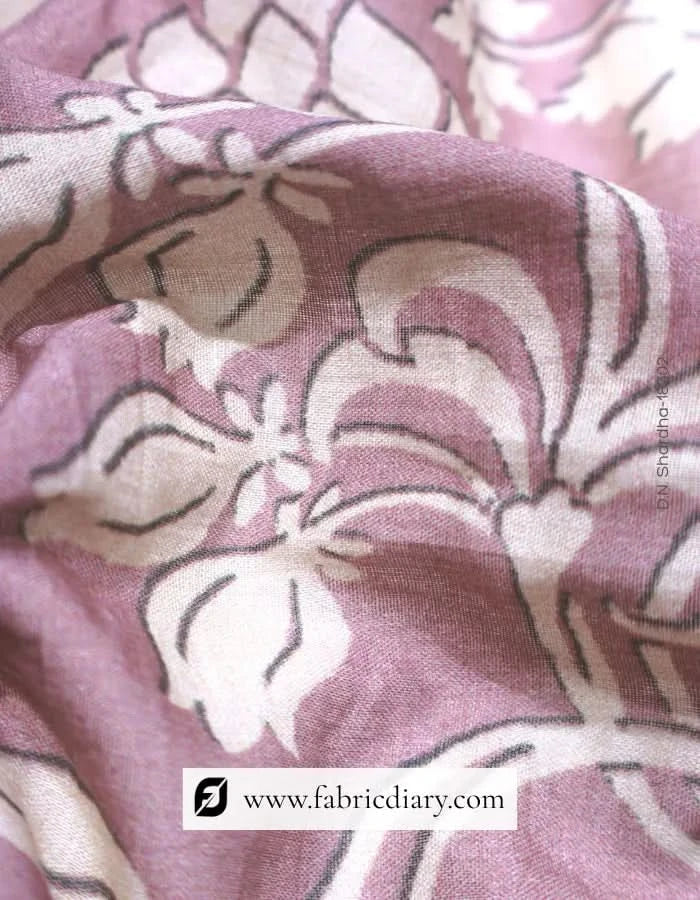
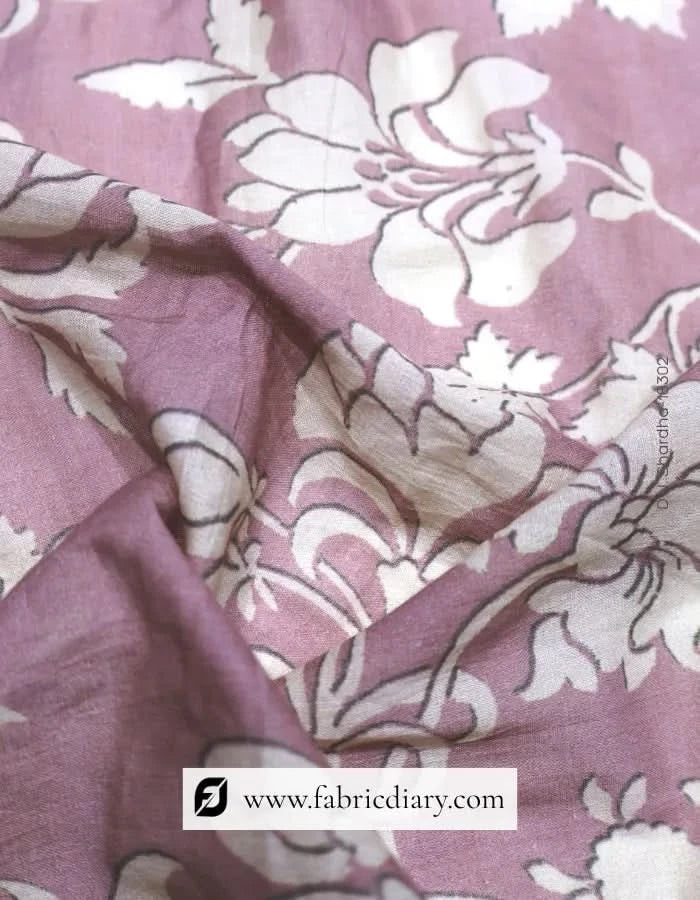
Digital Cotton Fabric by Yard for Apparel Manufacturing
- Featured
- Most relevant
- Best selling
- Alphabetically, A-Z
- Alphabetically, Z-A
- Price, low to high
- Price, high to low
- Date, old to new
- Date, new to old
A buyer looking for a leaf print is not necessarily looking for one particular fabric.
That is the commercial difference behind Leaf Veil Print Fabric.
The starting point is the visual language: foliage, leaves, botanical forms, layered greenery and nature-inspired motifs. The fabric underneath that artwork can then be selected around the garment, price position, desired drape, opacity, surface and production requirement.
This makes Leaf Veil particularly useful for fashion buyers who have already decided what the print should look like, but have not yet locked the textile construction.
FabricDiary places Leaf Veil within its Pattern / Occasion Printed Fabric structure rather than treating it as one fixed material category. That distinction allows buyers to move from visual concept to fabric selection without confusing a print identity with a fibre specification.
For a small fashion label, that may mean developing a few digital samples. For a garment manufacturer, it may mean approving one repeat and moving it into production. For a wholesaler, the priority may instead be dependable colour, repeat and fabric consistency across a larger programme.
The sourcing route changes. The leaf-led design identity does not.
What Defines a Leaf Veil Print Fabric?
The simplest way to understand this collection is to separate what the buyer sees from what the buyer wears.
The leaf veil element describes the artwork and surface appearance. The selected textile determines how that artwork behaves once it becomes clothing.
A fine botanical drawing printed on a fluid sheer base can create an entirely different result from the same artwork reproduced on a denser or more lustrous fabric. The motif may be identical; the commercial product is not.
That is why a serious sourcing discussion should establish the fabric separately from the print.
Depending on the selected construction, buyers may need to evaluate:
-
fibre or blend
-
yarn and construction
-
surface texture
-
softness and hand feel
-
drape
-
transparency
-
sheen
-
breathability
-
weight
-
finishing
-
usable width
-
colour behaviour after printing
None of these should be assumed solely from the phrase “Leaf Veil Print Fabric.” They belong to the particular base fabric and production specification being developed.
Why the same leaf design can look different on different fabrics
The substrate affects how the eye reads the artwork.
A fluid base can soften the movement of a large leaf repeat. A smoother surface can make outlines appear cleaner. A more transparent construction can create overlapping visual layers when motifs meet during garment construction.
For this reason, buyers should approve the printed fabric sample, rather than approving only a digital artwork file.
The question is not simply, “Does the leaf design look good?”
It is:
Does the design still look right after it becomes fabric?
Print Behaviour: Repeat, Scale and Placement
Leaf motifs are naturally adaptable to continuous printing.
That makes allover repeat the most commercially useful orientation for much of this collection. An allover design can run continuously across the cloth, allowing manufacturers to cut dresses, skirts, kurtis, dupattas or other garments from the same printed yardage.
Repeat design becomes particularly important when leaves vary significantly in size.
A very small repeat may read as a general texture from a distance. A large repeat can become a statement graphic and may require more careful cutting so important motifs are not unintentionally lost at seams.
The right scale therefore depends on:
-
garment size
-
cutting layout
-
motif density
-
desired visual impact
-
fabric width
-
whether the garment uses one or multiple panels
Allover repeat or engineered placement?
These are different commercial requirements.
Allover repeat is appropriate when the botanical design should continue across the fabric.
Engineered placement is appropriate when a specific leaf arrangement needs to appear in a predetermined location—such as a front panel, border, hem area or defined garment section.
If placement is the main design requirement, the buyer should explore Position Printed Fabric rather than forcing a placement requirement into a conventional repeat-print specification. FabricDiary itself distinguishes Position Print by where the artwork is positioned, while Custom Print describes how the artwork is developed.
That distinction is useful during sampling because repeat development, placement development and cutting requirements can lead to different production conversations.
Choosing the Right Printing Route
Leaf Veil designs can realistically be developed through both digital and conventional bulk printing routes.
The mistake is treating the two as interchangeable.
Digital printing makes sense when the buyer is still developing the collection. A boutique, designer, private-label brand or smaller fashion business may want to test several leaf arrangements, colourways or artwork versions before committing to a larger production programme.
Digital is particularly useful for:
-
sample development
-
small production programmes
-
artwork testing
-
multiple colourway experiments
-
buyer-specific designs
-
early private-label development
The value is flexibility.
Bulk mill printing, including suitable rotary or screen-based production, becomes more commercially relevant once the design is approved and the programme moves into larger production.
At that stage, the important work has already happened:
Artwork → repeat development → colour development → fabric approval → production approval
Once the design enters mill production, the objective is consistency and production efficiency.
A buyer should therefore not expect unlimited artwork changes on every bulk order. Customization is primarily settled during the development stage.
This difference is particularly important when a small designer and a large export house ask for “custom printing.” They may use the same words while describing completely different production requirements.
Where Leaf Veil Works in a Fashion Collection
Leaf prints have an advantage over highly occasion-specific motifs: they can be styled in several directions without depending on a particular season.
The strongest applications are garments where the print itself contributes to the identity of the piece.
Dresses and flowing silhouettes
Leaf repeats work naturally on dresses because the artwork can travel across the body while the fabric moves.
Fluid bases can create a softer botanical appearance, while smoother or more structured constructions can make the same print more graphic.
Sarees, dupattas and ethnicwear
For sarees and dupattas, repeat continuity becomes important because the textile has a long visual field.
Leaf motifs can also be developed for kurtis and contemporary ethnicwear where a botanical surface provides visual interest without relying on heavy embellishment.
Skirts, co-ords and resortwear
Allover leaf artwork is particularly practical for coordinated separates because the same repeat can be used across multiple garment components.
Resortwear is another natural application when the artwork direction is relaxed, botanical or nature-inspired.
For occasionwear, however, the base fabric, colour depth and styling matter more than the word “leaf.” Buyers seeking an explicitly evening- or party-led positioning may find a different collection more commercially aligned.
Who Should Source This Collection?
Leaf Veil is best suited to buyers who begin with a visual direction.
That includes:
-
fashion designers developing seasonal collections
-
boutique labels creating limited runs
-
private-label brands developing original ranges
-
garment manufacturers working from buyer artwork
-
export houses building coordinated printed collections
-
buying houses sourcing against a visual brief
-
wholesalers looking for repeatable botanical designs
Their priorities will differ.
A boutique may ask:
Can I see the print on the actual fabric before committing?
A private-label brand may ask:
Can this approved artwork be reproduced consistently?
A garment manufacturer may ask:
Will the repeat, fabric and colour remain stable throughout production?
A wholesaler may ask:
Can this design be supplied consistently across the quantity required?
Those are all legitimate Leaf Veil sourcing questions.
The collection should therefore not be sold purely on appearance. The commercial value comes from connecting the artwork to a workable textile and production plan.
Sourcing the Fabric Behind the Print
The most important sourcing decision is often made before printing begins.
Suppose the buyer wants a soft flowing dress. A lightweight, fluid construction may be more appropriate than a fabric selected purely because it produces a sharp print.
If the garment requires more coverage, transparency becomes a major consideration.
If the design depends on sheen, the surface of the chosen textile becomes part of the visual concept.
If the buyer is producing multiple garments from the same roll, repeat consistency becomes more important.
This is why the sourcing brief should not simply say:
“Need leaf print fabric.”
A more useful commercial brief includes:
Garment + base fabric preference + motif direction + repeat/placement + colourway + approximate order stage.
That gives the manufacturer enough information to recommend an appropriate development route.
Custom Leaf Veil Development
Not every buyer wants to select an existing print.
A brand may already have its own botanical artwork. A designer may want a particular leaf silhouette. A buying house may need several colourways built around one approved motif.
These projects belong to custom development.
Possible variables include:
-
buyer-supplied artwork
-
original botanical motifs
-
colourway development
-
motif enlargement or reduction
-
repeat-size adjustment
-
background colour
-
motif density
-
coordinated colourways
-
border development
-
garment-specific placement
The development route should be agreed before production.
This is also where the distinction between Custom Print and Position Print matters.
Custom Print concerns the artwork requirement.
Position Print concerns the location of that artwork.
A buyer can therefore have a custom leaf artwork that is allover, or a custom leaf artwork that is engineered into a garment panel. FabricDiary's Custom Print architecture explicitly supports buyer-developed motifs, colourways, repeats and garment-specific designs.
For a collection that needs exclusivity, artwork ownership and production intent should be discussed at the development stage rather than after bulk manufacturing begins.
Regional Buying Considerations
Leaf Veil has potential across several markets because botanical imagery is not restricted to one garment tradition. What changes from market to market is scale, colour, fabric choice and commercial quantity.
South Asian buyers are likely to evaluate the fabric and construction closely alongside the print. Sarees, dupattas, kurtis and ethnicwear make fabric behaviour particularly important, so buyers may compare several constructions before choosing the final base.
Middle Eastern buyers may favour richer colour development and flowing fabrics for fashion and modest occasionwear. Opacity can become an important specification where the finished garment requires greater coverage. The print itself should therefore be judged together with the selected substrate.
North American and European buyers may approach the collection through private-label or boutique development. Smaller initial programmes, clear specifications and dependable repeat-order reproduction can matter more than simply having a large catalogue of designs.
West and Central African buyers, where bold printed fashion is relevant, can be a strong fit for larger-scale botanical artwork and high-contrast colour combinations. Here, visual impact and commercial metre economics may outweigh very fine botanical detailing.
These are sourcing tendencies rather than fixed rules. A particular buyer's garment category and target price should always take priority.
Digital Sampling vs Bulk Mill Production
This distinction deserves its own sourcing decision because it directly affects how a buyer should approach FabricDiary.
For a boutique or designer
If the design is still being tested, digital printing is the logical starting point where technically suitable.
The buyer can evaluate:
-
fabric hand
-
print sharpness
-
colour
-
motif scale
-
garment appearance
-
transparency
-
overall visual balance
before moving into a larger programme.
For a growing private-label brand
A brand may first develop a small sample set and then select the strongest colourway or artwork for a larger run.
This is where a development sample becomes commercially valuable: it reduces the risk of scaling an artwork that looked right on screen but behaved differently on fabric.
For a manufacturer or export house
Once the artwork and fabric are approved, bulk mill printing becomes the more logical route for a high-volume programme.
The production design is locked during development. Repeat, colour and fabric specifications are established before the run so the mill can focus on consistent reproduction.
That is fundamentally different from ordering a large quantity while expecting every subsequent order to be redesigned individually.
When Leaf Veil Is—and Is Not—the Right Choice
Leaf Veil is a strong choice when the botanical motif is the starting point.
It is particularly useful when the buyer wants:
-
a nature-inspired visual identity
-
an allover botanical surface
-
flexibility across several garment categories
-
a print that can be adapted to different fabric bases
-
digital development before committing to larger production
-
custom colour or artwork development
It may not be the best route when another requirement dominates.
For predominantly flower-based artwork, Floral Printed Fabric is the more direct category.
When the purchasing decision begins with evening positioning, Evening Printed Fabric may be more relevant.
For party-focused collections, Partywear Printed Fabric provides a clearer occasion signal.
For bridal positioning, Bridal Printed Fabric may better match the buyer's commercial intent.
And when the buyer has already decided that a motif must occupy a particular garment location, Position Print becomes more relevant than a standard allover collection.
This separation protects both the buyer and the website architecture: each collection answers a different sourcing question.
Wholesale Buying: What to Confirm Before Production
Before moving from sample to production, a professional buyer should confirm more than the artwork.
The production discussion should establish:
-
the exact base fabric;
-
fibre or blend composition;
-
fabric construction;
-
agreed usable width;
-
relevant weight or GSM where applicable;
-
print technique;
-
approved artwork;
-
repeat dimensions;
-
colour references or approved sample;
-
allover versus placement orientation;
-
finishing requirements;
-
packing and shipment requirements;
-
production quantity;
-
approval process before bulk manufacture.
Not every item will be relevant to every project.
The important point is that the collection name should never replace a proper technical specification sheet.
A buyer sourcing a Leaf Veil print for a premium dress and a wholesaler buying a larger programme may use the same collection page while requiring completely different technical documentation.
That is why sample approval should remain part of the purchasing process.
Related Collections
For buyers navigating FabricDiary's wider catalogue, the most useful routes are:
-
By Pattern / Occasion — parent collection for pattern-led and occasion-led discovery.
-
Printed Fabric — broad printed-fabric hub.
-
Floral Printed Fabric — when flowers rather than foliage define the artwork.
-
Evening Printed Fabric — when eveningwear is the main commercial positioning.
-
Partywear Printed Fabric — for party-led collections.
-
Bridal Printed Fabric — when bridal application is the dominant intent.
-
Position Printed Fabric — when motif placement is engineered around the garment.
-
Custom Print — when the buyer needs original artwork, custom repeats or exclusive development.
The broader Printed Fabric page should remain the authority for generic printed-fabric sourcing. This page should instead concentrate its topical authority around leaf and botanical print requirements.
FAQs
1. What is Leaf Veil Print Fabric?
It is a pattern-led printed fabric category centred on leaf, foliage and botanical-style artwork rather than one fixed fibre or fabric construction.
2. Is Leaf Veil a particular type of fabric?
No. Leaf Veil describes the print identity. The actual textile can vary depending on the selected base fabric and production requirement.
3. What base fabrics can carry a Leaf Veil print?
Suitable bases can vary according to artwork and end use. Chiffon, georgette, satin, muslin, silk-related fabrics and net are among the types that may be considered, but the exact fabric should be confirmed for each project.
4. Is Leaf Veil Print Fabric always lightweight?
No. Weight depends on the underlying textile. A buyer should request the specification of the actual fabric being sampled.
5. Can Leaf Veil fabric be sheer?
Yes, if the selected base is transparent or semi-transparent. This is why opacity should be checked on the physical sample rather than inferred from the print name.
6. Is an allover repeat better for Leaf Veil?
For most pattern-led applications, an allover repeat is the more straightforward commercial format because the fabric can be cut into different garments from continuous yardage.
7. Can I order a single-placement leaf design?
Yes, where the artwork needs to be engineered around a garment panel or defined location. In that situation, Position Printed Fabric may be the more appropriate sourcing category.
8. What is the difference between allover and placement printing?
Allover printing repeats the artwork across the fabric. Placement printing plans the artwork around a particular area, panel, border or garment location.
9. Is digital printing suitable for leaf artwork?
Yes. Digital printing can be particularly useful for artwork testing, sampling, small programmes and buyer-specific development.
10. When should I use bulk mill printing?
When an approved artwork is moving into a larger production programme where repeatability, consistency and production economics are more important than frequent design changes.
11. Can the artwork change after bulk production starts?
Bulk mill production is normally organized around an approved design. Significant artwork changes should be handled as a new development rather than treated as unlimited modifications within the same production run.
12. Can I develop my own leaf artwork?
Yes. Buyer-supplied or newly developed botanical artwork can be considered as part of a custom print development programme.
13. Can the same leaf artwork be produced in different colourways?
Colourway development can be discussed during the design-development stage. The final appearance should be evaluated on the actual fabric because the substrate affects colour perception.
14. Is Leaf Veil suitable for sarees?
It can be, particularly where the repeat works across the long visual field of a saree. Fabric drape, transparency and repeat scale should be checked before production.
15. Is it suitable for dresses?
Yes. Leaf prints can work especially well on dresses when the motif scale is selected in relation to the garment silhouette.
16. Can boutiques use Leaf Veil for sampling?
Yes. Digital printing can be a practical route for sample-stage development where the fabric and project are technically suitable.
17. Can manufacturers buy Leaf Veil fabric in bulk?
Yes. Once the artwork and textile specification are approved, a larger production programme can be developed through a suitable bulk printing route.
18. Is Leaf Veil suitable for Middle Eastern fashion buyers?
It can be, especially for flowing dresses and modest fashion. Buyers should pay particular attention to opacity, drape, colour depth and the final garment construction.
19. Is Leaf Veil suitable for African wholesale markets?
It can be, particularly when the artwork uses larger botanical motifs and stronger colour contrast. The appropriate scale and commercial quantity should be determined from the buyer's target market.
20. What information should I provide for a Leaf Veil sourcing enquiry?
The most useful starting information is the intended garment, preferred fabric if known, artwork or visual reference, colour direction, motif scale, allover or placement requirement and whether the project is at sample, development or bulk-production stage.
Leaf Veil Print Fabric should be approached as a design-led sourcing category, not as a substitute for a fabric specification.
The strongest results come when the buyer connects four decisions early:
the leaf artwork + the right textile base + the right print orientation + the right production route.
A boutique testing a new collection may need digital development and a physical sample. A private-label brand may need several colourways before choosing one. A manufacturer or export house may need an approved repeat that can move into consistent bulk mill production.
That flexibility is the real commercial value of the collection.
Next step: Request a Fabric Sample with your intended garment, preferred base fabric, artwork direction and required print orientation.
FabricDiary Global B2B Sourcing Desk
Direct textile manufacturing facility supplying premium fabrics to Apparel Buying Houses, Fashion Merchandisers, Garment Exporters, and Boutique Labels across North America, Europe, the Middle East, and Africa.
Ready Stock MOQ
1 Meter (Immediate Dispatch)
Custom Production MOQ
30 Mtr (Dyes/Prints) | 300 Pcs (Patches)
Trims & Laces MOQ
Standard 9-Meter Rolls
Trade & Shipping Terms
FOB, CIF, DDP Air/Sea Freight
Read More about Leaf Veil Print Fabric