
Printed Fabric
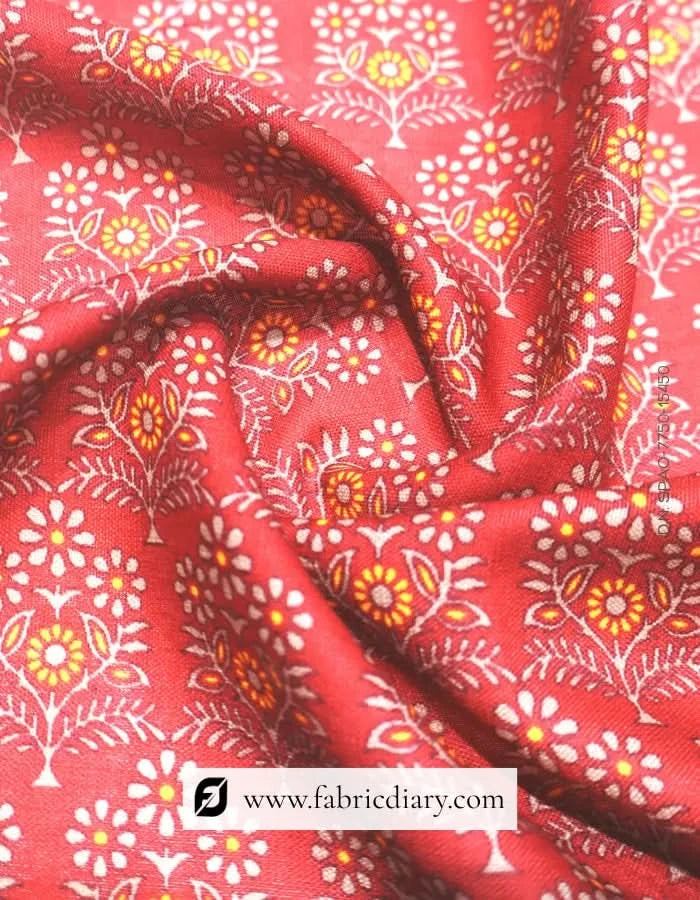
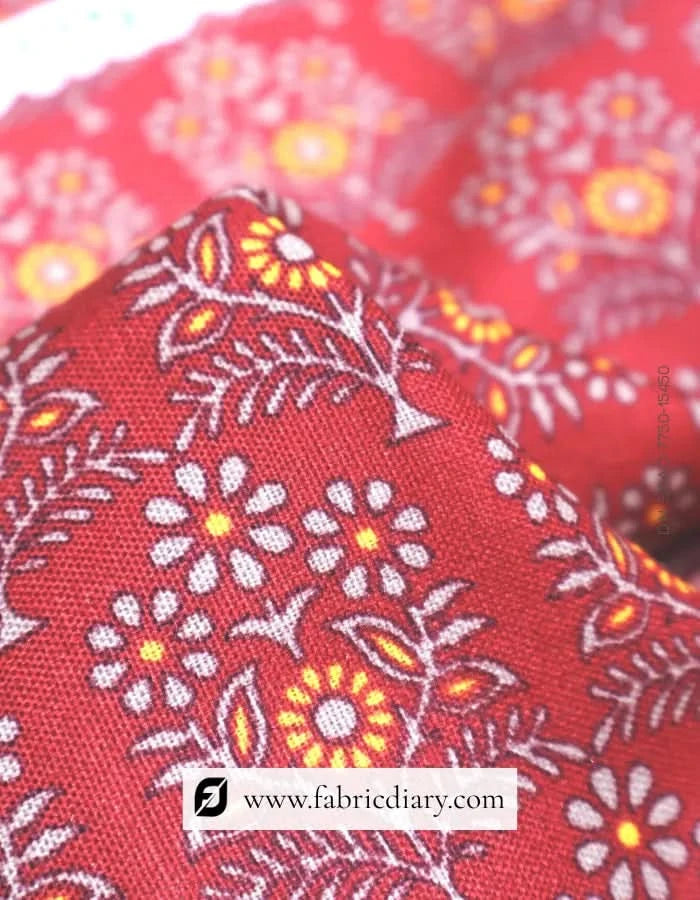
Kurti Print Poly Linen Cotton Fabric [Geometric Style] SPAO-7750-15450
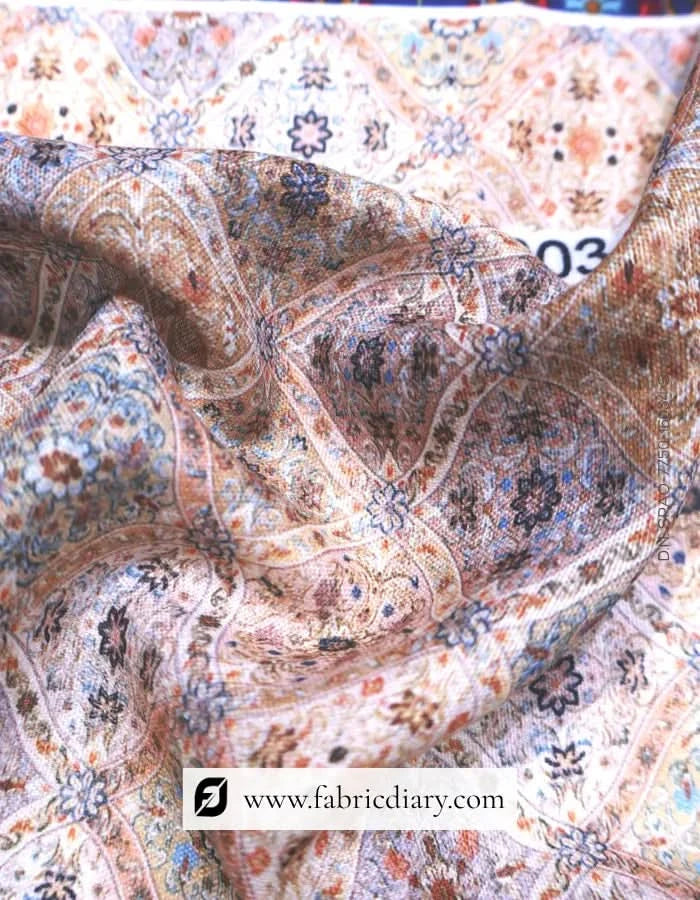
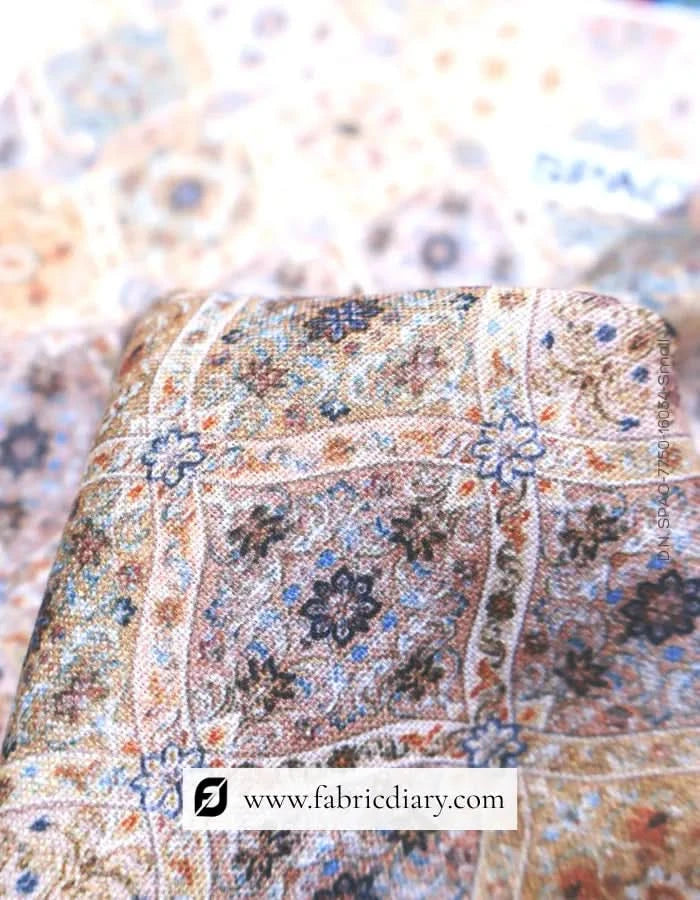
Vintage Poly Linen Print Fabric [Traditional Look] SPAO-7750-16034-Small
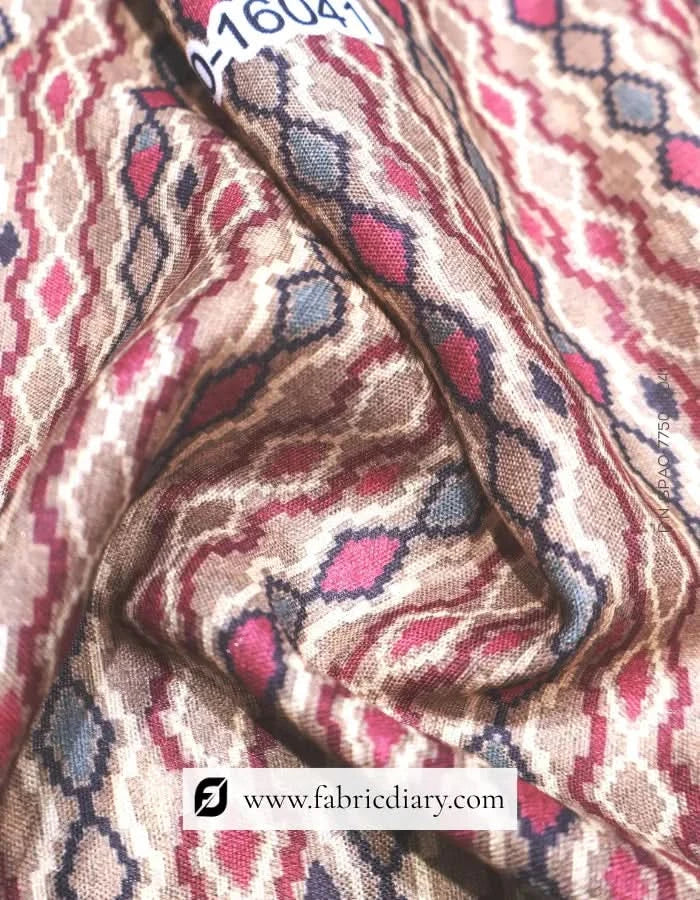
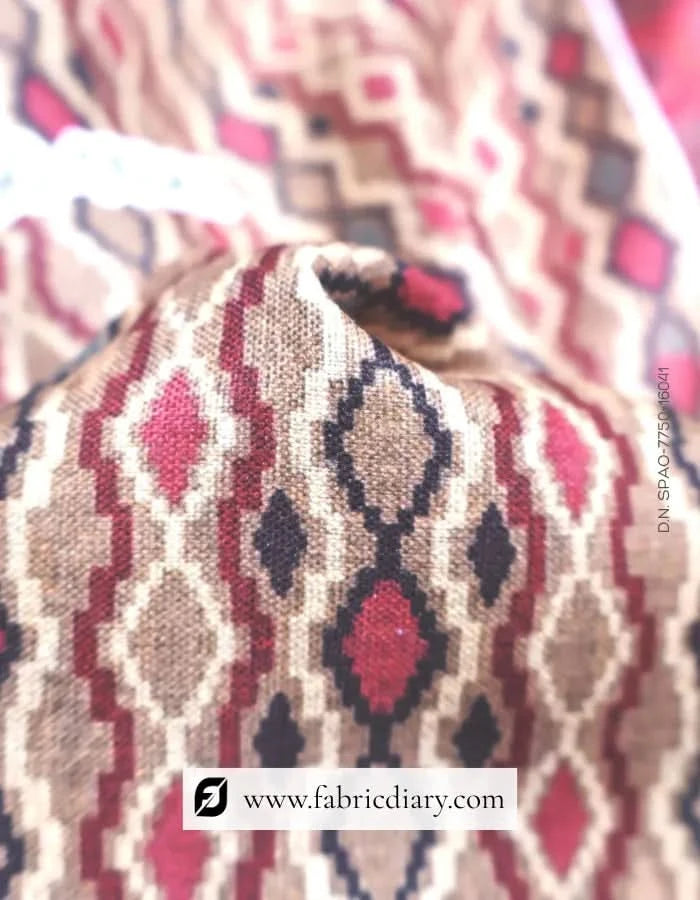
Exclusive Motif Poly Linen Cotton Fabric [SPAO-7750-16041]
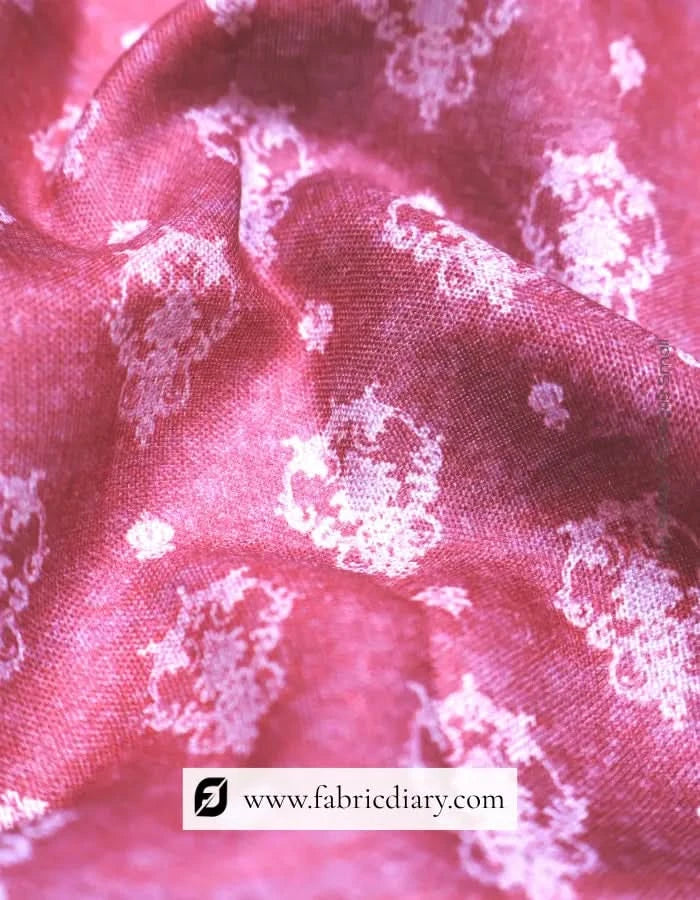
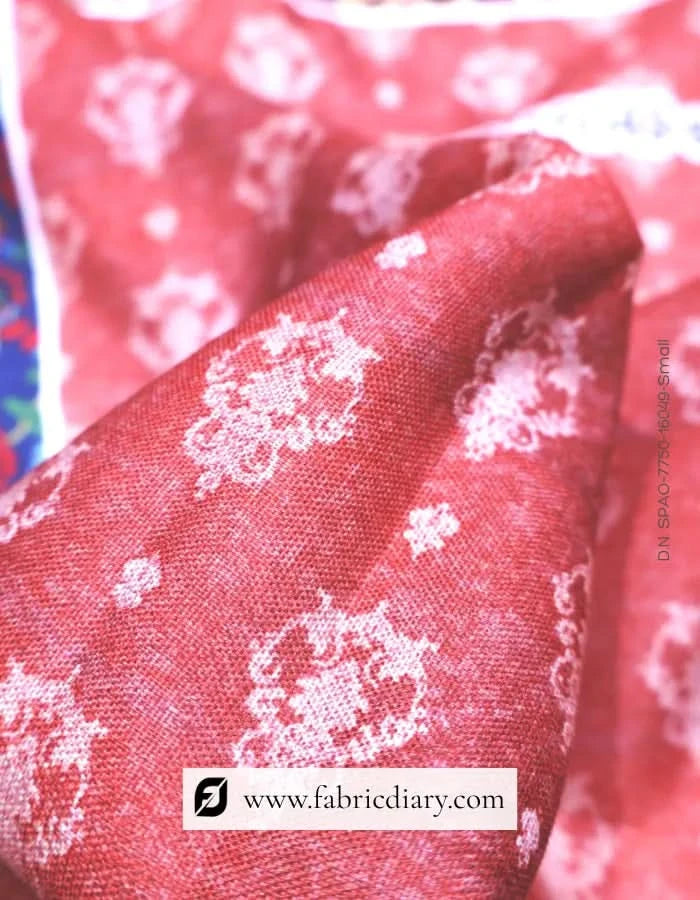
Allover Floral Printed Fabric [For Designer Dresses] SPAO-7750-16049-Small
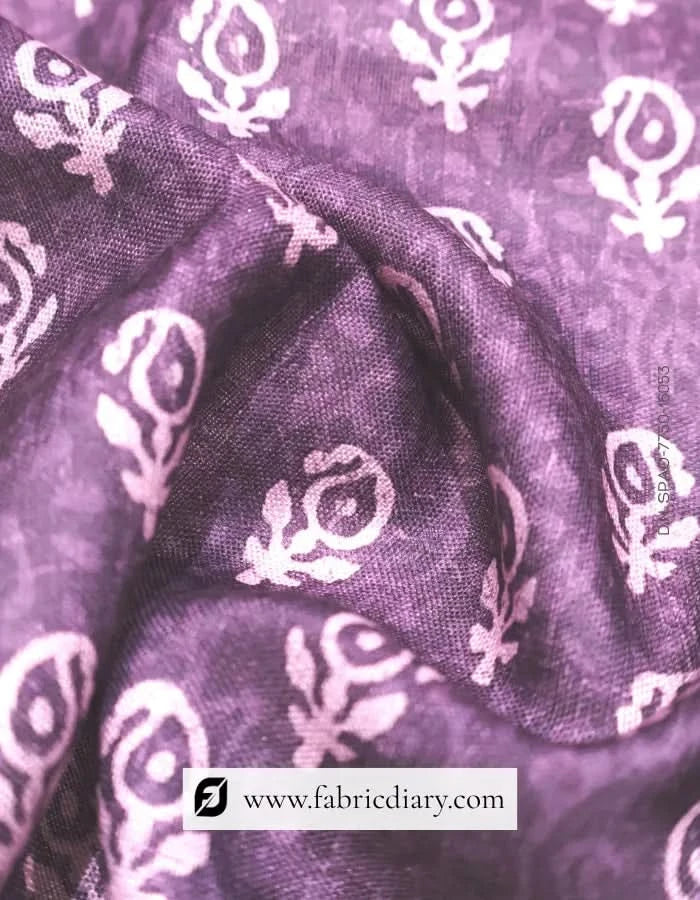
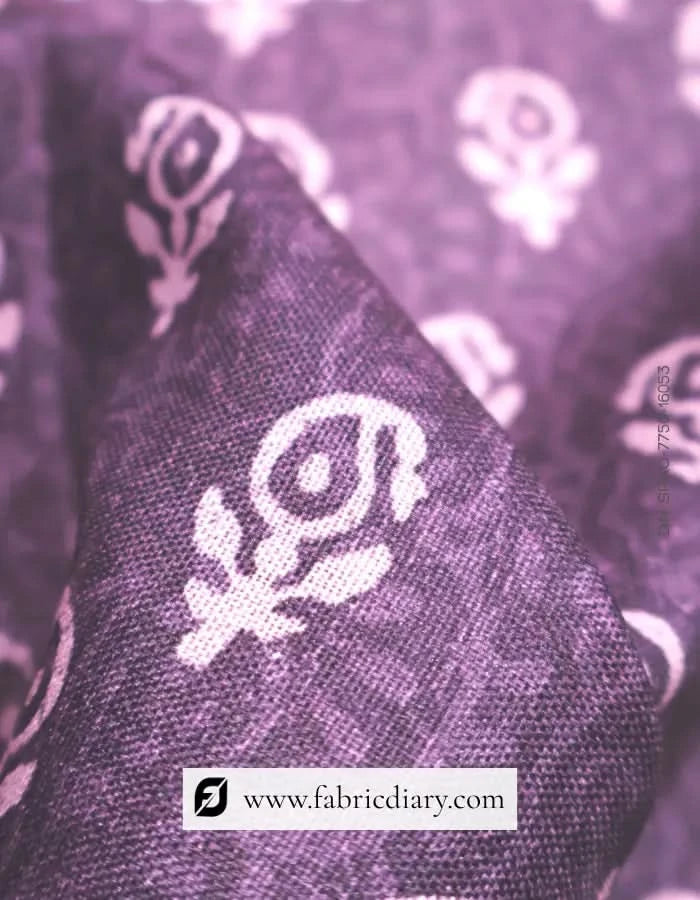
Tribal Print Fabric Poly Cotton [Kurta Material] SPAO-7750-16053
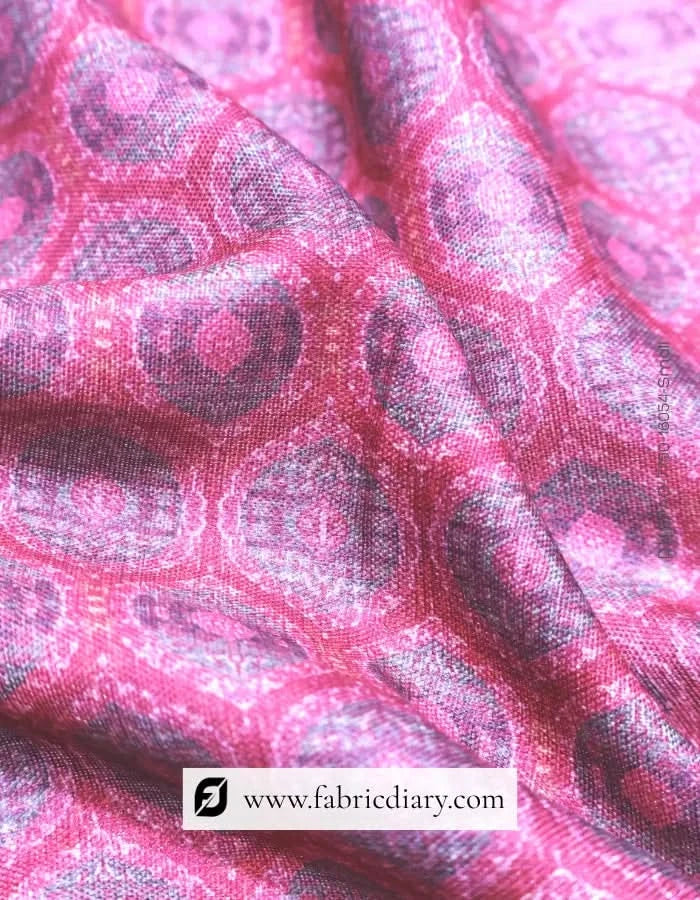
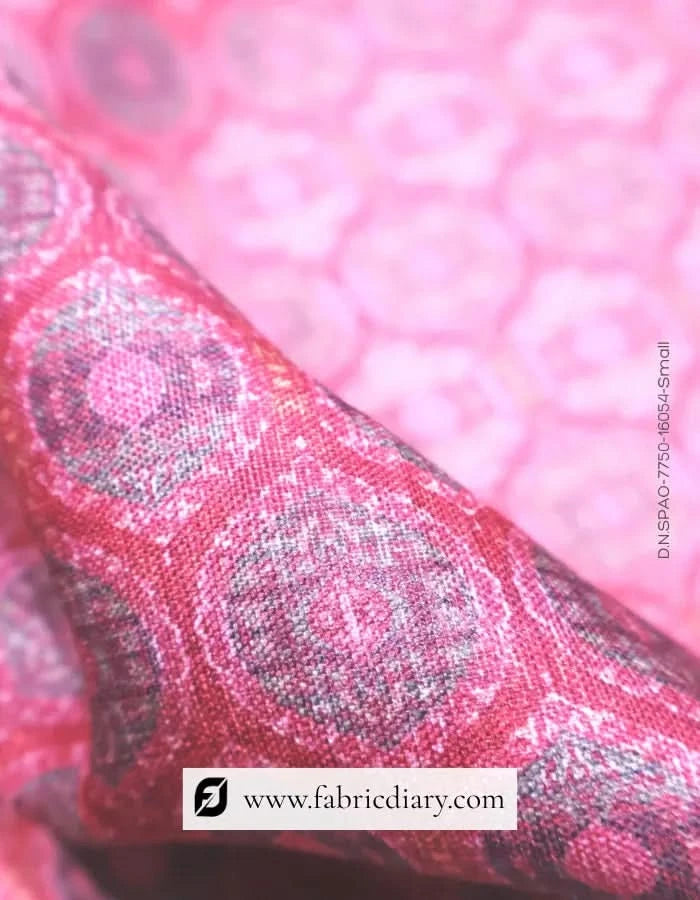
Poly Linen Cotton Print Fabric [Menswear & Festive] SPAO-7750-16054-Small
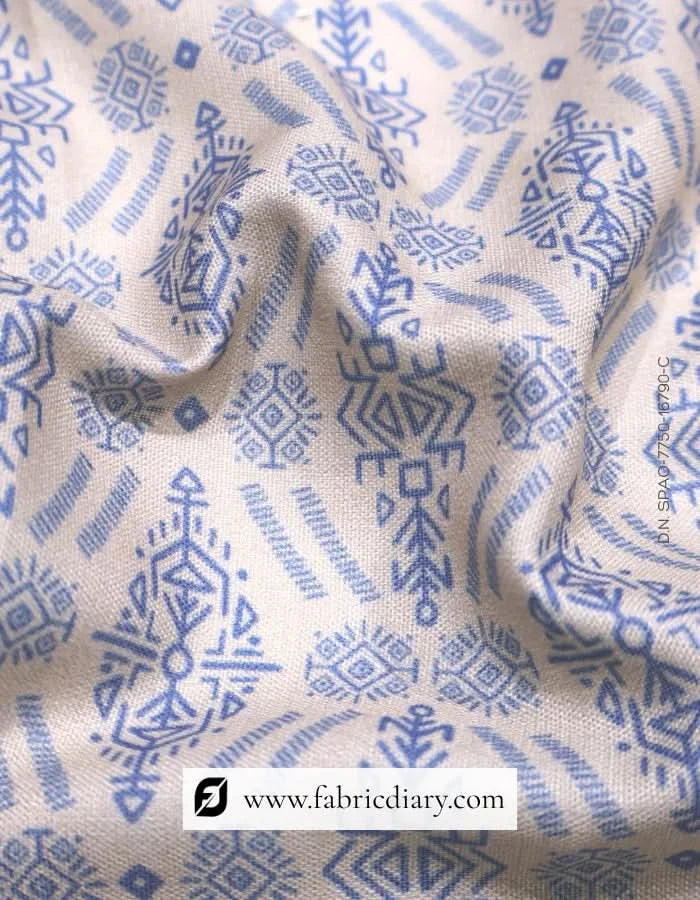
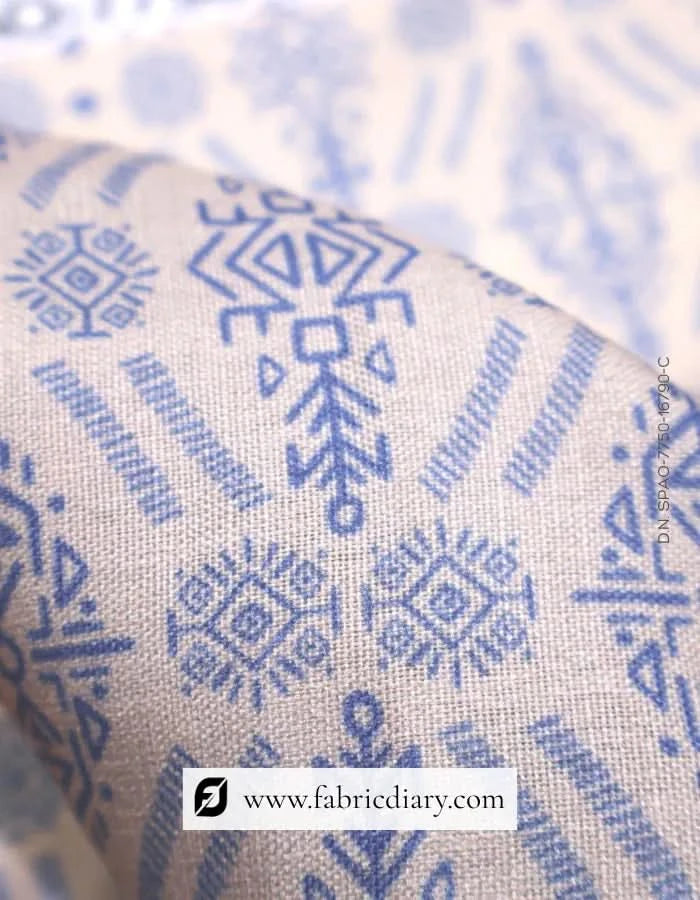
Digital Poly Linen Cotton Fabric [Shirts & Dresses] SPAO-7750-16790-C
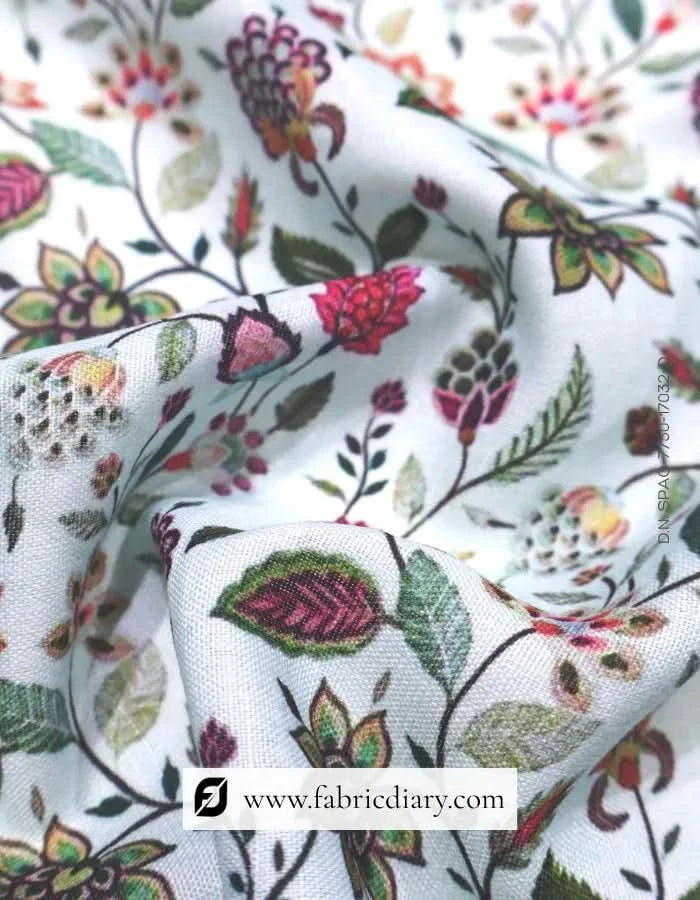
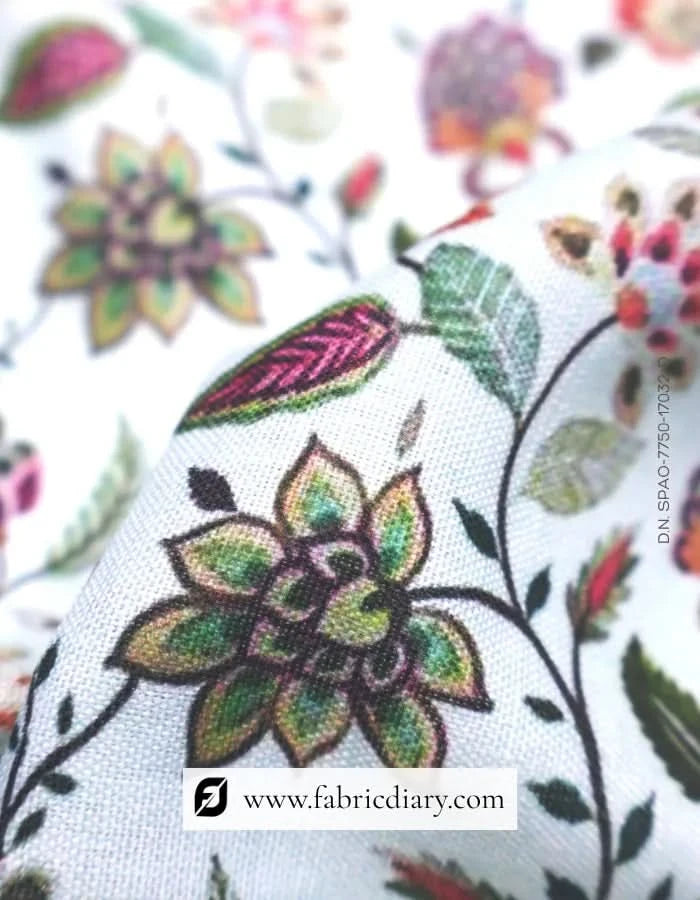
Digital Position Floral Fabric [Poly Linen Base] SPAO-7750-17032-D
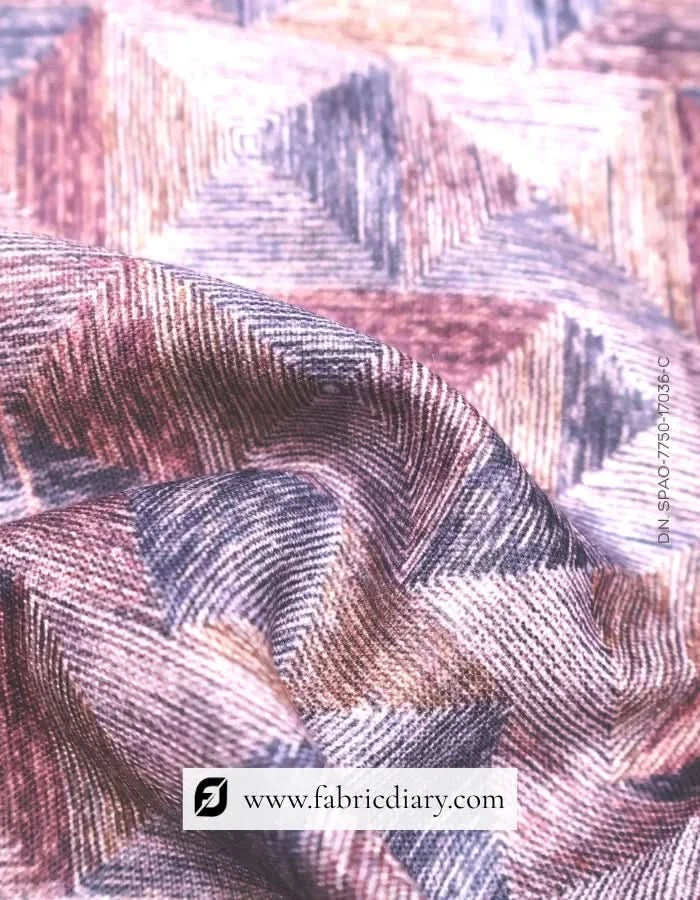
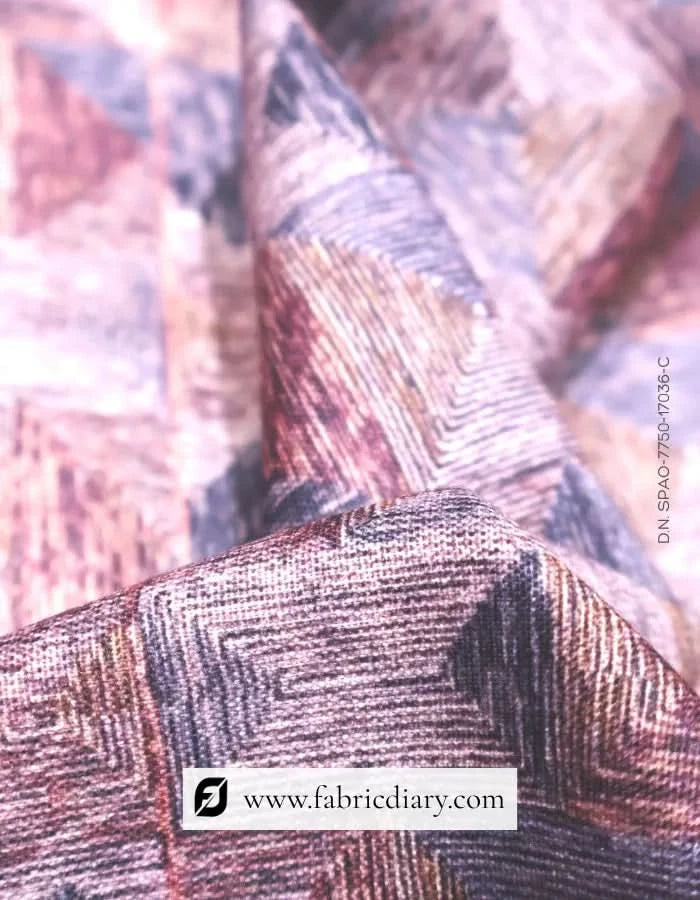
Art-Inspired Print Poly Linen Fabric [Kurta & Shirt] SPAO-7750-17036-C
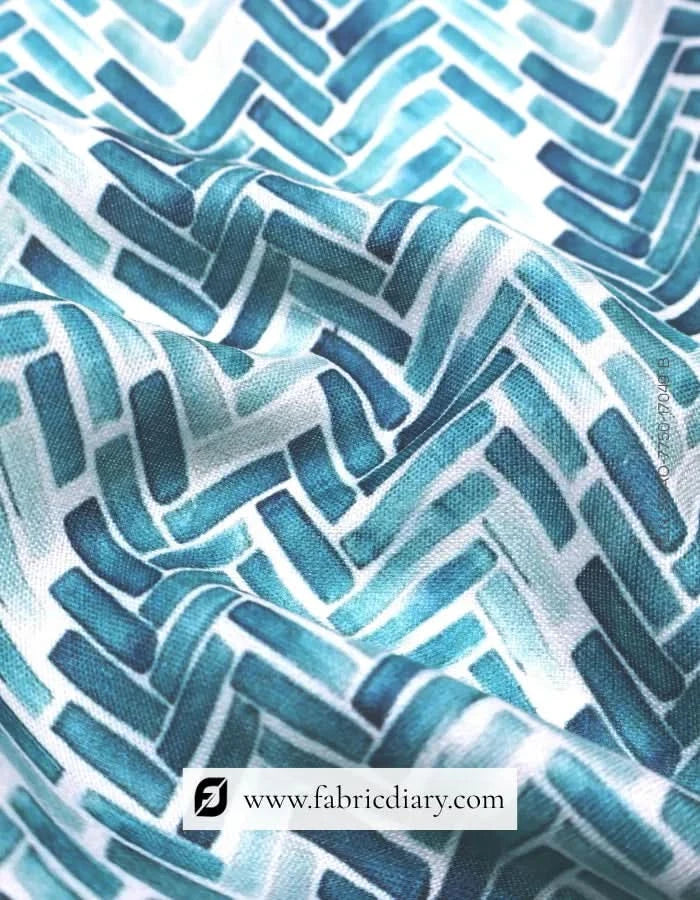
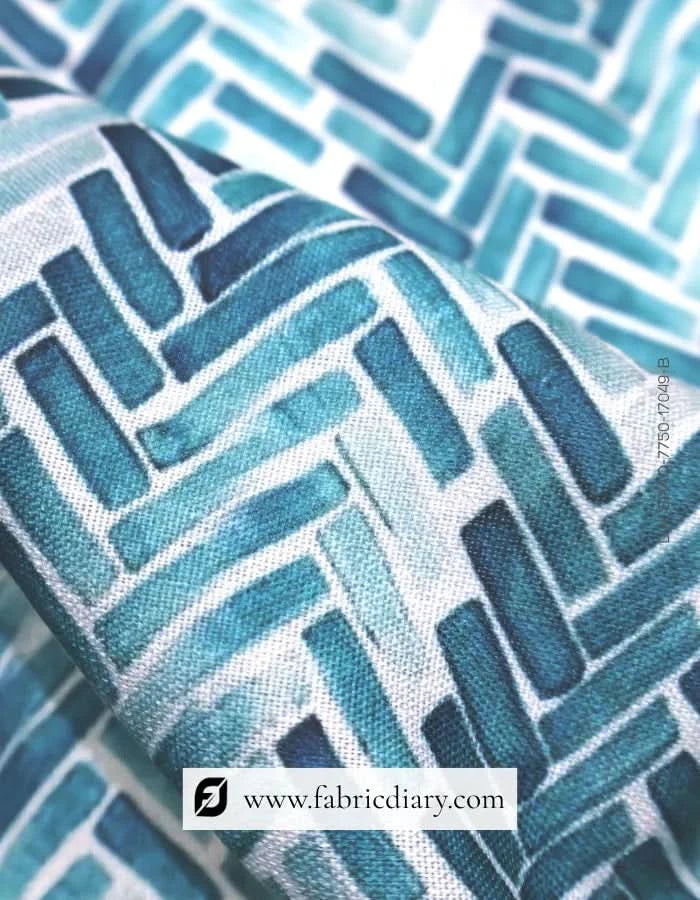
Tribal-Inspired Print Poly Linen Cotton Fabric [SPAO-7750-17049-B]


Block Look Print Fabric [Poly Linen Cotton Base] SPAO-7750-17105-B---50% Small


Designer Poly Linen Cotton Fabric [Kurti & Shirt Use] SPAO-7750-17108-A
- Featured
- Most relevant
- Best selling
- Alphabetically, A-Z
- Alphabetically, Z-A
- Price, low to high
- Price, high to low
- Date, old to new
- Date, new to old
Printed fabric is a broad textile category in which artwork, motifs, colours or other visual elements are applied to a textile surface through a controlled printing process. It is not defined by one fibre, one weave, one pattern or one production method.
The fabric selected underneath the print is just as important as the artwork itself. Fibre composition, construction, surface, GSM where relevant, absorbency, drape, opacity, dimensional behaviour and finishing can all influence how a printed design looks and performs in a finished garment.
That makes printed fabric sourcing a combination of fabric selection, print development, garment application and production planning.
A fashion designer may begin with a motif, colour palette or collection concept. A garment manufacturer may start with an established fabric construction and require consistent print development across production. A buying house may coordinate multiple designs between brands and manufacturers. A boutique or ecommerce label may need flexible development across several designs before deciding which products to scale.
A larger fashion business may instead begin with approved artwork, an established fabric specification and a substantial repeat-production requirement.
The appropriate production route therefore depends on the project.
FabricDiary's Printed Fabric ecosystem brings together material-led collections, blended and synthetic constructions, pattern- and occasion-led designs, Position Printed Fabric, Custom Print and Farma Print. The structure allows buyers to begin from the point they already understand—fabric, design, garment placement or development requirement—and move into a more specific collection.
Digital textile printing is an important part of this ecosystem, particularly for design development, sampling, multiple artwork variations and flexible production programs. However, digital printing is not automatically better quality than mill-scale printing. Likewise, mill-scale printing is not inherently better simply because it is industrial.
The practical choice depends on the fabric, artwork, approved specification, quantity, repeat requirements, production setup and commercial economics.
The right printed fabric is the one where the fabric, artwork, garment and production strategy work together.
Explore the Printed Fabric Ecosystem
FabricDiary organizes Printed Fabric into six sourcing routes.
By Fabric Type
For buyers who already know the material or fabric construction they need.
By Blend & Poly Print Fabric
For buyers looking for blended or synthetic-based fabric constructions.
By Pattern / Occasion
For buyers who begin with visual direction, pattern, fashion category or occasion.
Position Printed Fabric
For artwork engineered for defined areas or sections of a garment.
Custom Print
For buyer-developed artwork, custom motifs, colourways, repeats and garment-specific print development.
Farma Print
For buyers specifically looking for the garment-oriented and coordinated print terminology represented by this product category.
These routes are complementary rather than competing categories.
A buyer may search for Pure Muslin Printed Fabric because the material is already specified. Another may begin with Floral Printed Fabric because the visual direction comes first. A garment developer may require Position Printed Fabric for a defined panel, while a private-label brand may need Custom Print based on its own artwork.
This architecture is designed to support different sourcing journeys while keeping Printed Fabric as the central collection.
What Is Printed Fabric?
Printed fabric is textile material onto which a decorative, graphic or other specified design is transferred through a printing process.
The print becomes part of the fabric's visual identity, but the finished textile remains a combination of the base fabric and the print.
This distinction matters because the same artwork can produce different results on different fabrics.
A detailed floral design printed on a smooth satin surface will have a different visual character from the same artwork on cotton. A colour-rich design on a lustrous fabric may interact differently with light than it does on a matte surface. Fine artwork on flowing georgette or chiffon also needs to be evaluated in relation to movement, transparency and garment construction.
Printed fabric should therefore be evaluated as a fabric-and-print system, rather than as artwork alone.
Common applications include:
-
Dresses
-
Kurtis and tunics
-
Sarees
-
Dupattas
-
Lehengas
-
Blouses
-
Gowns
-
Skirts
-
Shirts
-
Co-ord sets
-
Jackets
-
Kaftans
-
Resortwear
-
Occasionwear
-
Contemporary ethnicwear
-
Children's fashion
-
Private-label collections
-
Fashion accessories
The correct base fabric depends on the intended garment, required drape, opacity, surface character, season, design language and production requirements.
Why the Base Fabric Matters
A print cannot be evaluated independently of the textile on which it is produced.
Fibre Composition
Cotton, silk, viscose-based materials, nylon, polyester and blended constructions can behave differently during preparation, printing, finishing and garment manufacturing.
Fibre composition can influence:
-
Absorbency
-
Colour development
-
Hand feel
-
Drape
-
Surface character
-
Heat response
-
Dimensional behaviour
-
Finishing requirements
The fibre therefore forms part of the print specification.
Fabric Construction
Weave, yarn arrangement, fabric stability and surface structure can influence how artwork appears on the finished textile.
A stable woven construction may behave differently from a lightweight, fluid fabric. Satin surfaces, textured constructions and sheer materials can each create different visual effects.
Surface
The surface changes how colour and artwork are perceived.
Smooth fabrics can provide a clean visual field, while lustrous or textured fabrics may introduce additional visual depth. Surface character can also affect how fine artwork is perceived at garment level.
GSM
GSM should be considered in relation to the intended garment rather than treated as a standalone measure of quality.
A lightweight fabric may be appropriate for flowing dresses, dupattas or layered garments, while a more substantial construction may suit a different garment structure.
Drape
Drape is particularly important for georgette, chiffon, crepe, satin, muslin and other fluid constructions.
A print that appears attractive on a flat swatch should still be evaluated when the fabric is folded, draped or developed into the intended garment.
Opacity
Opacity becomes important for dresses, gowns, sleeves, overlays, dupattas and other garments where layering or lining may be involved.
The required opacity depends on the end use and garment construction.
Absorbency and Colour Behaviour
Different fibres and fabric preparations interact with colour differently.
This is one reason a printed fabric specification should include the base fabric rather than focusing only on artwork.
Dimensional Stability
For production programs, buyers should consider fabric behaviour through printing, finishing, cutting and garment processing.
Changes in dimensions can affect repeat relationships, cutting and final garment appearance.
Finish
Finishing can influence:
-
Surface feel
-
Lustre
-
Softness
-
Colour appearance
-
Drape
-
Overall garment character
For professional sourcing, the visual appeal of a print is only one part of the decision.
Printed Fabric by Fabric Type
For buyers who already know the textile base they require, material-led sourcing is often the most direct route.
FabricDiary's By Fabric Type ecosystem includes:
-
Pure Cambric Cotton Printed Fabric
-
Pure Mull Cotton Printed Fabric
-
Pure Muslin Printed Fabric
-
Pure Georgette Printed Fabric
-
Pure Chinon Printed Fabric
-
Pure Organza Printed Fabric
-
Pure Natural Crepe Printed Fabric
-
Pure Raw Silk Printed Fabric
-
Pure Dola Silk Printed Fabric
-
Pure Uppada Silk Printed Fabric
-
Pure Gaji Silk Printed Fabric
-
Pure Raw Silk Satin Printed Fabric
-
Pure Russian Silk Printed Fabric
-
Pure German Chiffon Printed Fabric
-
Pure Bemberg Chiffon Printed Fabric
-
Pure Nylon Chanderi Printed Fabric
-
Pure Nylon Dhupian Printed Fabric
-
Pure Satin Georgette Printed Fabric
-
Pure Modal Satin Printed Fabric
-
Pure Satin Printed Fabric
-
Pure Linen Satin Printed Fabric
-
Pure Tissue Anmol Printed Fabric
-
Pure Tissue Gold Printed Fabric
-
Pure Tissue Silver Printed Fabric
-
Pure Santoon Printed Fabric
The purpose of the master collection is not to reproduce a complete technical guide for each material.
Each fabric has its own construction, surface, drape, weight, transparency and application considerations. Those details belong on the relevant child collection.
The master Printed Fabric page instead provides the material-selection framework and allows buyers to move from the broad category into the appropriate fabric-specific resource.
For example, a buyer developing flowing occasionwear may begin with drape and surface requirements. A manufacturer may already have a preferred fabric construction and need suitable print development on that base.
Explore: By Fabric Type
Blend & Poly Print Fabric
Printed textiles are not limited to pure-fibre constructions.
Blended and synthetic-based fabrics can provide different combinations of surface, stability, drape, durability, handling and commercial positioning. Their suitability depends on the actual construction rather than the fibre label alone.
FabricDiary's Blend & Poly Print ecosystem includes:
-
Gucci Silk Fabric
-
Poly Linen Print Fabric
-
Poly Linen Cotton Print Fabric
-
Poly Pashmina Print Fabric
-
Poly Rayon Print Fabric
-
Poly Muslin Print Fabric
-
Fox Georgette Print Fabric
The term poly should not be interpreted as describing one universal fabric behaviour.
Different constructions can vary considerably in hand feel, surface, drape, stability and printing response.
For that reason, buyers should evaluate the actual fabric specification and intended garment application rather than selecting a fabric only because it contains a particular fibre.
This route can be relevant for commercial fashion programs where fabric behaviour, design flexibility and production economics need to work together.
Explore: By Blend & Poly Print Fabric
Pattern and Occasion-Based Printed Fabric
Not every buyer begins with a fabric.
Many designers and product developers start with the visual direction of a collection. The requirement may be floral, geometric, festive, bridal, evening-oriented or based on another established design language.
FabricDiary's pattern and occasion structure includes:
-
Leaf Veil Print Fabric
-
Floral Printed Fabric
-
Evening Printed Fabric
-
Partywear Printed Fabric
-
Animal Printed Fabric
-
Bridal Printed Fabric
-
Geometric Printed Fabric
-
Polka Dot Printed Fabric
-
Abstract Printed Fabric
-
Festival Printed Fabric
Pattern-led discovery is useful when the visual identity of the garment has already been defined but the final material may still need to be selected.
The same design direction can potentially be developed across different fabric bases, which is why material-led discovery and pattern-led discovery serve different buyer journeys.
A floral design, for example, does not automatically determine whether the final garment should use cotton, silk, georgette, satin or another construction. The garment, season, drape, surface and commercial objective still influence the decision.
Explore: By Pattern / Occasion
Digital Textile Printing for Modern Fabric Development
Digital textile printing has become an important production and development route for fashion businesses working with changing artwork, multiple designs and collection experimentation.
Its relevance is particularly strong during:
-
Sampling
-
Artwork development
-
Colourway development
-
Multiple-design programs
-
Custom motif development
-
Collection testing
-
Designer-led development
-
Boutique production
-
Ecommerce product development
-
Private-label development
Digital workflows can make it practical to develop and evaluate artwork before a larger production decision is made.
For example, a fashion brand may want to compare one artwork in several colourways or evaluate how the same visual concept behaves on different fabric bases.
The value in such a situation is development flexibility.
It does not mean that digital printing is automatically superior in quality.
Print quality depends on the relationship between:
-
Fabric
-
Artwork
-
Preparation
-
Colour management
-
Printing equipment
-
Process control
-
Finishing
-
Inspection
The same principle applies to mill-scale printing. Industrial-scale production can be highly appropriate when artwork has already been approved and the commercial requirement justifies a larger production setup.
The decision is therefore about production strategy, not a universal ranking of technologies.
Two Legitimate Printed Fabric Production Journeys
Digital / Flexible Print Production
A flexible digital route can be particularly useful when artwork is still being developed or when a program contains multiple designs.
A typical development sequence may be:
Artwork → Fabric Selection → Print Development → Sample → Evaluation → Revision → Approval → Production
This can support:
-
Fashion designers
-
Boutiques
-
Small and emerging brands
-
Ecommerce labels
-
Private-label businesses
-
Product-development teams
-
Multi-design collections
A designer may want to compare several colourways before selecting the final version. A brand may want to test a new motif before expanding the collection. A boutique may require a smaller and more varied development program rather than one repetitive production run.
In these situations, digital printing can provide useful flexibility.
The important point is that flexibility should not be confused with an automatic quality advantage.
Large-Volume / Mill-Scale Print Production
A different production strategy becomes relevant when artwork has already been approved and the requirement is substantial and repeatable.
Mill-scale production may become commercially appropriate when:
-
Artwork is finalised
-
Repeat production is expected
-
Production volume is substantial
-
Repeatability is important
-
Production setup economics are justified
-
An established brand or manufacturer has a larger program
The production sequence can involve artwork preparation, fabric preparation, production setup, printing, finishing and quality inspection at an industrial scale.
For a manufacturer, exporter or established fashion brand, the priority may be production consistency and commercial efficiency rather than continuous design experimentation.
The key question is:
Is the design still being developed, or is it already an approved production program?
That question often provides a more useful starting point than simply asking whether digital or mill-scale printing is "better."
Sampling Before Production
Sampling is an important part of printed textile development because digital artwork does not fully represent the physical behaviour of finished fabric.
A physical sample allows a buyer to evaluate:
-
Actual colour appearance
-
Fabric hand feel
-
Print scale
-
Motif definition
-
Repeat relationship
-
Drape
-
Opacity
-
Surface character
-
Garment suitability
-
Placement
-
Overall visual balance
A design viewed on a screen does not experience the physical characteristics of textile.
Fabric texture, fibre behaviour, light reflection, movement and finishing can all influence the final result.
For a commercially significant project, physical sampling can therefore serve as a decision point between design development and production approval.
Position Printed Fabric
Position Printed Fabric is different from conventional allover printing.
Instead of distributing artwork across the fabric in the same way throughout the entire surface, position or placement printing places specific artwork in defined areas intended to correspond with the garment.
Applications can include:
-
Garment fronts
-
Daman areas
-
Panels
-
Borders
-
Neckline areas
-
Sleeve sections
-
Specific garment zones
The objective is to make the print work with the construction of the finished garment.
Position Printing Is Not Embroidery
Position Printed Fabric ≠ Embroidery
Position printing describes the placement and engineering of printed artwork.
Embroidery is a separate textile embellishment process.
If embroidery is subsequently applied to a printed placement, the finished garment can contain both printed and embroidered elements. However, the two processes should remain technically distinct.
FabricDiary's Position Printed Fabric collection includes:
-
Pure Crepe Position Printed Fabric
-
Pure Chinon Position Printed Fabric
-
Pure Dola Silk Position Printed Fabric
-
Pure Tissue Position Printed Fabric
-
Poly Organza Position Printed Fabric
-
Poly Chinon Position Printed Fabric
This category is most relevant when the buyer's requirement begins with garment-specific artwork placement rather than a conventional allover design.
Explore: Position Printed Fabric
Custom Printed Fabric Development
Custom printing becomes relevant when a buyer needs more than an existing design.
A custom development project may involve:
-
Buyer-supplied artwork
-
Custom motifs
-
Exclusive colourways
-
Repeat development
-
Scale adjustment
-
Placement development
-
Garment-specific artwork
-
Collection-specific visual direction
Custom printing should begin with technical evaluation rather than an assumption that every artwork can be transferred to every fabric without modification.
Artwork detail, repeat size, colour relationships, scale, fabric surface and construction can influence the final result.
A practical development route can therefore be:
Design Brief → Artwork Review → Fabric Selection → Print Feasibility → Sample Development → Buyer Review → Approval → Production
This approach is especially relevant to:
-
Fashion designers
-
Private-label brands
-
Fashion houses
-
Buying agencies
-
Garment manufacturers
-
Ecommerce brands
-
Product-development teams
The objective is not simply to reproduce artwork, but to develop a textile specification that works for the intended garment and production program.
Explore: Custom Print
Farma Print
Farma Print remains a separate collection route within FabricDiary's Printed Fabric architecture because it represents a specific garment-oriented and coordinated print requirement under the website's product terminology.
It should not be treated as a universal synonym for digital printing or as a general term for every printed textile.
The actual suitability of a Farma Print product can depend on the relevant fabric, artwork, garment application and development requirement.
For this reason, the dedicated Farma Print collection should provide the deeper product-specific information rather than turning the master Printed Fabric page into a technical definition of a terminology that may vary by product context.
Explore: Farma Print
Printed Fabric for Fashion Applications
The commercial value of printed fabric ultimately depends on how effectively the textile works in the finished product.
Women's Fashion
Printed fabrics can be used for:
-
Dresses
-
Kurtis
-
Anarkalis
-
Sarees
-
Dupattas
-
Lehengas
-
Blouses
-
Gowns
-
Skirts
-
Co-ord sets
-
Tunics
-
Kaftans
The base should be selected according to drape, opacity, surface, garment structure and occasion.
Men's Fashion
Depending on the construction and artwork, printed fabrics can support:
-
Shirts
-
Kurtas
-
Jackets
-
Resortwear
-
Contemporary ethnicwear
-
Statement garments
Children's Fashion
Printed textiles can be considered for dresses, tops, sets and other children's apparel where fabric hand feel, comfort, construction and intended use are appropriate.
Occasionwear
Silk, satin, organza, tissue, crepe, georgette and other dress-oriented constructions can support festive and formal collections, subject to the specific garment design.
Resort and Contemporary Fashion
Fluid fabrics and expressive artwork can be useful where colour, movement and visual identity are central to the collection.
The application should guide fabric selection rather than choosing a print first and attempting to adapt the garment later.
Printed Fabric Sourcing for Different Buyers
Fashion Designers
Designers often begin with moodboards, artwork, colour stories and silhouettes.
Their challenge is to find a fabric that preserves the intended visual direction while delivering the required drape, surface and garment behaviour.
Garment Manufacturers
Manufacturers generally require greater clarity around:
-
Fabric construction
-
Composition
-
Width
-
GSM where relevant
-
Repeat
-
Consistency
-
Cutting behaviour
-
Production suitability
The print needs to function as a reliable production input rather than simply as a visual concept.
Fashion Brands
Brands often need to balance design differentiation with sourcing continuity.
Custom print can become useful when an existing collection direction requires an exclusive visual identity.
Buying Houses
Buying teams may coordinate requirements between brands, garment factories and suppliers.
Clear specifications and structured development help reduce misunderstandings between artwork and production.
Wholesalers and Importers
These buyers may focus on commercially useful designs, clear fabric specifications, sourcing continuity and production suitability.
Boutiques and Small Brands
Smaller businesses may place greater importance on flexible development, sampling and access to multiple designs.
Ecommerce Fashion Brands
Ecommerce labels often test several visual concepts and may need multiple designs during product development before scaling selected products.
Private-Label Brands
Private-label programs may benefit from custom motifs, coordinated colourways and garment-specific artwork when differentiation is part of the product strategy.
Online Sourcing and B2B Bulk Sourcing
Printed textile sourcing can begin online and eventually develop into a structured manufacturing program.
These are not competing models.
Flexible / Online Sourcing
Online discovery can be useful for:
-
Designers
-
Boutiques
-
Small brands
-
Ecommerce labels
-
Sampling
-
Product development
-
Multiple-design exploration
The buyer may begin with an image, fabric name, design direction or collection requirement and then move toward physical evaluation.
B2B and Bulk Sourcing
Larger manufacturers, buying houses, importers, wholesalers, exporters and established private-label programs generally require more detailed specifications.
Their evaluation may include:
-
Fabric composition
-
Construction
-
Width
-
GSM where relevant
-
Print method
-
Artwork repeat
-
Colour direction
-
Finishing
-
Production capability
-
Sampling
-
Quality control
-
Packaging
-
Export coordination
A project can move between both models.
A designer may discover a fabric online and later develop a larger production program. A large manufacturer may also begin with digital sampling before moving an approved design into a substantial production cycle.
Quality Control in Printed Fabric
Quality control needs to consider both the fabric and the print.
The exact inspection criteria depend on the product and buyer specification.
Fabric Inspection
Relevant checks can include:
-
Composition
-
Construction
-
Width
-
GSM where applicable
-
Surface
-
Hand feel
-
Drape
-
Visible defects
-
Dimensional behaviour
Print Inspection
Depending on the product, buyers may evaluate:
-
Artwork clarity
-
Colour consistency
-
Repeat alignment
-
Motif definition
-
Placement accuracy
-
Coverage
-
Surface interaction
-
Unintended marks or irregularities
Production Inspection
For established production programs, attention may also be given to:
-
Sample-to-production consistency
-
Approved artwork
-
Approved colour reference
-
Finishing
-
Packing
-
Product identification
There is no single universal QC formula for every printed fabric. The appropriate inspection framework should follow the actual fabric, print, garment application and commercial specification.
Printed Fabric Manufacturing and Export Support
A capable printed textile sourcing partner needs to understand more than the printing stage.
The broader production chain can involve:
Fabric Selection → Artwork / Design Development → Print Development → Sampling → Approval → Quality Control → Production → Bulk Manufacturing → Export Coordination
Fabric selection affects print performance.
Artwork affects production preparation.
Sampling connects digital development with physical textile evaluation.
Quality control confirms that the approved specification is being maintained.
Production converts the approved development into a commercial textile program.
Bulk manufacturing becomes relevant when the production requirement is established and substantial.
Export coordination connects the textile production process with international sourcing requirements.
FabricDiary operates within this broader textile manufacturing and export environment, with Madhav Fashion forming part of the manufacturing context behind the business.
The objective is to connect fabric knowledge, development, production understanding and export-oriented sourcing rather than treating printed fabric simply as a decorative surface.
Global Printed Fabric Sourcing
Printed fabric requirements can differ between markets, but these differences should be evaluated through actual product requirements rather than assumptions about buyers.
Africa
Depending on the product program, buyers may evaluate colour expression, fabric weight, comfort, print scale and commercial versatility.
Europe
Fabric construction, hand feel, artwork refinement, consistency, finishing and applicable product or compliance requirements can become important considerations.
Middle East
Relevant fashion programs may place greater emphasis on flowing fabrics, occasionwear, coordinated prints and garment-specific placements.
South Asia
Printed textiles support a broad range of everyday, festive, ethnic and occasionwear applications across cottons, silks, fluid fabrics and synthetic constructions.
East Asia
Fabric construction, surface, finish, consistency and precise product specifications can be important in structured sourcing programs.
North America
Fashion brands and private-label businesses may place emphasis on artwork differentiation, development flexibility, fabric performance and repeat production.
Australia and New Zealand
Seasonal collections, resortwear, dresses and contemporary fashion programs can influence fabric weight, drape, surface and print direction.
Across all markets, the fundamental sourcing questions remain similar:
Is the fabric suitable? Is the print suitable? Does it work for the garment? Can the production route support the commercial requirement?
How to Choose the Right Printed Fabric
A structured sourcing process reduces unnecessary development problems.
1. Start With the Garment
First identify what you are producing.
A saree, gown, shirt, lehenga, kaftan and children's garment can require very different textile characteristics.
2. Define Fabric Behaviour
Consider:
-
Drape
-
Weight
-
Opacity
-
Surface
-
Hand feel
-
Structure
-
Seasonal suitability
3. Select the Material Family
Depending on the application, evaluate appropriate cotton, silk, chiffon, georgette, crepe, satin, tissue, synthetic, blended or other suitable constructions.
4. Select the Print Route
Determine whether the project requires:
-
Existing print
-
Allover print
-
Pattern-led print
-
Position print
-
Custom print
-
Farma print
5. Establish Production Intent
Identify whether the project is primarily:
-
Sampling
-
Collection development
-
Flexible production
-
Boutique production
-
Repeat production
-
Large-scale manufacturing
6. Evaluate a Physical Sample
For commercially important projects, physical evaluation can help confirm colour, hand feel, drape, print scale, repeat, opacity and garment suitability.
7. Approve the Production Specification
Before scaling, confirm the relevant fabric, artwork, colour direction, repeat, placement and finishing requirements.
This sequence helps avoid a common sourcing problem: selecting an attractive print first and discovering later that the underlying fabric does not suit the garment.
Printed Fabric for Wholesale and Bulk Manufacturing
Wholesale and bulk programs require more than visual selection.
A larger garment program may need continuity across:
-
Fabric construction
-
Artwork
-
Colourways
-
Repeat
-
Width
-
Finishing
-
Packing
-
Production lots
For established programs, repeatability becomes particularly important.
Digital printing may remain useful for design development, sampling and flexible programs. Once artwork is approved and the commercial requirement becomes substantial and repeatable, an industrial-scale production route may become more commercially relevant.
There is no universal quantity threshold or single production method that applies to every project.
The appropriate route depends on:
Fabric + Artwork + Quantity + Repeat Requirement + Production Economics + Commercial Objective
Why the FabricDiary Printed Fabric Architecture Works as a Sourcing Hub
Printed fabric catalogues can become difficult to navigate when every product is placed under one broad category.
FabricDiary separates discovery according to the buyer's starting point.
A material-focused buyer can enter through By Fabric Type.
A buyer seeking blended or synthetic constructions can use By Blend & Poly Print Fabric.
A design-led buyer can begin with By Pattern / Occasion.
A garment-engineering requirement can move into Position Printed Fabric.
An original artwork requirement can move into Custom Print.
A buyer specifically working with the website's Farma Print terminology can enter the dedicated Farma route.
This creates one connected Printed Fabric ecosystem while allowing each child collection to develop its own deeper authority.
The master page answers:
What is this category?
What are the sourcing routes?
How should the buyer decide?
When should each route be considered?
The child pages then provide the deeper product-specific information.
Printed Fabric Sourcing With FabricDiary
FabricDiary's role in printed textiles extends beyond displaying printed designs.
The sourcing process can involve:
Fabric Selection
Identifying a suitable textile base according to the intended garment, print requirements and production objective.
Print Development
Matching artwork and the appropriate production approach with the selected fabric.
Sampling
Evaluating the physical relationship between textile, colour, artwork, drape and garment application.
Quality Control
Reviewing relevant fabric and print characteristics according to the product specification.
Production
Moving approved artwork and fabric specifications into the appropriate manufacturing route.
Bulk Manufacturing
Supporting larger production programs when fabric, artwork and commercial requirements have been established.
Export Coordination
Supporting international sourcing through the broader textile manufacturing and export workflow.
This capability-based approach is particularly relevant to buyers who need a partner that understands both the creative development side and the manufacturing side of printed fabric.
Frequently Asked Questions
1. What is printed fabric?
Printed fabric is textile material onto which artwork, motifs, patterns or other specified visual designs are applied through a printing process. Its final appearance and performance depend on both the print and the underlying fabric.
2. What fabrics can be used for printed fabric?
Printed fabrics can be developed across suitable cotton, silk, chiffon, georgette, crepe, organza, satin, tissue, muslin, nylon, blended and other textile constructions. Compatibility depends on the specific fabric and printing requirements.
3. Is digital printed fabric better than mill-scale printed fabric?
Not automatically. Digital and mill-scale printing serve different production requirements. The appropriate route depends on artwork, fabric, quantity, repeatability, setup considerations and production economics.
4. What is digital textile printing?
Digital textile printing is a printing approach in which textile artwork is processed digitally and transferred to a compatible fabric using digital printing equipment and an appropriate production process.
5. Can printed fabric be custom developed?
Yes. Custom development can involve buyer artwork, motifs, colourways, repeats, placements and garment-specific designs, subject to technical evaluation of the artwork and selected fabric.
6. Can printed fabric be used for fashion collections?
Yes. Printed fabrics can be developed for dresses, ethnicwear, occasionwear, resortwear, shirts, skirts, lehengas, blouses, children's fashion and other apparel applications depending on the fabric construction.
7. What should I check before sourcing printed fabric?
Consider composition, construction, width, GSM where relevant, surface, drape, opacity, hand feel, colour behaviour, print clarity, repeat, finishing and suitability for the intended garment.
8. What is Position Printed Fabric?
Position Printed Fabric uses artwork placed in defined areas of the textile rather than treating the design solely as an allover print.
9. Is Position Printed Fabric the same as embroidery?
No. Position printing and embroidery are separate processes. Embroidery can be added to a printed placement as an additional embellishment, but position printing itself is not embroidery.
10. Is custom printing useful for small fashion brands?
It can be. Custom development may help designers, boutiques and smaller brands create original or differentiated collections. The suitable production route depends on the fabric, artwork and development requirement.
11. Can printed fabric be sourced for wholesale production?
Yes. Printed fabrics can support wholesale and larger manufacturing programs. Production strategy should be selected according to the approved artwork, fabric specification, quantity and repeat requirements.
12. Can digital printing support multiple designs?
Digital printing can be useful for programs involving multiple designs, colourways or artwork variations because it can support flexible development and sampling.
13. What is Farma Print?
Farma Print is a separate garment-oriented and coordinated print route represented within FabricDiary's product architecture. It should not be treated as a universal name for all textile printing methods.
14. How important is the base fabric when selecting a print?
The base fabric is fundamental. Fibre composition, construction, surface, GSM where relevant, drape, opacity, absorbency, colour behaviour and finishing can influence the appearance and suitability of the printed textile.
15. Can the same artwork be printed on different fabrics?
Artwork can sometimes be adapted across different fabrics, but the finished appearance may change because different constructions interact differently with colour, detail, surface and light. Technical evaluation is therefore important.
16. Is physical sampling important before bulk production?
For significant development and manufacturing programs, physical sampling can help evaluate colour, hand feel, drape, print scale, repeat, opacity and garment suitability before production approval.
17. Who can source printed fabric from FabricDiary?
The collection is relevant to fashion designers, garment manufacturers, fashion brands, buying houses, wholesalers, importers, exporters, boutiques, private-label brands, ecommerce fashion businesses and textile sourcing companies.
18. Does every printed fabric use the same production process?
No. Production requirements vary according to the fabric, artwork, printing route, quantity, repeat requirements, finishing and commercial program.
19. Can FabricDiary support international printed fabric sourcing?
FabricDiary operates within an India-based textile manufacturing and export environment and supports international buyers seeking printed textile products, development and sourcing coordination.
20. How should I choose between an existing print and custom print?
Choose an existing print when the available design already suits the collection. Consider custom development when the project requires original motifs, specific colourways, exclusive artwork, custom repeats or garment-specific placement.
A Practical Printed Fabric Sourcing Resource
Printed fabric is no longer simply a matter of adding a decorative pattern to a textile.
Modern printed textile development connects fabric construction, artwork, digital development, print placement, sampling, quality control, garment engineering and production scale.
For a designer, creative flexibility may be the starting point. For a boutique, discovering differentiated designs may matter most. An ecommerce brand may need to develop multiple concepts before scaling. A garment manufacturer may place greater emphasis on construction, repeatability and production efficiency. A buying house may need clear specifications across several stakeholders.
These are different requirements, but they all depend on the same underlying relationship:
Fabric + Print + Garment + Production Objective
Digital textile printing is an important pillar because it can support flexible artwork development, sampling, colourway exploration and multiple-design programs. It should not, however, be treated as automatically superior to other printing routes.
When artwork is approved and production becomes substantial and repeatable, a larger-scale industrial production route may become commercially appropriate.
The Printed Fabric ecosystem therefore needs more than a list of patterns.
It needs a sourcing structure that allows buyers to move from material, blend, pattern, garment placement, custom development or Farma Print into the specific collection that matches their requirement.
That is the role of FabricDiary's Printed Fabric master collection.
Within the broader manufacturing context of Madhav Fashion, FabricDiary connects fabric selection, print development, sampling, quality control, production, bulk manufacturing and export-oriented sourcing into one textile sourcing pathway.
Printed Fabric is not one single product. It is an interconnected textile sourcing ecosystem—and the most reliable starting point is understanding how the fabric, artwork, garment and production objective need to work together.
Explore the Printed Fabric Manufacturing Guide: Printed fabric selection involves more than choosing a pattern. Fabric construction, fibre composition, surface, print development, sampling and production requirements can all influence the final textile. Explore our Printed Fabric Manufacturing & Sourcing Guide for a deeper look at how printed fabrics move from material and artwork selection to production.
FabricDiary Global B2B Sourcing Desk
Direct textile manufacturing facility supplying premium fabrics to Apparel Buying Houses, Fashion Merchandisers, Garment Exporters, and Boutique Labels across North America, Europe, the Middle East, and Africa.
Ready Stock MOQ
1 Meter (Immediate Dispatch)
Custom Production MOQ
30 Mtr (Dyes/Prints) | 300 Pcs (Patches)
Trims & Laces MOQ
Standard 9-Meter Rolls
Trade & Shipping Terms
FOB, CIF, DDP Air/Sea Freight
Read More about Printed Fabric