
Fabric Wise


Gold Sequins Net Readymade Dupatta - 8723


Dyeable Net Embroidered Readymade Dupatta - 5828


Designer Gold Tissue Readymade Dupatta - 13397


Nylon Organza Heavy Mirror Work Readymade Dupatta - 5680


Gold Tissue Embroidered Readymade Dupatta - 12767


Lucknowi Nylon Organza Readymade Dupatta - 7483


Viscose Organza Embroidered Readymade Dupatta - 13546


Black & White Chess Plaid 5mm Sequin Fabric for Dresses #12554


Allover Dyeable Beaded Fabric with 3mm Sequins #13315


White Malai Satin Sherwani Fabric #14030
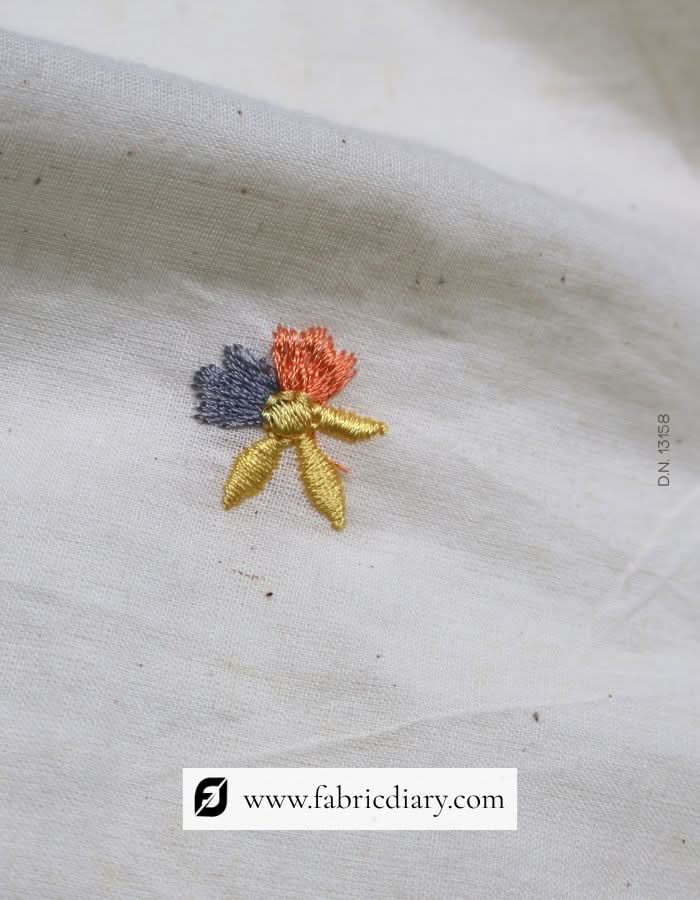
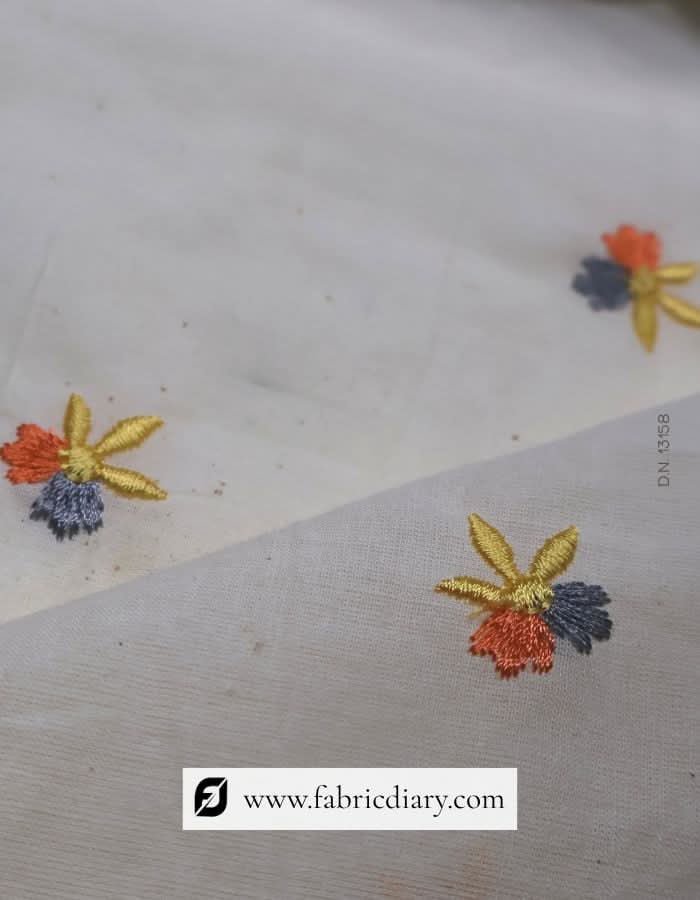
Designer Cotton Motfi / Butti Fabric #13158


Geometric Embroidered Fabric with 4 Square & 3mm Glitter Sequins #13073
- Featured
- Most relevant
- Best selling
- Alphabetically, A-Z
- Alphabetically, Z-A
- Price, low to high
- Price, high to low
- Date, old to new
- Date, new to old
Choosing embroidered fabric by material is fundamentally different from choosing it by garment or embroidery pattern.
A designer may know that a collection requires a lehenga, saree or gown. Another buyer may already know that the fabric needs to be Georgette, Net, Cotton, Velvet, Organza or Silk before deciding exactly how the embroidery should be developed.
That is where Fabric Wise Embroidery Fabric becomes useful.
Instead of starting with the finished garment, this collection starts with the base textile. The material influences how embroidery sits on the surface, how the fabric drapes, how much structure it provides, how transparent or opaque it appears, how it behaves during cutting and stitching, and ultimately where it makes commercial sense.
A lightweight embroidered Georgette, for example, serves a different sourcing purpose from embroidered Velvet. Net and Organza may both create sheer visual effects, but their surface behaviour and structural character are not identical. Cotton brings a different comfort and construction profile, while Raw Silk, Chanderi, Dola Silk and Vichitra Silk can move a collection toward more structured or heritage-led applications.
FabricDiary's material-led architecture therefore gives buyers a second way to navigate the embroidered range alongside the garment-led Uses Wise route and the embroidery-led Pattern Wise route. The broader Embroidered Fabric Collection already separates its base-fabric collections from garment and pattern collections, making this hub the natural material-sourcing layer of the architecture.
How Base Fabric Changes Embroidery Performance
Embroidery is not an independent surface added to an interchangeable textile.
The base fabric affects the final appearance and performance of the embroidered surface.
Before selecting a material, professional buyers should consider:
- Drape: how freely or firmly the fabric falls
- Surface: smooth, textured, crisp, plush, sheer or soft
- Structure: how well the fabric supports tailoring and garment construction
- Transparency: particularly important for Net, Organza, Tissue and lightweight fabrics
- Surface weight: especially when embroidery includes sequins, beads or dense threadwork
- Motif definition: how clearly embroidery reads against the base
- Movement: whether the textile needs to flow, hold shape or remain relatively stable
- End garment: the same base may behave differently in a saree, blouse, gown or jacket
- Production: cutting, stitching, finishing and inspection requirements
This is why simply asking for an "embroidered fabric" is often not enough for commercial sourcing.
A better specification starts with:
Base material → desired handle → embroidery construction → garment application → production requirement.
FabricDiary's individual material collections already reflect these differences. For example, its Georgette collection emphasizes lightweight, flowing characteristics, while the Net collection positions the material around lightweight, sheer applications such as sarees, dupattas and gowns.
Lightweight & Fluid Embroidered Fabrics
Embroidered Georgette Fabric
Georgette is particularly useful when the finished garment needs movement rather than rigid structure.
Its flowing character makes it relevant for sarees, gowns, dupattas, kurtis and other fluid silhouettes. FabricDiary's existing Georgette collection highlights lightweight drape and applications ranging from sarees and gowns to lehengas and kurtis.
For embroidery sourcing, the important question is not simply whether embroidery can be applied to Georgette. It is whether the density and decorative weight are appropriate for the intended drape.
Fine threadwork can preserve a softer fall, while sequins or heavier surface decoration can create a more pronounced visual and physical presence.
For commercial development, buyers should assess the embroidery on the actual fabric rather than judging the base and embellishment separately.
Explore Embroidered Georgette Fabric.
Embroidered Net Fabric
Net provides a very different starting point because transparency becomes part of the design.
The embroidery does not simply decorate the surface; it interacts with the background, lining and underlying garment. This makes Net particularly useful for bridalwear, gowns, dupattas, overlays and layered fashion.
FabricDiary's current Net collection specifically positions embroidered Net for sarees, dupattas and designer gowns and includes thread, zari, sequins, beads and other decorative directions.
When sourcing embroidered Net, buyers should evaluate:
- transparency
- embroidery density
- motif spacing
- support from lining or underlying fabric
- edge and border treatment
- resistance to snagging during production
Explore Embroidered Net Fabric.
Natural, Comfortable & Structured Bases
Embroidered Cotton Fabric
Cotton changes the sourcing equation because comfort, breathability and everyday practicality become more important.
Embroidered Cotton can serve ethnicwear, contemporary casualwear, kurtis, dresses and warm-climate fashion where a decorative surface is required without relying entirely on luxury or sheer fabrics.
The commercial opportunity is particularly broad because cotton can support both subtle embroidery and stronger decorative programs.
For manufacturers, the key consideration is matching embroidery density with the intended weight and handle of the cotton base. A lightweight cotton intended for everyday apparel should not automatically be treated like a heavily embellished occasionwear textile.
Explore Embroidered Cotton Fabric.
Embroidered Natural Crepe Fabric
Natural Crepe brings a softer, flowing direction to material-led embroidery sourcing.
FabricDiary positions its embroidered Natural Crepe collection for couture gowns, cocktail dresses, bridalwear and ethnic outfits, making it particularly relevant when the design needs movement with a refined surface.
The sourcing priority is to preserve the intended fall while ensuring the embroidery does not overpower the base.
For premium fashion, this distinction matters: embroidery should enhance the crepe's movement rather than turn a fluid garment into a stiff surface.
Explore Embroidered Natural Crepe Fabric.
Embroidered Chanderi Fabric
Chanderi brings a lighter, traditional textile character into embroidered fabric sourcing.
It is especially relevant for sarees, dupattas, ethnic suits, festive kurtis and heritage-inspired collections. FabricDiary describes its embroidered Chanderi as lightweight and airy, with applications across ethnic and festive clothing.
For designers, the appeal is often the balance between a refined traditional base and contemporary embroidery.
Motif scale, transparency, surface shine and embroidery density should be assessed together because the base material contributes significantly to the final appearance.
Explore Embroidered Chanderi Fabric.
Luxury & Sheer Embroidered Fabrics
Embroidered Organza Fabric
Organza is useful when crispness, transparency and a more defined silhouette are part of the design requirement.
Its character makes it particularly relevant to bridal dupattas, sarees, gowns, lehengas, anarkalis and statement fashion layers. FabricDiary's existing Organza collection emphasizes its sheer, lightweight and crisp characteristics and lists applications including bridal dupattas, sarees, gowns and lehengas.
Embroidery on Organza should be evaluated according to the desired structure.
A light decorative treatment can retain an airy appearance, while dense embellishment can create a more substantial couture surface.
Explore Embroidered Organza Fabric.
Embroidered Tissue Fabric
Tissue is selected when luminosity and a dressed-up surface are part of the design direction.
Its visual character makes embroidered Tissue relevant to sarees, dupattas, bridalwear and festive ethnic collections. FabricDiary's collection specifically highlights its lightweight, elegant appearance and decorative options including zari, sequins, resham, beads and mirror work.
For sourcing, the important consideration is balance.
A luminous base combined with dense embroidery can become visually dominant, whereas a controlled motif can allow the underlying surface character to remain visible.
Explore Embroidered Tissue Fabric.
Silk-Based Embroidered Fabrics
Embroidered Raw Silk Fabric
Raw Silk is a strong material choice when the finished garment needs a richer, more substantial textile presence.
FabricDiary's existing collection positions embroidered Raw Silk for sherwanis, lehengas, bridalwear, festive suits, kurtis and other premium applications.
Compared with lightweight bases, Raw Silk can provide a stronger foundation for elaborate embroidery.
This makes it particularly relevant when the embroidery is intended to become a major part of the garment's visual identity.
For production, buyers should evaluate the relationship between fabric body, embroidery density and tailoring. The fabric needs to support the finished garment without allowing the decorative surface to compromise construction.
Explore Embroidered Raw Silk Fabric.
Embroidered Dola Silk, Malai Satin & Vichitra Silk
These materials serve a different segment of the embroidered market where surface character, sheen, drape and occasionwear positioning are important.
Embroidered Dola Silk can work particularly well in saree and ethnicwear development. FabricDiary's product range includes embroidered Dola Silk with allover Schiffli construction, showing how the material can be combined with detailed surface embroidery.
Malai Satin is more useful where a smooth, soft and fluid surface is part of the design requirement. Its suitability should be assessed against the embroidery density and the intended garment silhouette.
Vichitra Silk is valuable where the fabric itself needs to contribute visual texture and a richer traditional-fashion character.
For all three, buyers should evaluate surface, fall, embroidery weight and finished-garment appearance together rather than choosing only on the name of the base fabric.
Explore:
Textured & Woven Embroidered Fabrics
Embroidered Velvet Fabric
Velvet introduces pile and plush surface character into the embroidery equation.
It is naturally suited to luxury and winter-oriented fashion, including bridalwear, jackets, gowns, sherwanis and ceremonial garments. FabricDiary's current Velvet collection includes embroidered velvet with zari, sequins and other decorative treatments and positions it toward premium fashion applications.
Because Velvet already has a strong surface identity, embroidery needs to complement rather than fight the pile.
Dense metallic or sequin work can create a dramatic luxury result, while controlled threadwork can retain more of the fabric's tactile character.
For manufacturers, cutting direction, surface appearance and consistent handling should be considered during sampling.
Explore Embroidered Velvet Fabric.
Embroidered Jacquard Fabric
Jacquard is different because the base fabric already contains a woven pattern or texture.
Embroidery is therefore being developed over an existing structural and visual surface rather than a completely plain ground.
This creates opportunities for rich fashion fabrics, bridalwear, jackets, abayas, kaftans, sherwanis and other structured garments.
FabricDiary's current embroidered Jacquard range includes ornate tissue-Jacquard and daman-oriented constructions, while its broader Jacquard architecture distinguishes embroidered Jacquard from printed and position-print Jacquard.
The sourcing question becomes:
Does the embroidery enhance the woven pattern, or does the combination become visually overcrowded?
That should be answered through actual sampling.
Explore Embroidered Jacquard Fabric.
Lightweight Draped & Contemporary Embroidered Fabric
Embroidered Chinon Fabric
Chinon is useful when the design requires a lightweight, flowing fashion base with an elegant surface.
It can be considered for sarees, dupattas, gowns, festive dresses and other fluid silhouettes, depending on the exact construction and embroidery applied.
For sourcing, the important point is to evaluate the actual Chinon construction, because fabric composition, finish and embroidery density can change its behaviour considerably.
This is especially important when developing repeat collections where the same embroidery needs to maintain consistent appearance across multiple colours.
Explore Embroidered Chinon Fabric.
Fabric Selection Guide for Garment Manufacturers
Material selection should begin with the garment requirement, but it should not end there.
A manufacturer should translate the garment brief into a textile specification.
| Requirement | What to evaluate |
|---|---|
| Flowing silhouette | Drape and surface weight |
| Structured garment | Fabric body and stability |
| Sheer garment | Transparency and embroidery density |
| Bridal garment | Surface richness and decorative weight |
| Everyday ethnicwear | Comfort, durability and repeatability |
| Tailored menswear | Stability, cutting and seam behaviour |
| Luxury eveningwear | Fall, surface and visual finish |
| Heavy embroidery | Base support and total surface weight |
| Border-led design | Edge stability and placement |
| Panel construction | Motif scale and repeat |
A useful sourcing principle is:
The more decorative the embroidery becomes, the more important the base-fabric evaluation becomes.
This is why sample approval should include the embroidered textile—not simply a fabric swatch and separate embroidery reference.
What to Check Before Ordering Embroidered Fabric
Before moving from development to production, buyers should establish a clear material specification.
Fabric specification
Confirm:
- base material
- width
- approximate weight where relevant
- handle and drape
- transparency
- surface finish
- colour/shade
- embroidery area
Embroidery specification
Confirm:
- embroidery technique
- thread type
- sequin/bead/stone components where applicable
- motif scale
- repeat
- density
- border or placement requirements
- colour coordination
Production specification
Confirm:
- sample requirement
- approved reference
- quantity
- colour variations
- finishing
- inspection expectations
- packing
- delivery requirement
The exact specification should always be adapted to the material.
For example, transparency is a major consideration for Net and Organza, while surface interaction is much more important for Velvet and woven texture becomes particularly relevant for Jacquard.
Sampling, QC & Bulk Production
For commercial buyers, the first sample is not simply a colour check.
It is an opportunity to establish whether the material + embroidery combination can survive the complete production process.
A practical workflow is:
Material selection → embroidery development → sample → garment trial → approval → bulk production → inspection → finishing → packing
The garment trial matters because the fabric may behave differently after cutting and stitching.
A heavy embroidered surface can influence drape. A sheer base may require lining. A textured base may change how motifs appear. A border may need precise placement. A soft fabric may require different handling from a structured textile.
For repeat orders, the approved sample should become the production reference.
Quality checks can then focus on:
- base-fabric consistency
- width
- shade
- embroidery coverage
- motif repeat
- missing or damaged embroidery
- surface defects
- finishing
- packing condition
This approach is more reliable than evaluating every order only by visual similarity.
Explore Embroidered Fabric by Material, Garment or Pattern
FabricDiary's embroidered-fabric architecture is designed around three different sourcing questions.
Fabric Wise is for buyers who know the base material they want.
Uses Wise is for buyers who know the garment they are producing.
Pattern Wise is for buyers who know the embroidery or decorative construction they want.
The broader Embroidered Fabric Collection remains the master category.
If the garment is already defined, move to Uses Wise Embroidery Fabric.
If the decorative treatment is the starting point, move to Pattern Wise Fabric.
If the base material is already decided, this Fabric Wise collection is the appropriate starting point.
This separation prevents the three hubs from competing for exactly the same search intent while allowing them to support one another through contextual internal links.
FAQs
What is Fabric Wise Embroidery Fabric?
Fabric Wise Embroidery Fabric is a material-led collection structure where buyers begin with the base textile—such as Georgette, Net, Cotton, Velvet, Organza, Silk, Chanderi or Jacquard—and then evaluate suitable embroidered constructions.
Why does the base fabric matter for embroidery?
The base determines how the embroidered surface behaves. Drape, structure, transparency, texture, surface weight and garment construction can all change according to the underlying material.
Which embroidered fabric is best for a flowing garment?
Lightweight, draped materials such as Georgette, suitable Crepe constructions or lightweight embroidered Chinon can be considered for flowing garments. The final choice depends on embroidery density and the intended silhouette.
Which embroidered fabrics are suitable for sheer garments?
Net, Organza and Tissue can be considered where transparency or a lightweight visual effect is required. The embroidery density and lining arrangement should be evaluated before production.
Is embroidered Velvet suitable for bridal and luxury garments?
Yes. Embroidered Velvet is particularly relevant to luxury, ceremonial and winter-oriented fashion, including bridal garments, jackets and sherwanis. Its plush surface should be considered when selecting embroidery density.
What is the difference between Fabric Wise and Uses Wise Embroidery Fabric?
Fabric Wise starts with the base material, while Uses Wise starts with the finished garment. A buyer searching specifically for embroidered Raw Silk would use Fabric Wise; a buyer developing a sherwani would start with Uses Wise.
What is the difference between Fabric Wise and Pattern Wise Fabric?
Fabric Wise begins with the material, such as Georgette or Velvet. Pattern Wise begins with the embroidery construction, such as Allover, Sequins, Mirror Work, Butti, Butta or Beaded embroidery.
Should embroidered fabric be sampled before bulk production?
Yes. A physical sample allows the buyer to evaluate the material, embroidery density, drape, motif appearance, garment behaviour and finishing before approving larger production.
Choosing the Right Base Fabric for the Finished Product
There is no single embroidered base fabric that is universally better than another.
Georgette is valuable when movement matters. Net and Organza provide sheer design possibilities. Cotton brings comfort and commercial versatility. Velvet contributes depth and plushness. Chanderi offers a lighter heritage character. Raw Silk provides a richer, more substantial foundation. Jacquard introduces woven texture before embroidery is even considered.
The right choice is therefore determined by the relationship between:
material + embroidery + garment + production objective.
For a professional buyer, that relationship is more useful than selecting fabric solely by appearance.
FabricDiary's Fabric Wise Embroidery Fabric collection provides the material-first route for that decision, while the Uses Wise and Pattern Wise hubs provide complementary garment-first and embroidery-first routes.
That creates a practical sourcing path:
Choose the material → define the embroidery → test the garment → approve the sample → move into production.
- Embroidered Georgette Fabric
- Embroidered Net Fabric
- Embroidered Cotton Fabric
- Embroidered Velvet Fabric
- Embroidered Organza Fabric
- Embroidered Tissue Fabric
- Embroidered Natural Crepe Fabric
- Embroidered Chanderi Fabric
- Embroidered Raw Silk Fabric
- Embroidered Dola Silk Fabric
- Embroidered Malai Satin Fabric
- Embroidered Vichitra Silk Fabric
- Embroidered Jacquard Fabric
- Embroidered Chinon Fabric
Master: Embroidered Fabric
Garment-led: Uses Wise Embroidery Fabric
Pattern-led: Pattern Wise Fabric
FabricDiary Global B2B Sourcing Desk
Direct textile manufacturing facility supplying premium fabrics to Apparel Buying Houses, Fashion Merchandisers, Garment Exporters, and Boutique Labels across North America, Europe, the Middle East, and Africa.
Ready Stock MOQ
1 Meter (Immediate Dispatch)
Custom Production MOQ
30 Mtr (Dyes/Prints) | 300 Pcs (Patches)
Trims & Laces MOQ
Standard 9-Meter Rolls
Trade & Shipping Terms
FOB, CIF, DDP Air/Sea Freight
Read More about Fabric Wise