
By Pattern/Occasion


Multi Abstract Poly Linen Print [Shirts & Western Use] SPAO-7750-18017


Ancient Printed Poly Linen Fabric [Designer Use] SPAO-7750-17277


Festive Poly Linen Cotton Fabric [Printed Shirts Use] SPAO-7750-17112-A
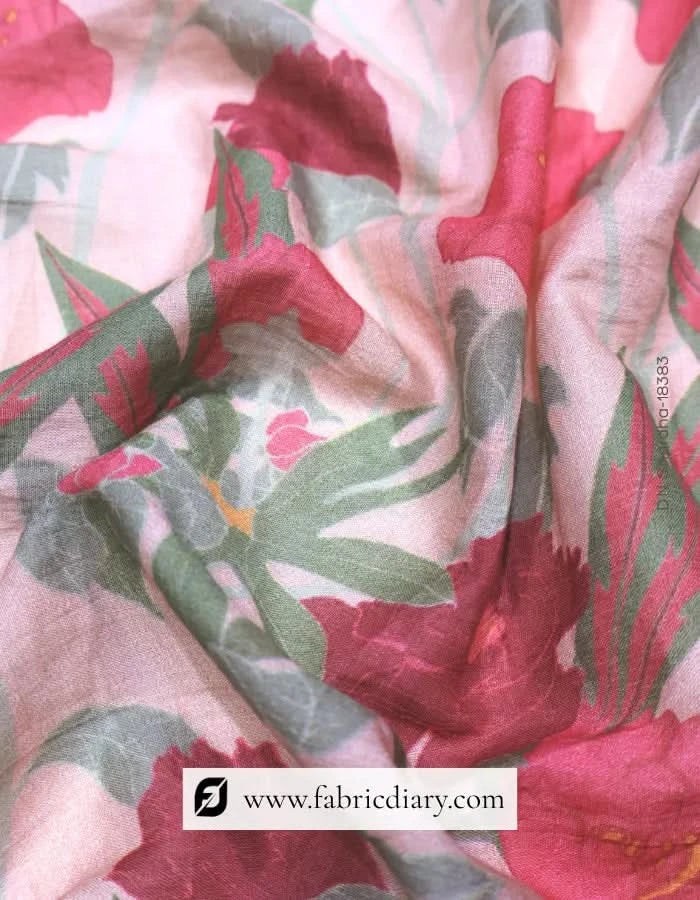
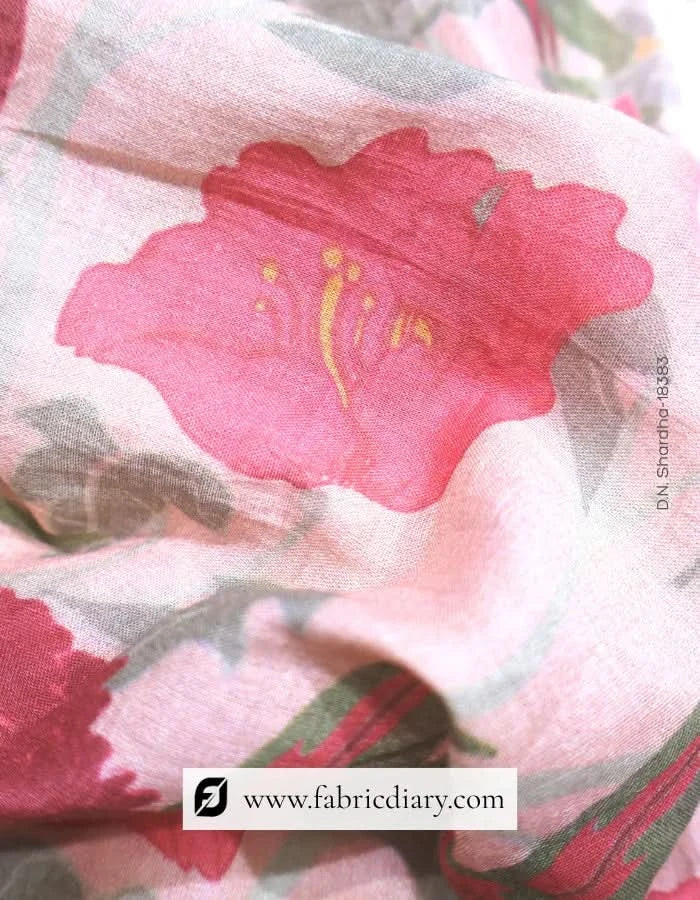
Digital Printed Apparel Cotton Fabric for Women's Clothing
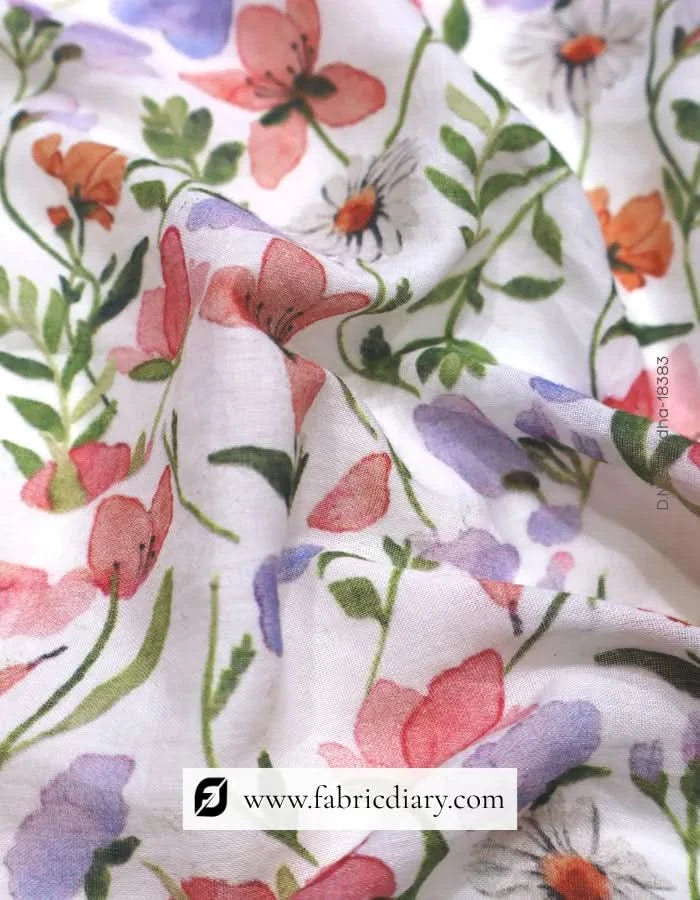
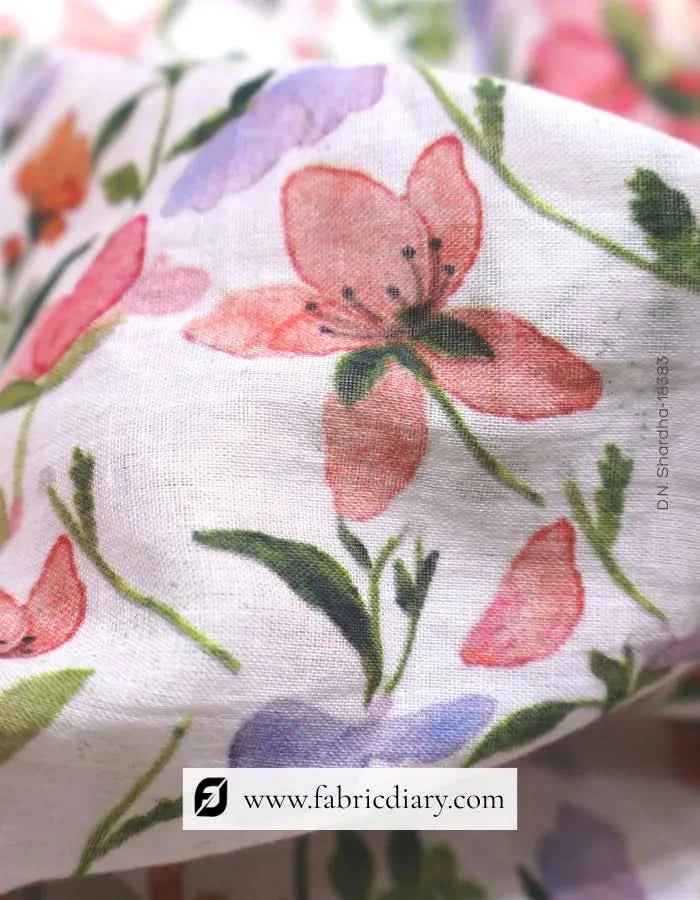
Premium Cotton Fabric for Fashion Labels & Boutiques
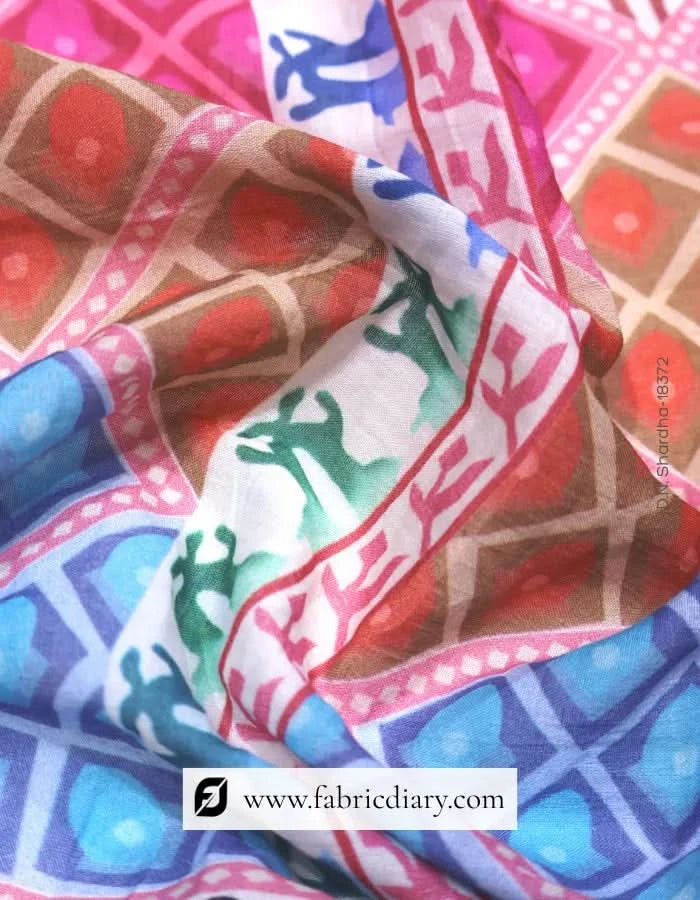
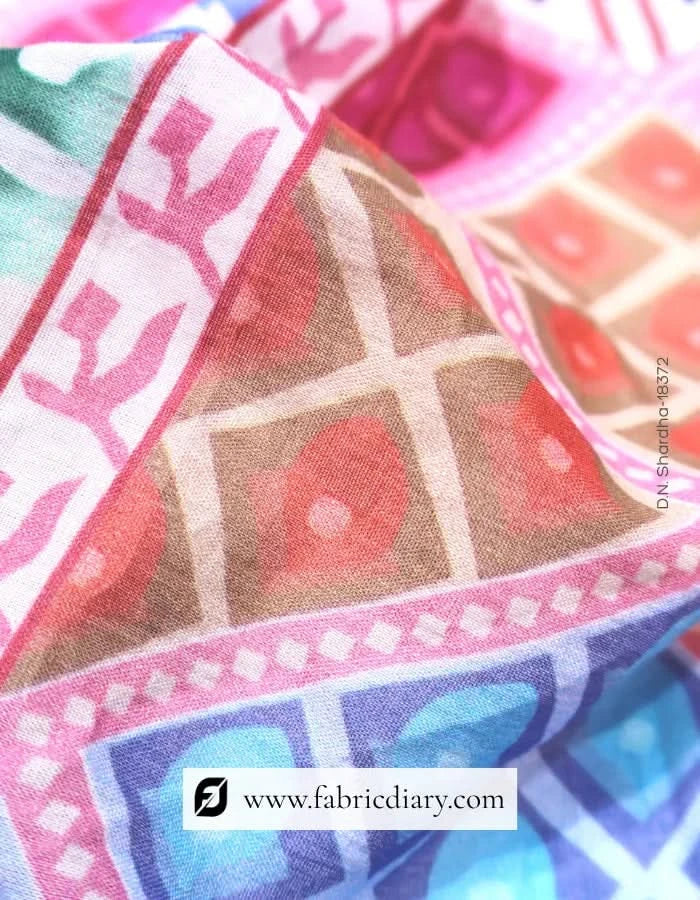
Cotton Fabric by Yard for Dresses, Tunics & Co-Ord Sets
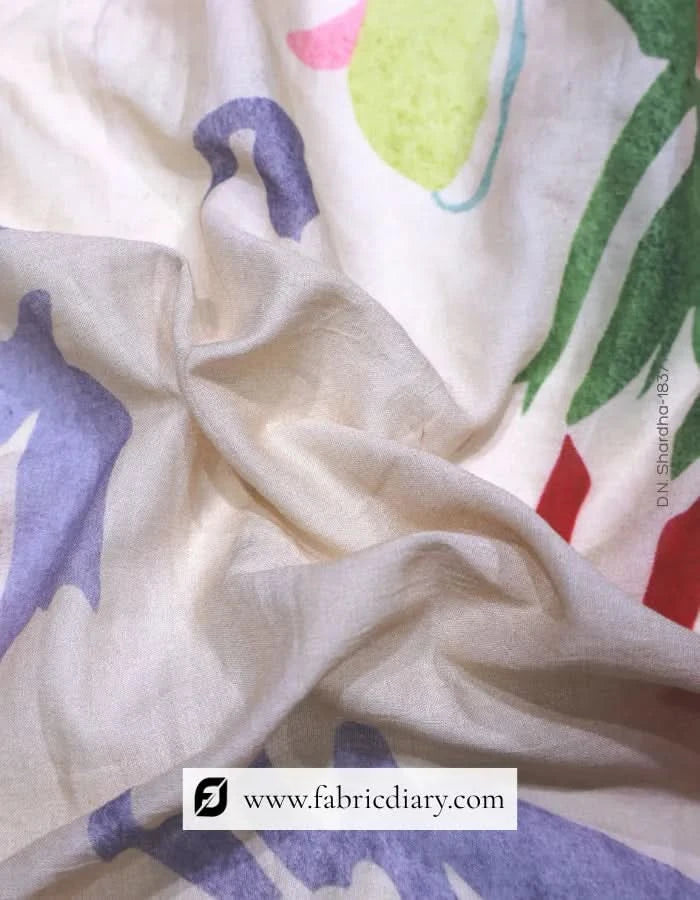
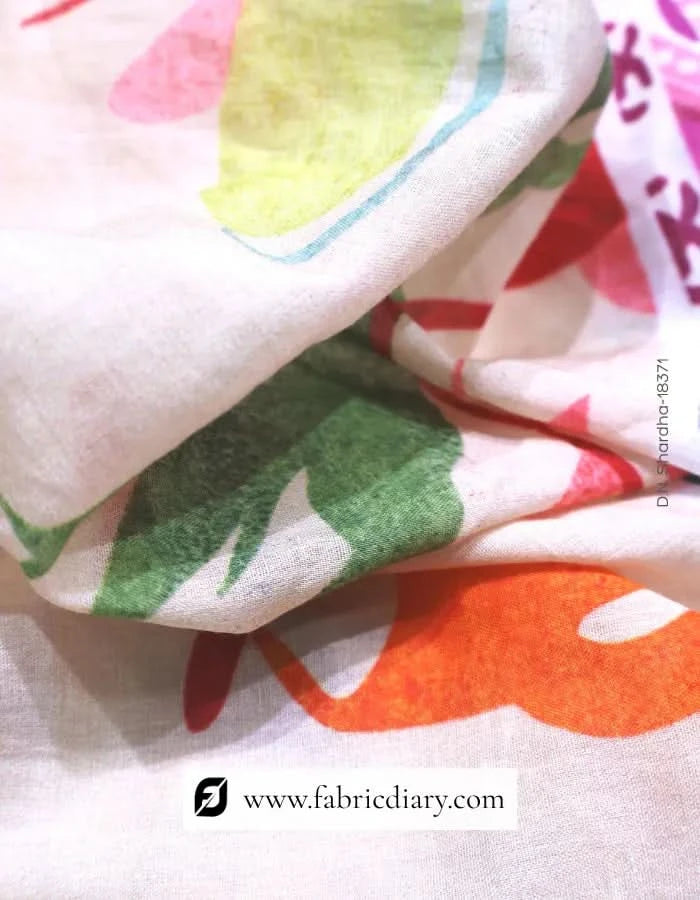
Premium Digital Print Cotton Fabric for Contemporary Wear
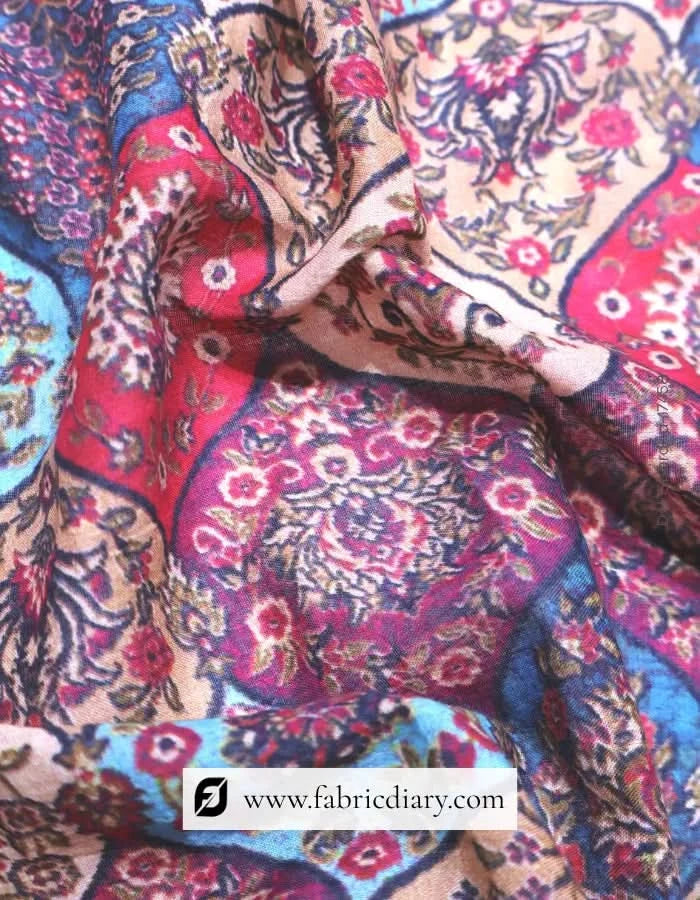
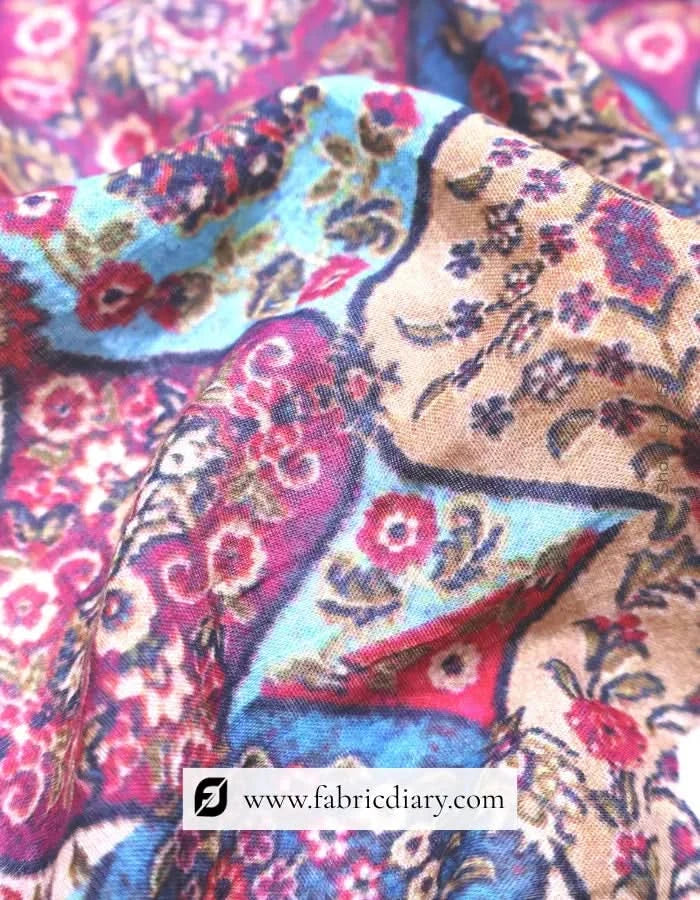
Digital Print Cotton Fabric by Yard for Fashion Apparel
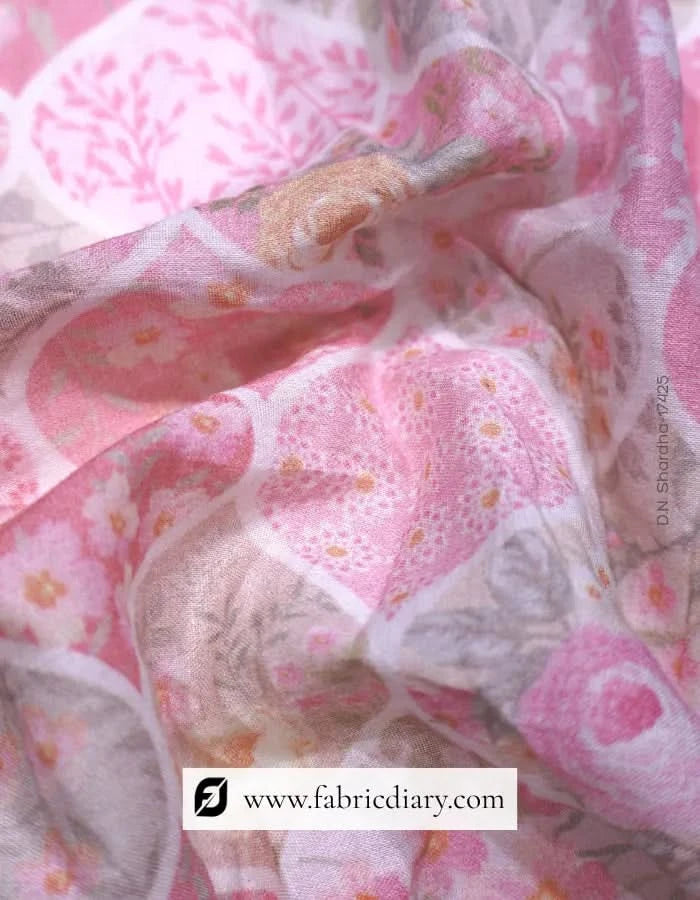
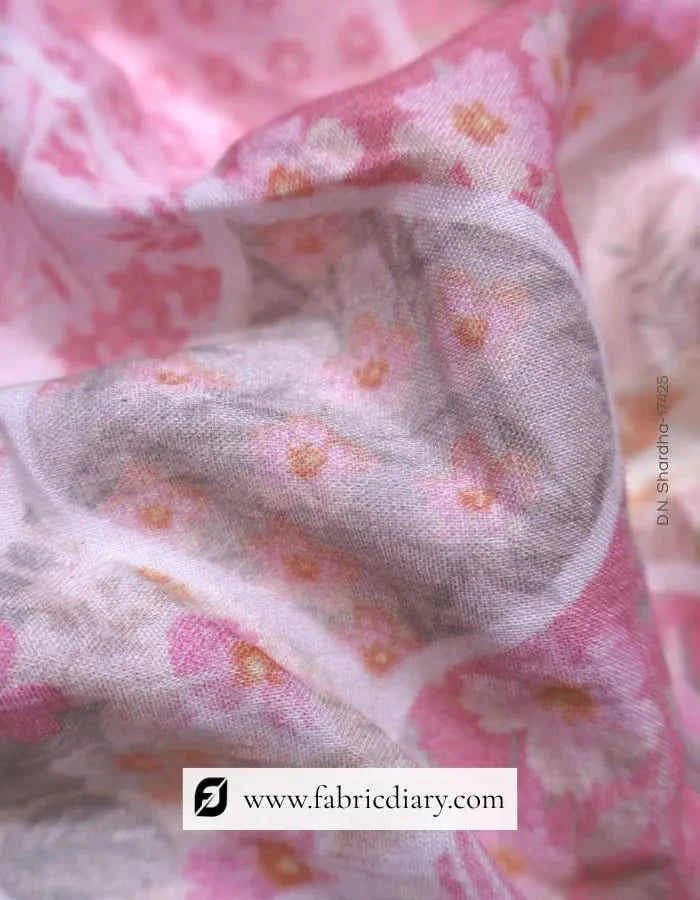
Soft Printed Cotton Fabric for Dresses, Kurtis & Co-Ord Sets


Sherwani Designer Daman Embroidery Fabric Material - 14090-A
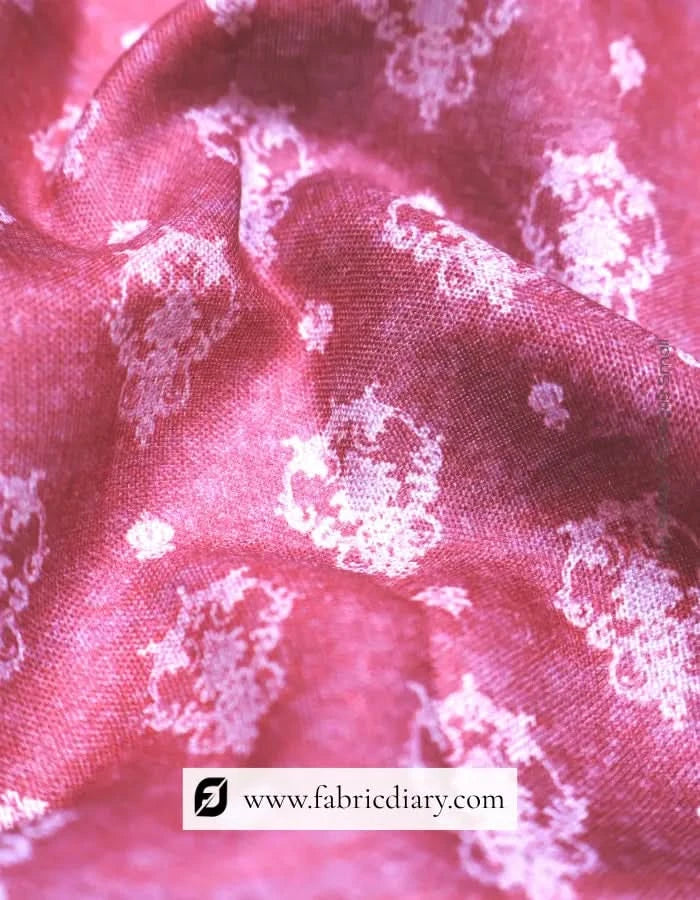
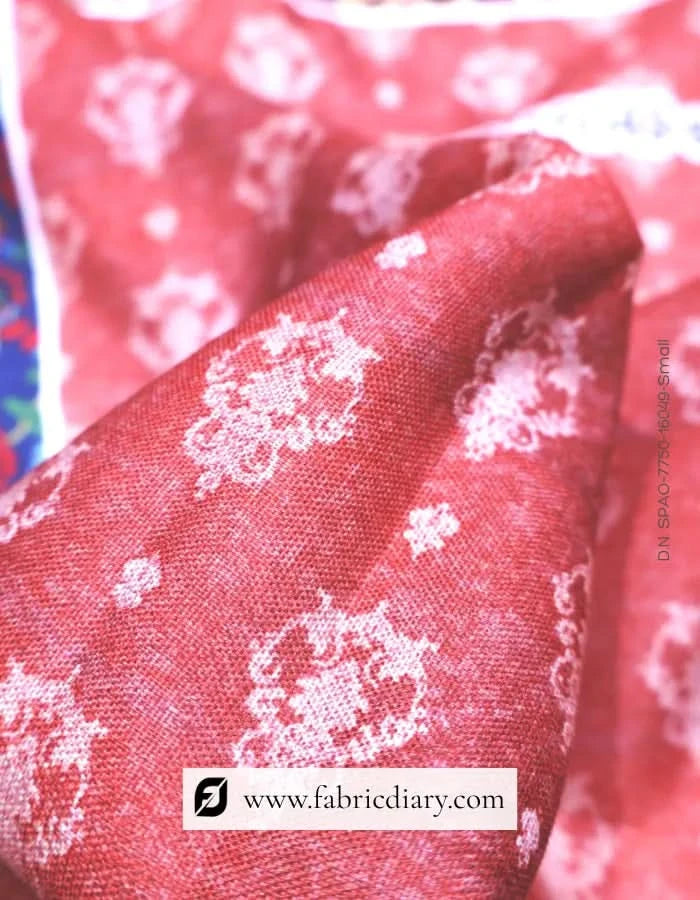
Allover Floral Printed Fabric [For Designer Dresses] SPAO-7750-16049-Small


Designer Poly Linen Cotton Fabric [Kurti & Shirt Use] SPAO-7750-17108-A
- Featured
- Most relevant
- Best selling
- Alphabetically, A-Z
- Alphabetically, Z-A
- Price, low to high
- Price, high to low
- Date, old to new
- Date, new to old
A printed fabric collection often begins with the design direction rather than the fibre. A designer may already know that the collection needs florals, geometric artwork, animal-inspired motifs or a particular occasion-led visual language before deciding which fabric base will carry the design. This is where pattern and occasion-based sourcing becomes useful.
FabricDiary's By Pattern / Occasion collection brings printed fabrics together according to the visual direction or fashion use a buyer is trying to achieve. It includes Leaf Veil Print Fabric, Floral Printed Fabric, Evening Printed Fabric, Partywear Printed Fabric, Animal Printed Fabric, Bridal Printed Fabric, Geometric Printed Fabric, Polka Dot Printed Fabric, Abstract Printed Fabric and Festival Printed Fabric.
This route is particularly useful when the buyer begins with a moodboard, collection concept, garment category or seasonal direction rather than a fixed fabric specification. The final selection can then move from the artwork requirement to the appropriate fabric base, print development method, garment application and production route.
The important sourcing principle is simple: a pattern does not determine the fabric by itself. The same visual direction can behave very differently on cotton, muslin, georgette, crepe, chiffon, satin, silk, organza, tissue, blended or synthetic-based fabrics. Print scale, surface, drape, opacity, colour behaviour and garment construction all influence whether a particular design works commercially.
Exploring Printed Fabric by Pattern and Occasion
Pattern-led sourcing helps buyers narrow a large printed textile catalogue according to the visual identity they need. It is especially relevant to designers and brands developing collections where artwork is part of the product's identity rather than simply a surface decoration.
Leaf Veil Print Fabric
Leaf-inspired artwork can range from delicate botanical arrangements to denser foliage compositions. The appropriate fabric depends on the intended garment and the scale of the artwork.
A fine leaf motif may work differently on a fluid fabric than on a more stable woven construction. For dresses, dupattas, overlays and contemporary occasionwear, buyers may evaluate the relationship between motif density, transparency, drape and surface.
The key consideration is not simply whether the fabric carries a leaf design, but whether the scale and placement of the artwork support the finished garment.
Floral Printed Fabric
Floral prints cover a particularly broad design spectrum, from small repeating florals to large statement blooms and more sophisticated botanical compositions.
They can be relevant across everyday fashion, resortwear, occasionwear, dresses, kurtis, skirts, sarees, dupattas and contemporary collections.
When sourcing floral printed fabric, buyers should consider:
-
motif scale
-
repeat size
-
colour relationships
-
fabric surface
-
drape
-
garment silhouette
-
print density
-
intended market positioning
A delicate floral on lightweight fabric can create a completely different result from the same visual direction on satin or a more structured base.
Evening Printed Fabric
Evening-oriented printed fabrics are generally selected for collections where surface appearance, colour depth, movement and overall visual sophistication are important.
Depending on the design, fabrics such as satin, crepe, georgette, chiffon, tissue or silk-based constructions may be considered. The final choice should depend on the garment rather than the occasion label alone.
For evening dresses, gowns, sarees, blouses, skirts and occasion separates, buyers may pay particular attention to:
-
surface lustre
-
drape
-
opacity
-
print definition
-
colour depth
-
fabric weight
-
finishing
A print intended for eveningwear must work under the lighting conditions and movement of the finished garment, not just look attractive as a flat fabric image.
Partywear Printed Fabric
Partywear prints often require stronger visual presence, but that does not necessarily mean heavier artwork or brighter colour.
The design may rely on contrast, scale, abstract elements, florals, geometric structures or coordinated colourways. Fabric selection then determines how the print interacts with movement, light and garment construction.
Partywear printed fabrics can be considered for:
-
Dresses
-
Gowns
-
Co-ord sets
-
Skirts
-
Blouses
-
Tunics
-
Fashion jackets
-
Contemporary ethnicwear
Where embellishment is later added, the printed base and any additional embellishment should be treated as separate processes.
Animal Printed Fabric
Animal-inspired prints include visual interpretations such as spots, stripes, skins and other nature-derived pattern directions.
The commercial application depends heavily on scale and styling. A restrained animal motif can serve contemporary fashion, while a larger or higher-contrast interpretation can become the dominant visual element of a garment.
For sourcing, buyers should evaluate repeat, colour balance, motif definition and the relationship between the print and garment silhouette.
Bridal Printed Fabric
Bridal printed fabric requires particularly careful consideration because the print must work with the construction and visual hierarchy of the finished occasion garment.
Depending on the design direction, bridal prints may be developed for:
-
Lehengas
-
Dupattas
-
Sarees
-
Blouses
-
Gowns
-
Panels
-
Occasion dresses
A bridal print does not automatically mean embroidery. A printed design remains a printed surface treatment unless another process, such as embroidery, is separately introduced.
For bridal development, buyers should consider artwork scale, placement, colour balance, fabric drape, opacity and how the print interacts with the garment's other design elements.
Geometric Printed Fabric
Geometric prints rely on structured visual relationships such as lines, grids, checks, circles, diamonds, angular forms or repeating shapes.
Compared with organic motifs, geometric artwork can make repeat accuracy particularly noticeable. Small variations in alignment may become visually obvious depending on the design.
This makes fabric stability, print development, repeat structure and garment cutting important considerations.
Geometric printed fabrics can support contemporary dresses, shirts, skirts, co-ord sets, jackets, resortwear and other fashion applications where a more structured visual language is required.
Polka Dot Printed Fabric
Polka dots are a repeat-based pattern in which spacing, scale and colour relationship strongly influence the final appearance.
Small dots can create a subtle surface effect, while larger dots become a more dominant fashion element.
For buyers, the useful questions are:
-
How large should the dot be?
-
How closely should the motifs repeat?
-
Is the colour contrast appropriate?
-
Will the pattern work with the garment silhouette?
-
Does the selected fabric provide the required drape and surface?
These decisions become especially relevant when the print is being developed for dresses, skirts, shirts, tops, children's fashion or coordinated collections.
Abstract Printed Fabric
Abstract prints provide greater freedom from conventional floral, geometric or figurative motifs.
They may involve colour fields, irregular forms, painterly elements, layered shapes or digitally developed artwork.
This makes abstract printing particularly relevant to fashion brands and designers looking for a stronger collection identity.
The fabric should support the intended visual effect. A fluid base can create movement within a painterly design, while a smoother or more stable surface may help retain sharper graphic details.
Festival Printed Fabric
Festival-oriented prints can be developed around colour, cultural design references, seasonal collections and occasion-led fashion.
The final requirement varies considerably depending on the garment and market. Festival collections may include dresses, ethnicwear, sarees, kurtis, lehengas, dupattas, shirts and contemporary fusion garments.
Rather than treating "festival" as a specific technical fabric category, FabricDiary uses it as a design and occasion-led discovery route.
The fabric, print scale, colour direction and garment application should still be evaluated independently.
How Pattern-Led Sourcing Works With Fabric Selection and Print Development
Pattern and occasion are useful starting points, but they are only one part of the sourcing decision.
Once a buyer identifies the required visual direction, the next question is which fabric can deliver the desired garment behaviour.
A useful development sequence is:
Pattern / Occasion → Garment → Fabric Selection → Artwork / Print Development → Sample → Evaluation → Approval → Production
For example, a buyer searching for floral printed fabric may ultimately require a lightweight flowing base for a dress. Another buyer searching for the same floral direction may need a more stable fabric for a coordinated set. The pattern category remains the same, but the material requirement changes.
This is why FabricDiary separates By Pattern / Occasion from By Fabric Type.
The pattern-led collection helps answer:
“What visual direction am I looking for?”
The material-led collection helps answer:
“What fabric construction do I need?”
Both routes can lead to the same final product, but they represent different starting points in the buyer journey.
Pattern Scale and Repeat
Print scale can change the appearance of a garment significantly.
Large motifs may work well on garments with sufficient surface area, while smaller repeats can provide a more continuous visual texture. Placement and cutting also become important when motifs need to align with specific garment sections.
For production programs, buyers should establish the relevant artwork scale and repeat before bulk manufacturing.
Colour and Surface Interaction
The same artwork can appear differently across fabrics because fibre composition, surface structure, lustre, absorbency and finishing influence colour perception.
A saturated design on a matte surface will not necessarily look identical on a lustrous satin or textured textile.
For this reason, colour approval should be evaluated on the actual fabric intended for production, especially for commercially important programs.
Garment Application
A print should be evaluated according to where it will eventually be used.
A design intended for a flowing gown may need different fabric characteristics from artwork developed for a shirt, structured jacket or lehenga panel.
Important considerations include:
-
drape
-
weight
-
opacity
-
surface
-
movement
-
garment structure
-
lining requirements
-
print scale
-
placement
-
cutting behaviour
The pattern category helps identify the visual direction; the garment determines whether that direction is technically appropriate.
Digital Printing for Pattern Development
Digital textile printing is particularly relevant to pattern-led fashion development because artwork can be developed and modified with flexibility during the sampling stage.
This can be useful when a buyer wants to explore:
-
multiple floral designs
-
different geometric arrangements
-
several colourways
-
alternative motif scales
-
custom artwork
-
seasonal collections
-
designer-developed patterns
-
ecommerce product concepts
-
boutique collections
A typical development path can be:
Artwork → Fabric Selection → Digital Print Development → Sample → Review → Revision → Approval → Production
The advantage here is development flexibility. It should not be interpreted as a blanket claim that digital printing produces better quality than other production methods.
Once artwork is approved and a program becomes substantial and repeatable, a larger-scale production route may become commercially appropriate depending on quantity, setup, repeat requirements and production economics.
Pattern Print, Position Print and Custom Print Are Different Routes
Pattern-led printed fabric should not be confused with every other print category.
Allover or pattern-led print generally focuses on the visual design distributed across the fabric.
Position Printed Fabric is developed for a defined area or garment placement.
Custom Print begins with a buyer's own artwork, motifs, colourways or development requirements.
These routes can overlap commercially, but they represent different sourcing intentions.
For example, a bridal collection might begin with a floral visual direction under Pattern / Occasion, then require a specific placement for a lehenga panel, which moves the development into Position Printed Fabric.
Similarly, a fashion brand may identify an abstract visual direction but decide that its final artwork needs to be exclusive. That project can move from pattern discovery into Custom Print.
Keeping these routes separate makes the Printed Fabric architecture easier to navigate and prevents the master collection from treating every print requirement as the same thing.
Printed Fabric for Different Fashion and Commercial Programs
Pattern and occasion categories are useful across different buyer types, but the selection criteria change according to the commercial role.
Fashion designers often begin with moodboards, colour stories, silhouettes and artwork references. They may need to compare several fabric bases before approving the final version.
Fashion brands generally balance visual differentiation with repeatable sourcing. A successful print needs to work as part of a wider collection and remain commercially practical.
Garment manufacturers are more likely to evaluate fabric construction, width, repeat, cutting behaviour, consistency and production suitability alongside the artwork.
Buying houses may coordinate artwork, fabric and production requirements between brands and manufacturing partners, making clear specifications particularly important.
Boutiques and emerging brands may place greater emphasis on sampling, design variety and flexible development.
Ecommerce brands can benefit from exploring multiple visual concepts before deciding which designs should enter a larger production program.
Wholesalers and importers may focus on commercially versatile patterns, dependable specifications and the potential for repeat sourcing.
The pattern category therefore helps with discovery, while the commercial program determines how the fabric should ultimately be developed and produced.
Choosing the Right Pattern / Occasion Printed Fabric
A practical sourcing approach is to start with the finished product rather than the print name alone.
1. Define the garment
Decide whether the fabric is intended for a dress, saree, lehenga, shirt, gown, skirt, dupatta, co-ord set or another application.
2. Establish the visual direction
Determine whether the collection needs floral, geometric, abstract, animal, polka-dot, botanical or occasion-led artwork.
3. Select the appropriate fabric family
Evaluate cotton, muslin, georgette, crepe, chiffon, satin, silk, organza, tissue, blended or synthetic constructions according to the garment.
4. Establish artwork scale and repeat
The motif should be evaluated in relation to the garment's dimensions and cutting plan.
5. Review colour behaviour
Where colour accuracy is commercially important, review the print on the actual fabric rather than relying only on a digital artwork preview.
6. Develop a physical sample
Sampling helps confirm the relationship between fabric, artwork, print scale, colour, drape and garment appearance.
7. Decide the production route
Flexible digital development may be useful during sampling and multi-design development. Larger-scale production may become relevant when artwork is approved and the commercial program requires substantial repeat production.
This sequence prevents a common sourcing problem: selecting a visually attractive print without first checking whether the underlying fabric works for the intended garment.
Quality Considerations for Pattern and Occasion Prints
Quality assessment should cover both the textile and the artwork.
Depending on the product, buyers may evaluate:
-
fabric composition
-
construction
-
width
-
GSM where relevant
-
surface
-
hand feel
-
drape
-
opacity
-
print clarity
-
colour consistency
-
motif definition
-
repeat accuracy
-
placement accuracy where applicable
-
finishing
-
sample-to-production consistency
There is no single quality checklist that applies identically to every printed fabric. Requirements should be established according to the actual material, artwork, garment and commercial program.
For large production, the approved sample and artwork specification become particularly important because consistency must be evaluated against an agreed reference rather than subjective visual preference alone.
Pattern / Occasion Printed Fabric for Wholesale and International Sourcing
Pattern-led sourcing is relevant to both flexible fashion development and larger B2B programs.
For designers, boutiques and smaller brands, the collection can serve as a discovery point for exploring visual directions across different fabric options.
For manufacturers, buying houses, wholesalers, importers, exporters and private-label programs, the process normally becomes more specification-driven. Fabric construction, artwork repeat, colour direction, width, finishing, production requirements and quality expectations need to be established before scaling.
International buyers may also have product-specific requirements related to garment application, market positioning, seasonal collections and applicable compliance expectations. These should be addressed according to the actual destination market and product rather than through generic assumptions about regions.
FabricDiary supports this broader sourcing process through its textile product ecosystem, connecting fabric selection, print development, sampling, quality control, production, bulk manufacturing and export-oriented sourcing within the wider manufacturing context of Madhav Fashion.
The purpose of this hub is therefore not to define every print style in isolation. It is to help a buyer move from visual intent → suitable fabric → print development → garment application → production strategy.
Frequently Asked Questions
1. What is By Pattern / Occasion Printed Fabric?
It is a collection route that organizes printed fabrics according to visual design direction, fashion use or occasion rather than starting with a specific fibre or fabric construction.
2. What types of printed fabrics are included in this collection?
The collection includes Leaf Veil, Floral, Evening, Partywear, Animal, Bridal, Geometric, Polka Dot, Abstract and Festival printed fabric categories.
3. Should I choose the pattern first or the fabric first?
Either approach can work. Designers often begin with visual direction, while manufacturers may begin with an established fabric construction. The final decision should connect the artwork with the required garment behaviour.
4. Can the same pattern be printed on different fabrics?
An artwork can sometimes be adapted across different fabrics, but the appearance can change because fibre composition, surface, absorbency, construction and finishing affect colour and print behaviour.
5. What is the difference between floral and botanical printed fabric?
Floral prints generally emphasize flowers as the primary visual motif, while botanical designs can include leaves, stems, foliage and broader plant-inspired elements. Actual design terminology can overlap.
6. Is bridal printed fabric the same as embroidered bridal fabric?
No. Bridal printed fabric uses a printing process for the artwork. Embroidery is a separate embellishment process and may be added independently where required.
7. Can printed fabric be used for partywear?
Yes. The suitability depends on the fabric's surface, drape, weight, opacity, print design and the requirements of the finished partywear garment.
8. Is digital printing suitable for pattern development?
Digital textile printing can be useful for developing multiple patterns, colourways, artwork variations and collection concepts, particularly during sampling and product development.
9. Does digital printing always produce better prints?
No. Print quality depends on the fabric, artwork, preparation, colour management, printing process, finishing and quality control. Digital printing is a production route, not an automatic quality ranking.
10. What is the difference between an allover print and a position print?
An allover print distributes the artwork across the fabric according to its repeat, while Position Printed Fabric is developed for a defined area or placement.
11. Can a pattern print also have embroidery?
Yes. Printing and embroidery are separate processes. Embroidery can be added as an additional embellishment after or alongside a printed textile development, subject to the product requirements.
12. Can I develop my own pattern with FabricDiary?
Custom development may be possible using buyer artwork, custom motifs, colourways, repeats or garment-specific requirements, subject to technical review of the artwork and selected fabric.
13. What should I check when selecting floral printed fabric?
Consider motif scale, repeat, colour, fabric surface, drape, opacity, garment silhouette and whether the print works at the actual scale of the finished product.
14. Is pattern-led printed fabric suitable for wholesale?
Yes. Pattern-led fabrics can support wholesale and larger manufacturing programs, with the appropriate production route depending on the approved artwork, fabric, quantity, repeat requirements and commercial objectives.
15. Can pattern printed fabrics be used for private-label collections?
Yes. Existing prints can be considered where they fit the collection, while custom development can be relevant when a private-label brand requires differentiated artwork or colourways.
16. Why is print scale important?
Print scale affects how the artwork appears across the garment. A motif that looks balanced on a small swatch may appear very different when repeated across a full dress, saree or lehenga.
17. Why should a physical sample be checked before production?
A physical sample allows the buyer to assess colour, print definition, motif scale, hand feel, drape, opacity and overall garment suitability before production is scaled.
18. Can pattern and occasion categories overlap?
Yes. A floral design can also be developed for bridal or festivalwear, for example. The categories provide different discovery routes rather than mutually exclusive technical classifications.
19. Who can source pattern-based printed fabrics?
The collection can be relevant to fashion designers, brands, garment manufacturers, buying houses, wholesalers, importers, private-label businesses, boutiques, ecommerce brands and textile sourcing companies.
20. Can FabricDiary support international sourcing for pattern-based printed fabrics?
FabricDiary operates within an India-based textile manufacturing and export environment and supports international buyers with printed textile sourcing, development and production coordination according to the specific product and commercial requirement.
A Pattern-Led Approach to Printed Fabric Sourcing
Pattern and occasion are often the first language of a fashion collection. A designer sees a floral direction, a brand develops an abstract visual identity, a bridal program requires coordinated artwork, or a seasonal collection calls for festival-oriented prints. But the artwork only becomes commercially useful when it works with the textile beneath it.
That is why pattern-led sourcing should connect visual direction with fabric behaviour.
The FabricDiary By Pattern / Occasion collection provides that discovery route, while the wider Printed Fabric ecosystem allows buyers to move deeper into material-led sourcing, blend and synthetic constructions, Position Printed Fabric, Custom Print and Farma Print.
For sampling and design development, digital textile printing can provide useful flexibility across multiple designs and colourways. Once artwork is approved, production scale, repeat requirements, fabric suitability and commercial economics determine the appropriate manufacturing route.
The objective is not simply to find a print that looks attractive on screen. It is to identify a print, fabric and garment combination that works together in actual production.
That is the role of the By Pattern / Occasion collection within FabricDiary's broader printed textile sourcing architecture.
If your starting point is artwork rather than material, our printed fabric sourcing guide explains how pattern direction, garment application and fabric selection work together.
FabricDiary Global B2B Sourcing Desk
Direct textile manufacturing facility supplying premium fabrics to Apparel Buying Houses, Fashion Merchandisers, Garment Exporters, and Boutique Labels across North America, Europe, the Middle East, and Africa.
Ready Stock MOQ
1 Meter (Immediate Dispatch)
Custom Production MOQ
30 Mtr (Dyes/Prints) | 300 Pcs (Patches)
Trims & Laces MOQ
Standard 9-Meter Rolls
Trade & Shipping Terms
FOB, CIF, DDP Air/Sea Freight
Read More about By Pattern/Occasion